Your Lungs Are More Resilient Than You Think |
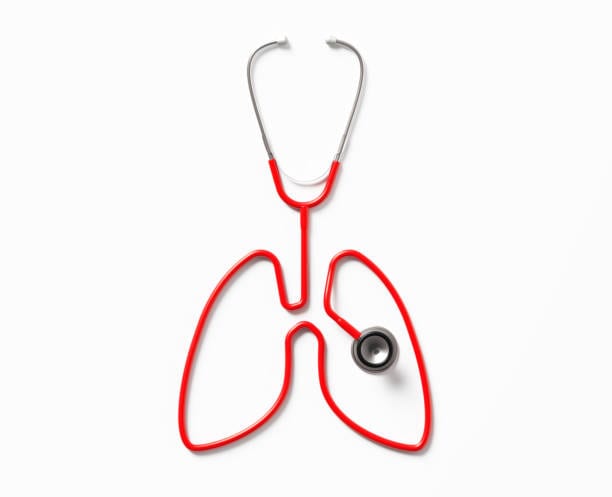
New research is helping scientists better understand what happens after people quit smoking. While some lung damage may remain, the good news is that the body begins repairing itself almost immediately, and it's never too late to benefit from quitting. |
For years, many smokers have believed one of two things.
Either their lungs will completely recover after quitting, or the damage is already done, and there's no point in stopping.
The latest research paints a far more encouraging picture.
Scientists at McGill University in Canada have discovered that while some changes caused by smoking can remain for years, quitting still allows the body to begin healing almost immediately. The findings also help explain why former smokers can still face a higher risk of certain lung diseases than people who have never smoked.
Most importantly, the research reinforces a message doctors have shared for decades:
Quitting smoking is one of the best decisions you can make for your long-term health.
What Did Scientists Discover?
Researchers examined lung tissue from current smokers, former smokers and people who had never smoked.
They found that different lung cells respond differently after someone quits.
Some healthy cells showed remarkable signs of recovery once smoking stopped, while other cells continued to carry lasting biological changes linked to previous tobacco exposure. These persistent changes may help explain why former smokers remain at an increased risk of some lung diseases compared with people who have never smoked.
The researchers emphasise that these findings do not mean quitting smoking is less beneficial.
Instead, they provide a better understanding of how the lungs respond after years of exposure to cigarette smoke.
Your Body Starts Healing Earlier Than You May Think
Although some damage caused by smoking cannot be completely reversed, the body begins responding positively within minutes of quitting.
Over the weeks, months and years that follow:
The sooner someone quits, the greater the long-term health benefits.
But medical research consistently shows that quitting at any age is better than continuing to smoke.
Some Damage Can Remain
Smoking can permanently damage the tiny air sacs in the lungs, called alveoli, where oxygen enters the bloodstream.
Once these delicate structures are destroyed, they cannot regenerate.
However, quitting smoking helps stop further damage, reduces ongoing inflammation and allows healthier lung cells to continue doing their job more effectively.
Earlier research has also shown that after people quit smoking, healthy lung cells can expand and replace some damaged cells, helping lower the risk of developing lung cancer over time. The new McGill study builds on this by showing that recovery is not the same across all types of lung cells.
What About Vaping?
This study looked specifically at people who smoked traditional cigarettes. It did not investigate people who only vape.
Current evidence suggests that completely switching from cigarettes to vaping exposes smokers to fewer harmful chemicals than continuing to smoke tobacco. However, vaping is not risk-free, and scientists are still studying its long-term effects on lung health.
Health experts agree that the healthiest option for long-term lung health is to become free of all tobacco and nicotine products whenever possible.
If you're using vaping to help you stop smoking, speak to your healthcare provider about a plan to eventually become nicotine-free.
Supporting Your Recovery
Quitting smoking is the biggest step you can take, but healthy habits can help support your body as it recovers.
These habits won't erase every effect of smoking, but they can help your lungs and the rest of your body function at their best.
The Bottom Line
The latest research doesn't change the advice doctors have given for years.
It strengthens it.
Your lungs may not return completely to the way they were before you started smoking, but your body is far more resilient than many people realise.
Every smoke-free day gives your body another opportunity to heal. The sooner you quit, the greater the benefits.
But no matter how long you've smoked, today is still one of the best days to stop. |
More from Joburg Insider

Aug 8, 2026
A Visit to Bunny Hop Haven Is Good for the Heart
Meet rescued animals, learn about responsible pet care and enjoy a family day out at one of Johannesburg's most heartwarming sanctuaries.

Aug 7, 2026
Can Shops Charge You Extra for Paying by Card in South Africa?
Here's what the rules say about card payment fees, cash discounts and your rights as a South African consumer.
Aug 6, 2026
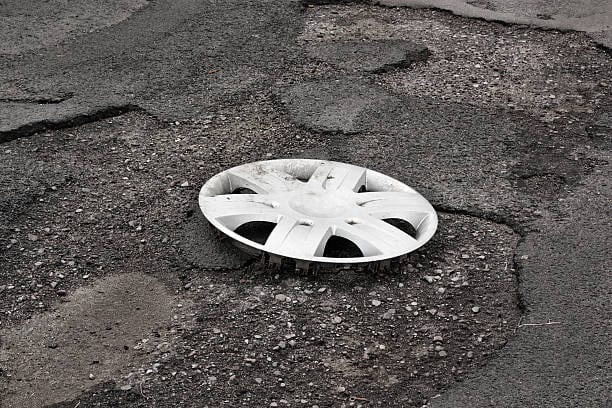
The Hidden Cost of Johannesburg's Potholes
Potholes are more than just a daily frustration. They can damage vehicles, increase repair costs and create serious safety risks. Here's why reporting potholes and maintaining Johannesburg's roads benefits every road user.
Aug 6, 2026
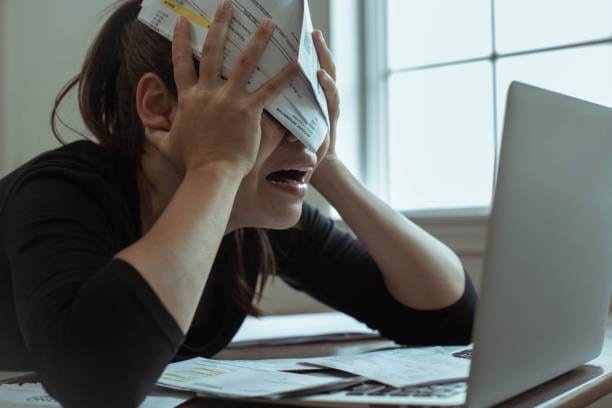
When Money Gets Tight, Risk Can Start to Look Like Opportunity
New South African research shows that many working people are turning to gambling in the hope of easing financial pressure. Experts say understanding why this happens is the first step towards making better financial decisions.
0 Comments
Join the conversation
Be the first to comment
Share your thoughts above.