
Plastic Bag Knitting: How One Riverside Entrepreneur Built a 14-Year Livelihood from Plastic |
Gugu Nkosi transforms discarded plastic bags into beautiful handmade items. For 14 years, this craft has been her business and her passion. |
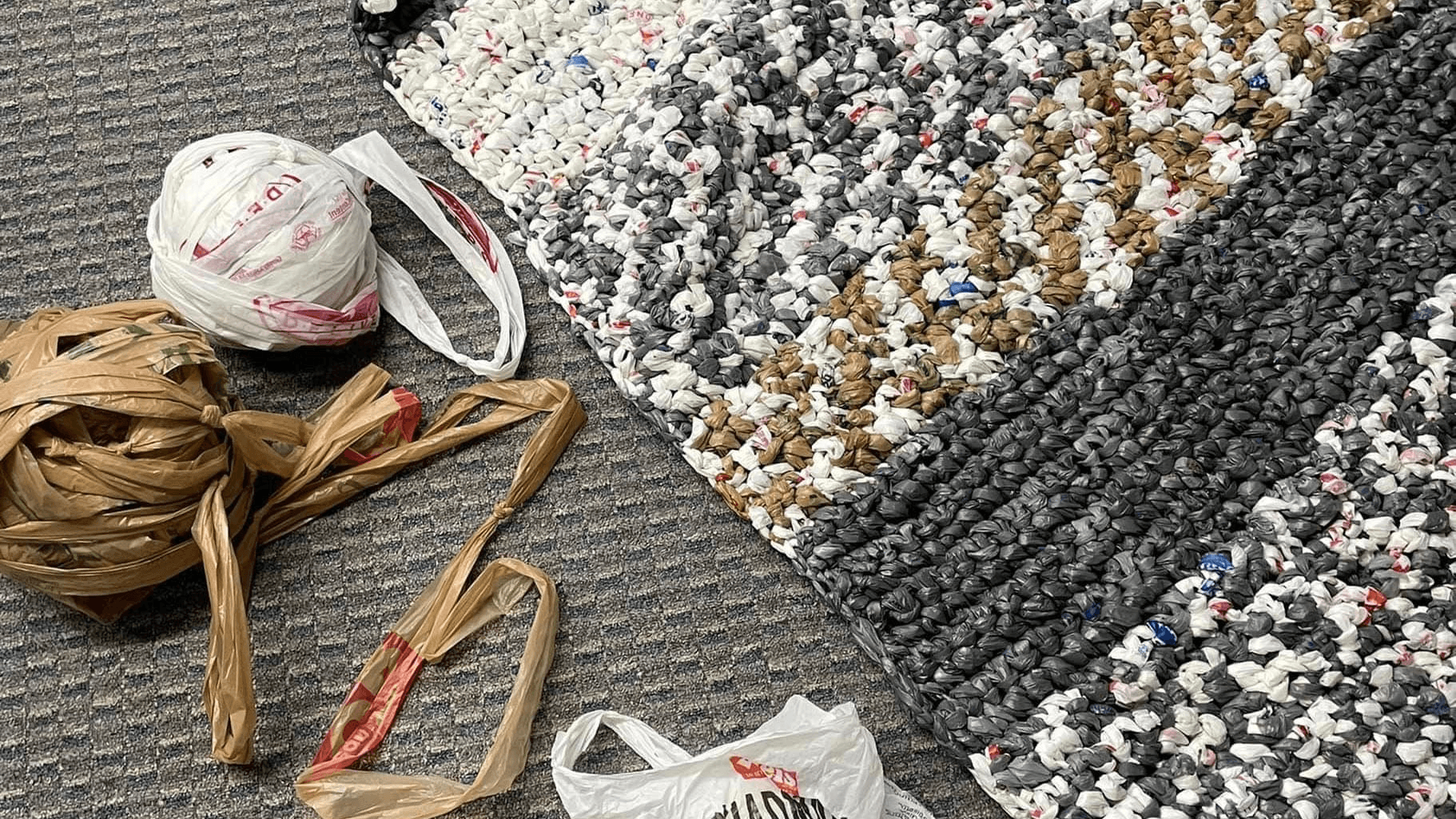
The morning commute on William Nicol slows to a crawl near the Riverside turnoff. While drivers wait for the robot to change, Gugu Nkosi collects discarded plastic bags from the roadside. She has done this for fourteen years. The forty-four-year-old entrepreneur transforms thin-film grocery bags into knitted carpets and household items. Her workshop is her home. Her tools are a pair of needles and a jar of Vaseline. From Memory to Medium
Nkosi learned to knit at her grandmother's side in Mpumalanga. They used traditional wool. When her grandmother passed away, Nkosi stopped. The needles stayed in their basket for months. She started again when she realised the rhythm of the craft was the only way to keep her grandmother close.
She moved to the Fourways area in 2012. The wool was expensive. The plastic bags were free. She cut them into strips. She rolled them into balls by colour. She applied Vaseline to stop the plastic from snagging. A passerby saw her work. The woman took ten orders to her office. That was the start. The Craft Process
The technique requires patience. Nkosi collects bags from the community. She trims them into uniform strips. She rolls them into balls. The Vaseline smooths the plastic. The needles click. The result is a carpet that looks like a textile but lasts like industrial recycling. The Reality of the Loop
South Africa produces over two million tonnes of plastic waste each year. Thin-film bags block city drains. They do not break down. Nkosi's response is practical. She takes what the city throws away and makes something useful. Her work supports an informal eco-economy. Clean plastic has value. Sorted plastic saves time. Purchased items fund independent livelihoods. How to Support the Work
Rinse and dry plastic bags before discarding. Clean plastic needs no pre-treatment. Sort by colour if donating to upcycling projects. This saves hours of preparation. Purchase finished items directly, these fund makers like Nkosi, not corporate structures. The Bottom Line
Nkosi knits even when she has no orders. She sits in her home and works. The craft connects her to her grandmother. It pays her rent. It keeps plastic out of the drains. The value is not in the raw material. It is in the patience of the person holding the needles. |
More from Joburg Insider

Sep 28, 2026
A useful conversation for parents of young readers
New classroom resources are being procured for the next school year. Here’s what to ask your child’s school and how to help at home.
Sep 28, 2026
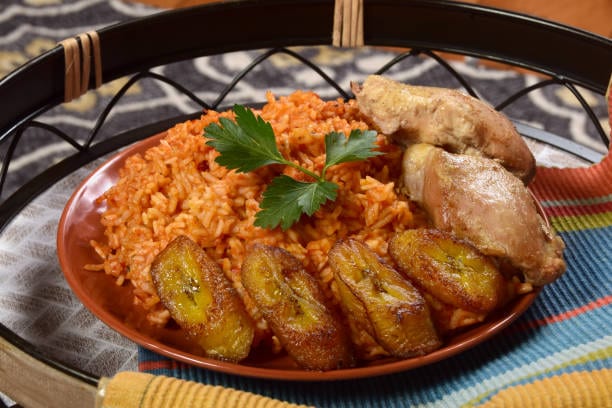
Your first taste of Nigerian food in Joburg
From jollof rice in Gallo Manor to West African dishes in Sunninghill, local menus offer an introduction to a rich food culture.
Sep 28, 2026
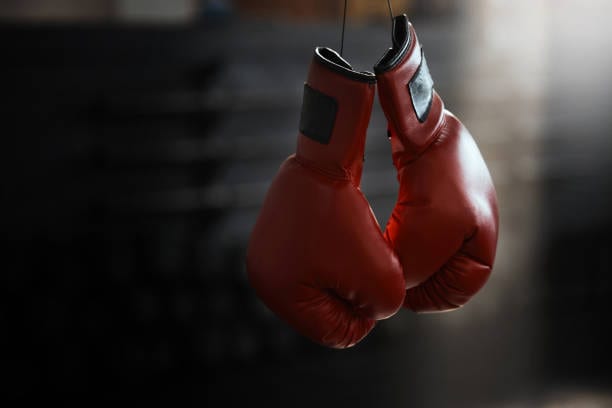
From Emperors Palace to a world title in Tokyo
After fighting his first 19 professional bouts at Emperors Palace, the “Magic Man” travelled to Japan and claimed the WBC super flyweight crown.
Sep 25, 2026
When an AI Security Test Reached Real Companies
A Google Gemini test accidentally reached three real businesses, showing why AI tools need carefully controlled access.
0 Comments
Join the conversation
Be the first to comment
Share your thoughts above.