
Why We Get Sicker in Winter |
South Africa’s winter brings higher risks of flu, RSV, and other viruses. Cold air weakens nasal immunity, while dry indoor spaces and crowding make infections spread faster. |
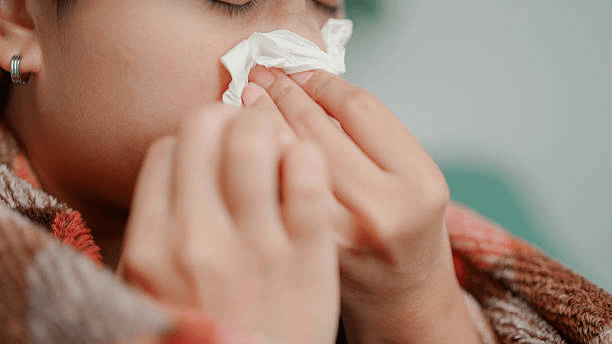
As South Africa heads deeper into the cold season, doctors warn that flu and RSV are already circulating earlier than expected. Cold air reduces the nose’s immune response, while dry indoor environments and crowded taxis or classrooms make it easier for viruses to spread. Knowing what drives winter illness, and how to protect yourself, is key to staying healthy. Why Winter Increases Risk
Common Winter Illnesses
What You Should Do
What You Should Not Do
When to See a Doctor
Seek medical attention if:
Quick Digest
The Bottom Line
South Africa’s winter viruses are already circulating earlier than usual. By combining hygiene and smart indoor habits, you can reduce your risk and protect vulnerable family members.
Cold weather may favour viruses, but informed habits favour you. |
More from Joburg Insider

Sep 22, 2026
Privacy and access meet in the matric-results appeal
The Supreme Court of Appeal will hear a challenge over publishing results by examination number, with learners’ privacy and public access at the centre of the dispute.

Sep 22, 2026
More ways to get grant help
Online applications, WhatsApp support and free office Wi-Fi offer more ways to access grant services, while personal assistance remains available.

Sep 21, 2026
A chance paddle became a bigger ambition
The Gauteng kayaker has represented South Africa overseas and is developing her coaching skills alongside her own sporting ambitions.

Sep 21, 2026
Homemade carts take over Sandton Drive
The wild unpowered go kart race returns to Sandton Drive on 20 September 2026. Teams can still apply to compete.
0 Comments
Join the conversation
Be the first to comment
Share your thoughts above.