
Breast Health: Know What to Notice and Where to Turn |
Knowing what is normal for you, getting changes checked and keeping up with appropriate screening can help you take care of your breast health. |

October is Breast Cancer Awareness Month, a useful reminder to make time for an appointment you may have been putting off.
Finding a breast change can feel frightening. Most breast lumps are not cancer, but having a new lump examined is the best way to find out what is causing it. When breast cancer is detected and treated early, treatment is more likely to succeed.
Changes worth getting checked
Be familiar with how your breasts usually look and feel. Contact a healthcare professional if you notice:
Most women diagnosed with breast cancer have no known family history of it. Men can develop breast cancer too, so breast changes should also be checked in men.
Your next step can be a simple appointment
Start with your doctor or local clinic. Explain the change when booking rather than waiting for your next routine screening. A little preparation can make the visit easier:
You do not need to decide for yourself whether a symptom is serious. CANSA advises having concerning symptoms assessed promptly by a health professional.
Feeling well? Ask about screening
A mammogram is a breast X-ray that can help detect cancer before symptoms appear.
CANSA’s screening guidance recommends:
Knowing your breasts and having a clinical examination are useful, but they do not replace mammograms. A new symptom needs assessment regardless of your age or screening schedule.
Reliable information and support
CANSA offers clinical breast examinations at participating Care Centres and can help with referrals. It does not perform mammograms; confirm services, appointments and costs before visiting.
The Bottom Line
You do not have to face a worrying change alone. Ask someone you trust to accompany you if that would help, and leave your appointment knowing the next step. Getting answers is a worthwhile act of self-care. |
More from Joburg Insider

Oct 5, 2026
Sandton Box Cart Race Results: Joburg Takes the Trophy
Joburg’s Livingroom Referees won the 2026 Red Bull Box Cart Race. Catch up on Sandton’s homemade racers, podium finishers and starting-line showmanship.
Oct 5, 2026
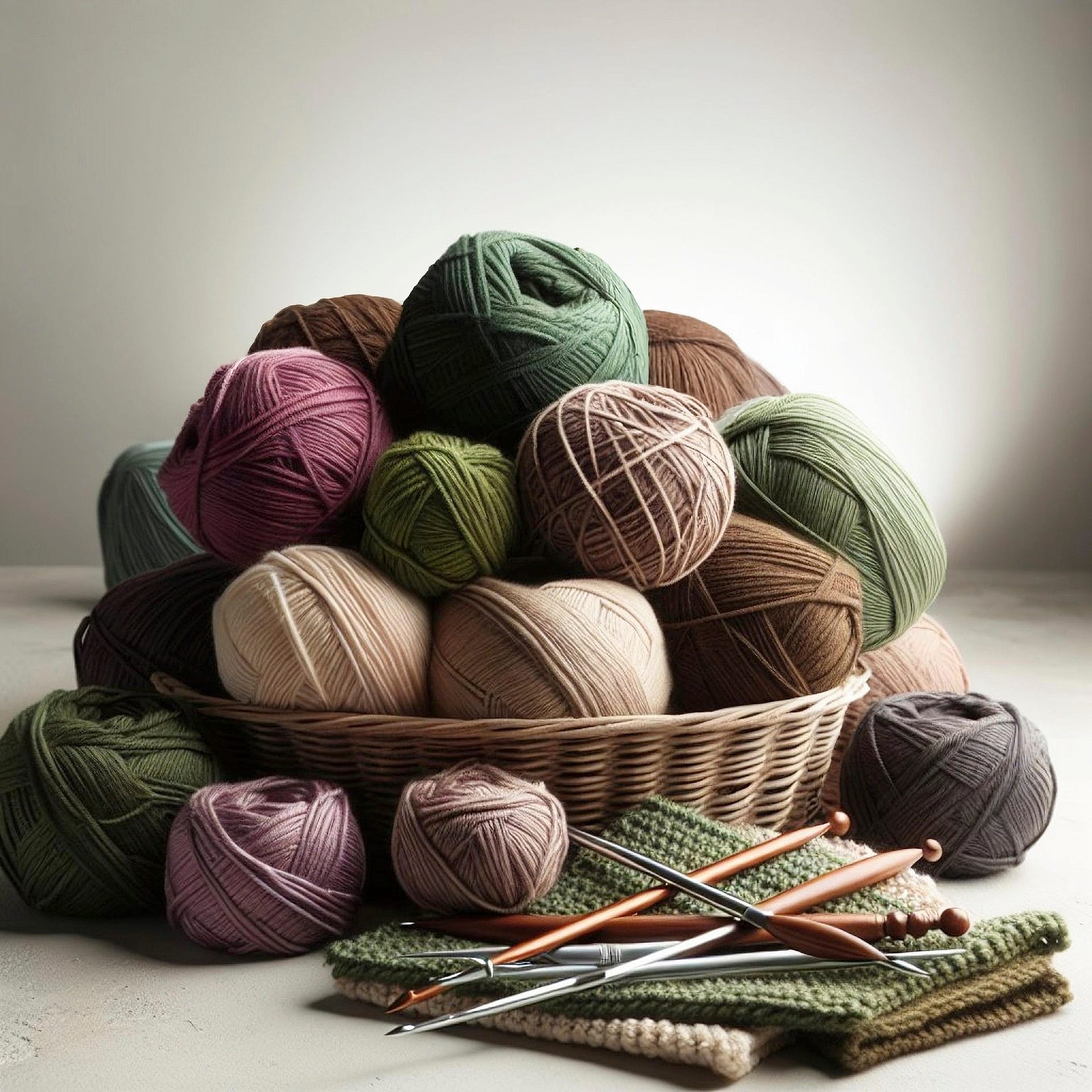
: A new hobby with something to give
Love Light Care Foundation brought women together at Norscot Manor to practise a craft, meet others and make items intended for donation.

Oct 4, 2026
The surprising science behind your dog’s sniffing
Even breathing out helps dogs gather smells. Here’s what makes those busy noses so remarkable, and why sniffing deserves time on a walk.

Oct 3, 2026
Put a little competition into your next outing
With four branches around Joburg, putt-putt offers families, friends, and couples a fun outing with something to do between conversations.
0 Comments
Join the conversation
Be the first to comment
Share your thoughts above.