
Your Dog’s Nose Knows More Than You Think |
Even breathing out helps dogs gather smells. Here’s what makes those busy noses so remarkable, and why sniffing deserves time on a walk. |
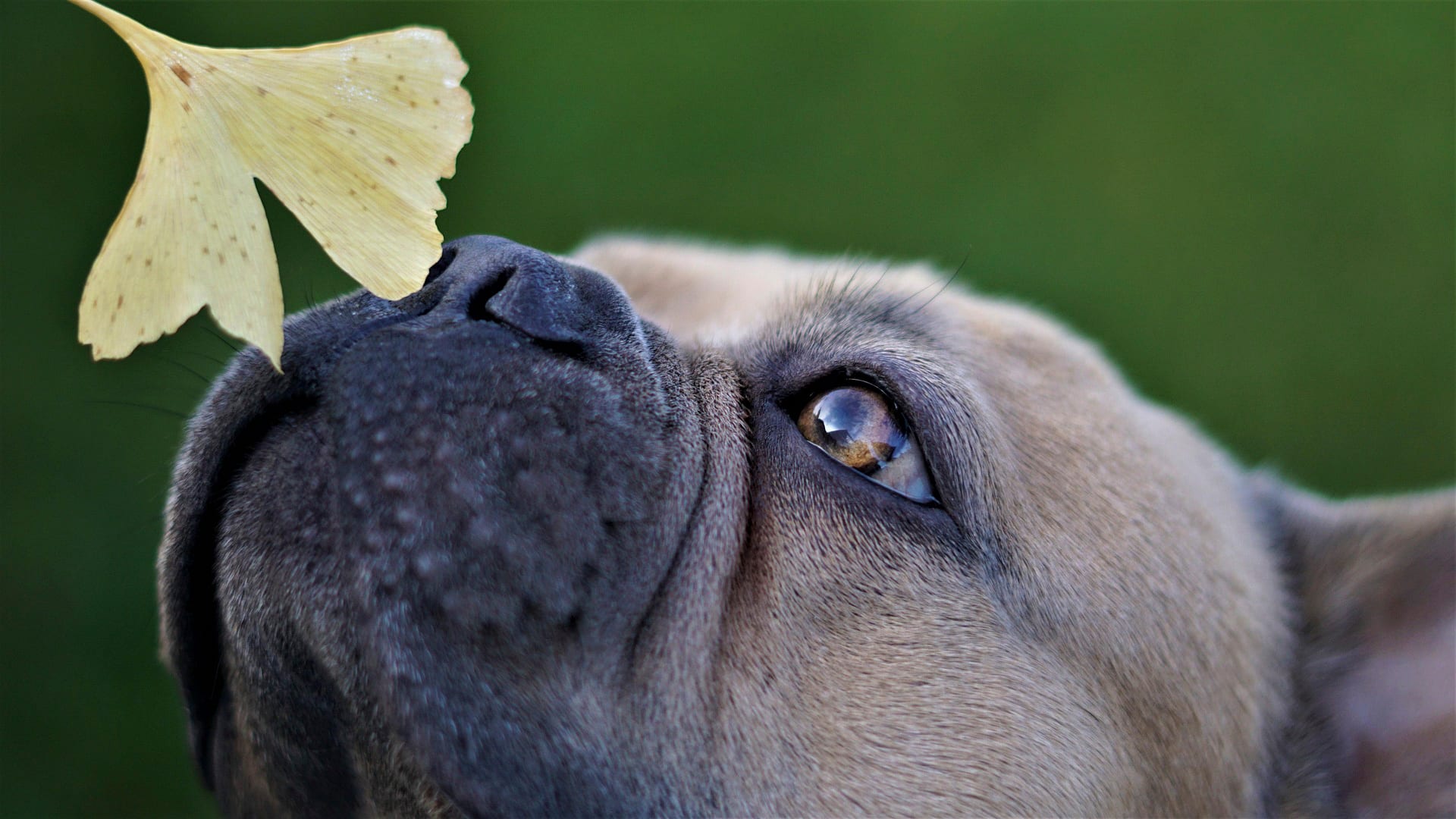
You are ready to get moving. Your dog is still inspecting the same patch of grass.
It might look like a delay, but sniffing is one of the main ways dogs explore their surroundings. And their noses work in a surprisingly clever way.
Breathing out helps them smell more
Those rapid little sniffs do more than pull air in. As a dog breathes out, air travels downward and outward from its nostrils, helping draw nearby scent-bearing air toward the nose for the next breath.
Researchers copied this action using a 3D-printed dog nose. When they fitted a commercial vapour detector with a dog-inspired attachment, its odour-detection ability improved in their tests.
The research, published in 2016, shows that part of a dog’s remarkable ability comes from how it moves the air around its nose.
Three more things their noses can do
Give that nose something to do
On your next walk, allow a few unhurried stops at safe spots. Where practical, let your dog choose a direction or explore a different route. Cornell’s veterinary guidance recommends these simple ways to make walks more rewarding, including for older dogs who cannot manage long distances.
At home, try a “find it” game. Let your dog watch you place a few pieces of their usual food in easy-to-reach spots, then let them search. Gradually make it harder, supervise and use part of their daily food allowance.
The Bottom Line
A walk gives your dog something to investigate and somewhere to exercise. Next time that nose finds an interesting spot, give it a moment if it is safe. There is plenty happening that you cannot smell. |
More from Joburg Insider
Oct 3, 2026
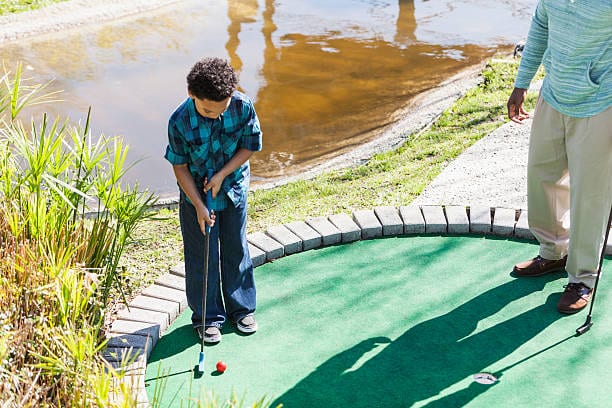
Put a little competition into your next outing
With four branches around Joburg, putt-putt offers families, friends, and couples a fun outing with something to do between conversations.
Oct 2, 2026
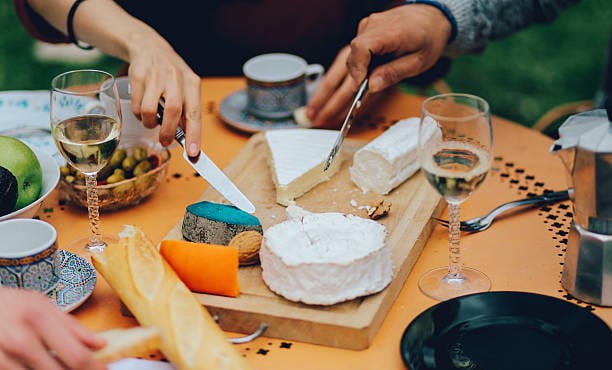
A French-flavoured Saturday in Riverclub
French Food and Books at Riverclub’s Saturday Market
Oct 2, 2026
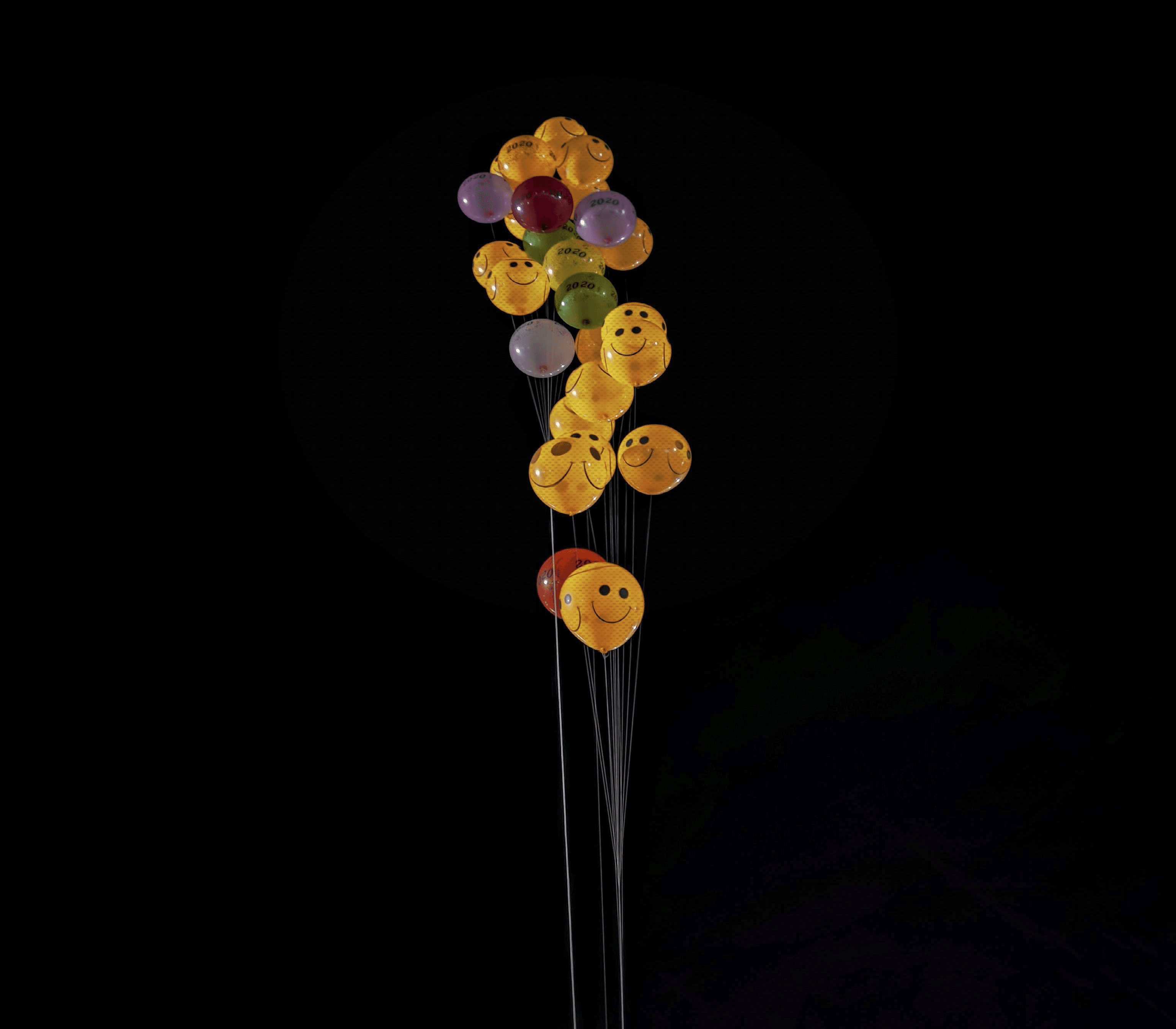
Spoegwolf, Demi Lee Moore and Kurt Darren Head to Benoni
Glimlag Fees brings Afrikaans music, food stalls and family entertainment to Benoni Northerns on Saturday.
Oct 2, 2026
Art, young talent and a collector’s perspective
Student work shares exhibition space with established artists, while talks and a guided walk offer ways to get more from the experience.
0 Comments
Join the conversation
Be the first to comment
Share your thoughts above.