
Gauteng’s Malaria Warning: Prepare Before You Travel |
Cases diagnosed in Gauteng are mostly linked to travel. Check your destination’s risk before you leave, and take symptoms seriously when you return home. |
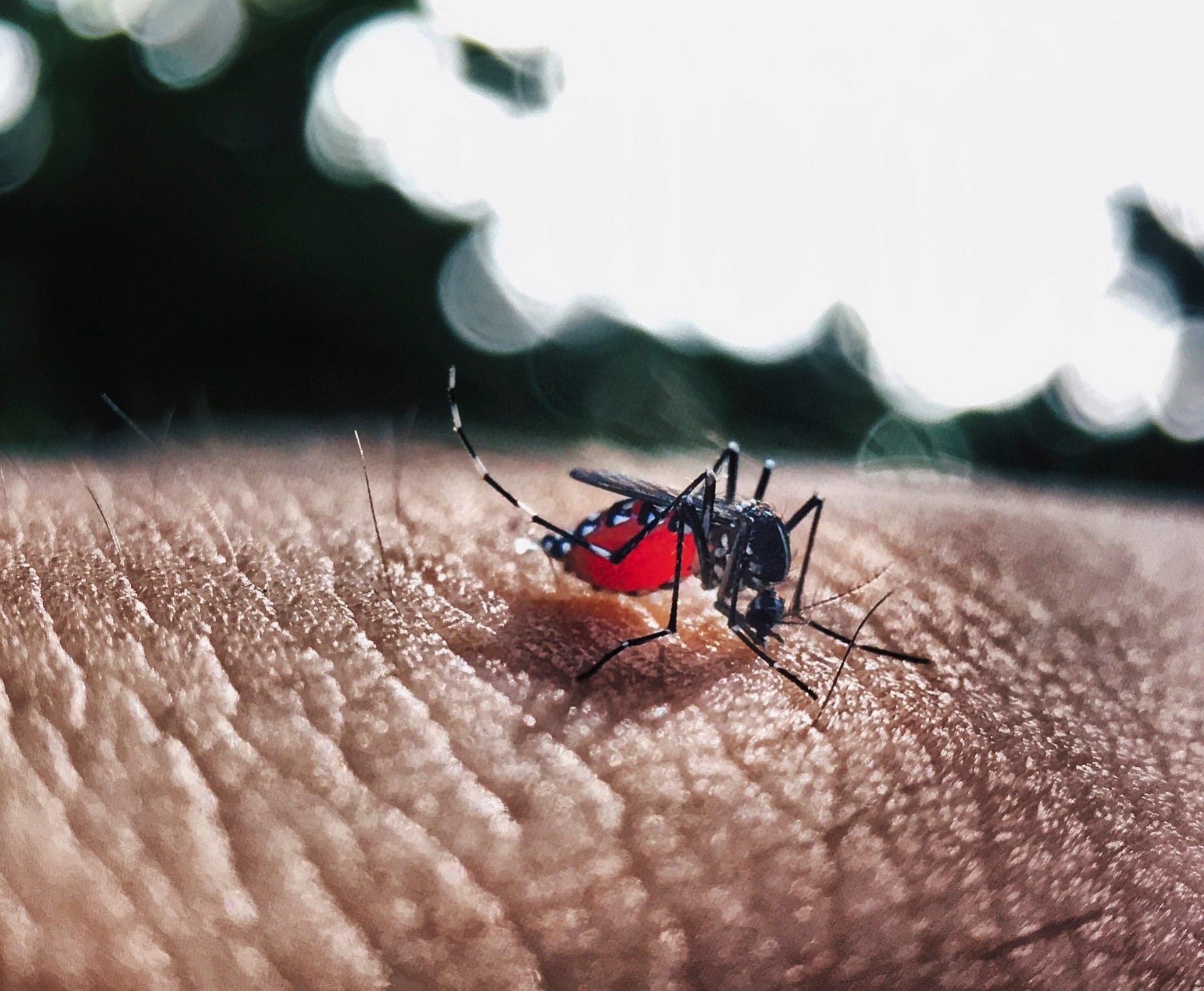
Gauteng recorded 768 malaria cases and 17 deaths between January and September 2026, prompting a renewed warning from the provincial Department of Health.
Reported cases increased by 38.6% compared with the same period in 2025, when 554 cases and six deaths were recorded.
Malaria is preventable and treatable, but delays in diagnosis and treatment can allow it to become life-threatening.
Where Are People Getting Infected?
Gauteng is not considered malaria-endemic, meaning ongoing transmission is not normally established here. Residents can, however, become infected while visiting malaria-risk areas and develop symptoms after returning.
Malaria transmission occurs in certain parts of Limpopo, Mpumalanga and KwaZulu-Natal, as well as other countries in the region. Heavy rainfall and flooding increased mosquito breeding and transmission in affected areas earlier this year.
Gauteng Health reports that 15 of the 17 people who died had travelled to other Southern African Development Community countries. This describes the deaths, rather than where all 768 infections were acquired.
🦟 Did You Know?Not Every Mosquito Can Spread Malaria
Certain female Anopheles mosquitoes can pick up malaria parasites when feeding on an infected person. After the parasites develop inside the mosquito, it can infect another person through a later bite.
You cannot catch malaria through ordinary contact, such as sitting beside, hugging or caring for someone who has it.
Before You Travel
South Africa’s malaria season generally runs from September to May. Risk varies by destination, so check your exact itinerary.
Pregnant travellers and families with young children should seek advice beforehand. Pregnancy and being under five increase the risk of severe malaria.
Recognise Symptoms and Act Quickly
Warning signs include:
Seek medical attention immediately if these develop during or after visiting a malaria-risk area, and ask about testing. Explain where you travelled and whether you took preventive medication. Taking it does not completely rule out malaria.
Government guidance advises immediate assessment for flu-like symptoms occurring up to six months after visiting a malaria area. Confusion, seizures or difficulty breathing require emergency care immediately. Do not wait for these severe signs before seeking help.
What If You Have Not Travelled?
Occasionally, infected mosquitoes are transported in vehicles or luggage and bite someone outside a malaria-risk area. Known as “taxi” or “suitcase” malaria, this is uncommon.
Persistent or unexplained fever still needs medical assessment, even without travel.
Gauteng Health says it is strengthening surveillance, investigating infections and deaths, training healthcare workers and expanding community awareness activities, including at transport hubs.
The Bottom Line
Put malaria prevention on your travel checklist, and mention your trip if you become ill afterwards. Being back home does not mean the risk has passed. Prompt testing and treatment can save lives. |
More from Joburg Insider

Nov 12, 2026
A Smarter Approach to Geyser Savings
A suitable heating schedule can help, but using less hot water and fixing avoidable waste deserve attention too.

Nov 12, 2026
Familiar Words, Unexpected Sounds
Some spellings offer few clues about their sounds. Here’s a friendly guide to names, menu favourites and everyday words that can catch us out.

Nov 11, 2026
rom Security Work to Teaching Future Teachers
After returning to matric and entering university at 27, Dr Mumsy Boikanyo is now helping prepare future teachers.

Nov 11, 2026
A New Flag for Smith’s Swimming Comeback
The Olympic champion says stronger support and her Dutch heritage helped shape a difficult decision as she pursues another swimming dream.
0 Comments
Join the conversation
Be the first to comment
Share your thoughts above.