
How One Gene Can Affect Many: A New Clue in Autism Research |
Scientists are learning how autism-linked genes interact, while assessment and support remain focused on each person’s needs. |
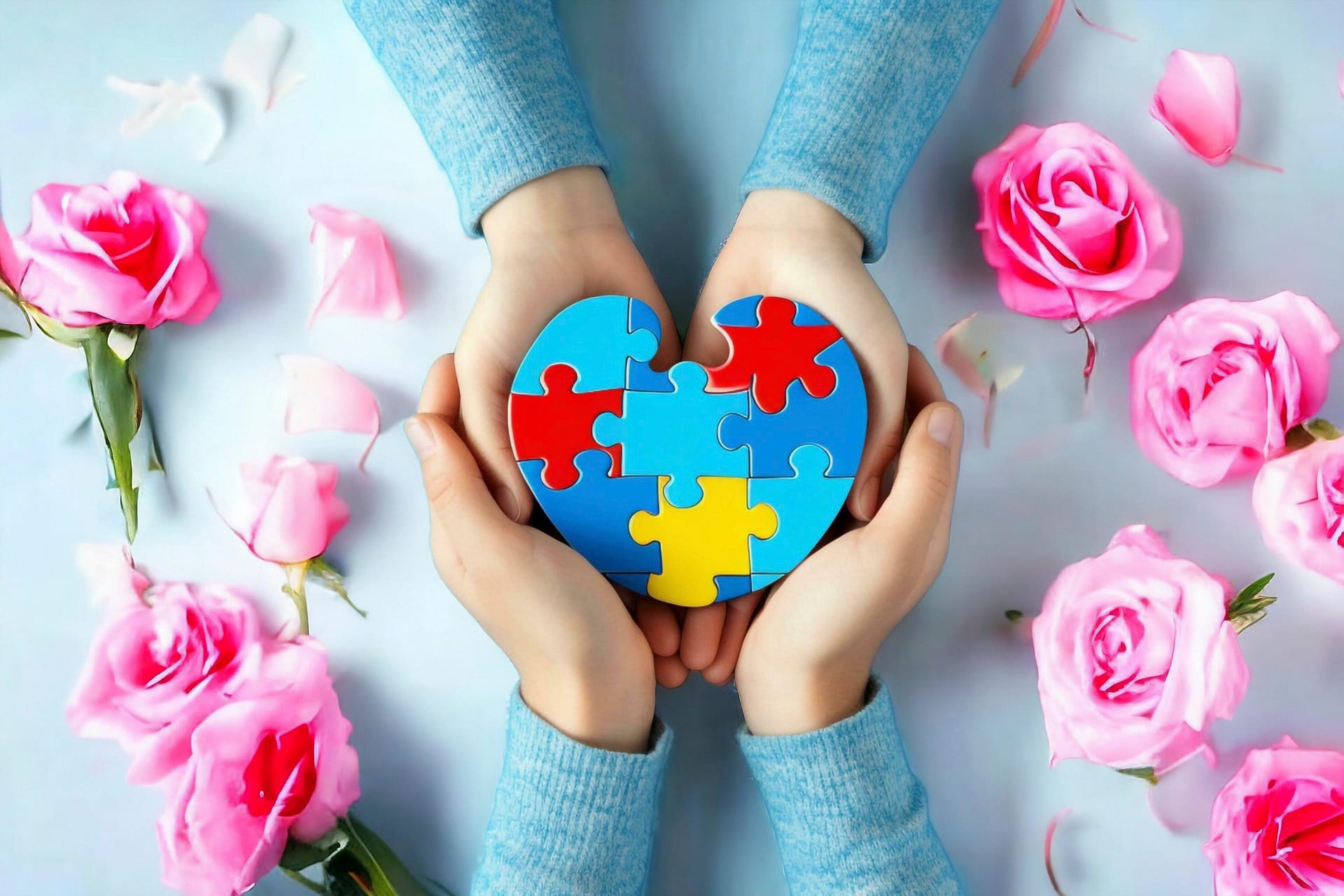
Hundreds of genes have been linked to autism. A study published in Nature helps explain how changes in different genes could affect some of the same developmental processes.
What the Scientists Found
Researchers reduced the activity of selected autism-associated genes in laboratory-grown human neural progenitor cells, immature cells that can develop into cells of the nervous system.
Across 18 analysed disruptions, they found overlapping changes, including reduced activity in other autism-associated genes. This suggests the genes work within connected networks.
One disruption affected other genes’ activity; it did not create mutations throughout the DNA.
The team also identified ZFX, an X-chromosome gene whose generally higher activity in female cells may help buffer certain disruptions. This is a proposed biological explanation, not proof that girls are protected from autism.
What It Means for Families
The study did not introduce a treatment or diagnostic test. Autism assessment still involves developmental history and professional observation, rather than relying on one test alone.
Communication difficulties, repetitive behaviours, distress around changes or unusual responses to sounds and textures can be worth discussing with a healthcare professional. These features alone do not establish autism.
To prepare for an appointment:
These notes organise the discussion; they are not a home diagnostic checklist.
Finding Support
For a child, discuss concerns with a clinic, doctor or paediatrician and ask about developmental assessment. Adults seeking assessment should ask for a practitioner experienced in adult autism.
Autism South Africa’s Gauteng directory lists assessment services, public hospital neurodevelopmental clinics and support organisations. Confirm referral and appointment requirements directly.
WHO recommends support based on each person’s needs and preferences. Families do not need to wait for a particular genetic explanation before seeking help.
The Bottom Line
The research advances understanding of autism’s biology. For families, the useful next step remains discussing specific concerns and finding support that helps the person now. |
More from Joburg Insider

Nov 11, 2026
A New Flag for Smith’s Swimming Comeback
The Olympic champion says stronger support and her Dutch heritage helped shape a difficult decision as she pursues another swimming dream.

Nov 10, 2026
An Outdoor Day With Options
The Muldersdrift festival combines outdoor activities, live music and a vendor village on Saturday, 14 November.

Nov 10, 2026
Mayfair restoration suffers another setback
Another explosion interrupted restoration work, leaving affected Johannesburg communities waiting for clarity on repairs and when electricity will return.

Nov 10, 2026
The Pressure to Look Cheerful
An experiment suggests that repeatedly smiling under pressure can undermine the small mood boost a single smile sometimes provides.
0 Comments
Join the conversation
Be the first to comment
Share your thoughts above.