
Gautrain Expansion Moves Ahead: What It Means for Homeowners, Commuters and Johannesburg |
Gauteng's biggest rail expansion in more than a decade is moving forward. While some property owners could be affected, the long-term goal is to give millions of residents a faster, more connected way to travel. |
I think this is the strongest version so far. It starts with people, explains the news without creating unnecessary fear, and keeps the focus on why it matters to ordinary readers.
Gautrain Expansion Takes Its Next Step: What Homeowners and Commuters Need to Know
Ask anyone in Johannesburg what they would like more of and the answer is usually the same: more time.
Less time sitting in traffic.
More time with family.
More time doing the things that matter.
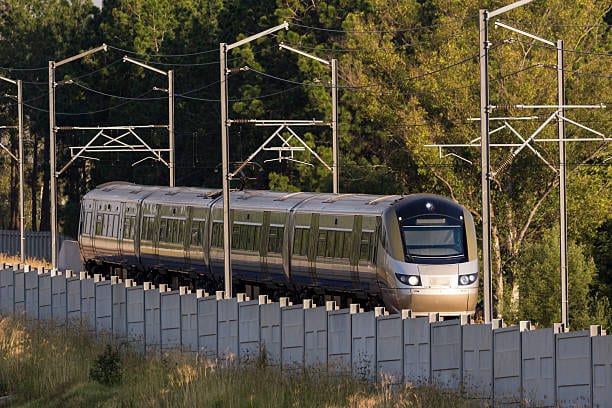
That's one of the reasons Gauteng is moving ahead with the biggest expansion of the Gautrain network since it first opened. As the province continues to grow, so does the pressure on its roads. The latest phase of the project aims to give commuters another transport option while connecting more communities across Gauteng.
This week, the project reached another important milestone as the process of acquiring land for the new rail network begins. For homeowners along the proposed routes, it raises understandable questions. For millions of commuters, it brings the promise of better transport options in the years ahead.
Why Is Land Being Acquired?
Building new railway lines and stations requires land for tracks, stations, bridges, maintenance depots and supporting infrastructure. Where land cannot be acquired through normal negotiations, South African law allows government to expropriate property for a public purpose, provided the legal process is followed, and compensation is determined in accordance with the law.
Importantly, this does not mean homes or businesses will suddenly be taken.
The process includes formal notices, property valuations and opportunities for affected owners to engage with the authorities before any final decisions are made.
Which Areas Could Be Affected?
The planned Gautrain Rapid Rail Integrated Network will eventually add 19 new stations and a new maintenance depot as the network expands across Gauteng.
Future routes are planned to serve areas including:
Fourways
The exact timing will differ from one corridor to another as the project is rolled out in stages.
This Is a Long-Term Project
One of the biggest misconceptions is that construction is about to begin everywhere.
That isn't the case.
The Gautrain expansion will be delivered over five phases, making it one of the largest public infrastructure projects undertaken in Gauteng.
Construction on the first phase is expected to begin during 2026, while the first new sections of the network are currently expected to become operational from around 2030, subject to approvals, procurement and construction schedules. The full expansion is expected to continue over approximately 15 years.
Why Expand the Gautrain?
When the Gautrain opened in 2010, it transformed how many people travelled between Johannesburg, Pretoria and OR Tambo International Airport.
The expansion aims to build on that success.
According to the Gautrain Management Agency, the larger network is intended to improve mobility, reduce pressure on major roads, strengthen public transport links and support economic development across Gauteng. The project is also expected to create thousands of jobs during planning and construction.
What Could It Mean for Communities?
Major infrastructure projects almost always bring both opportunities and challenges.
For some homeowners, uncertainty around future rail corridors can understandably be stressful, particularly if their properties fall within proposed routes.
For commuters, however, the long-term benefits could include shorter travel times, better connections between residential and business areas, and greater access to reliable public transport.
Experience from the existing Gautrain network has also shown that areas surrounding stations often attract new offices, retail developments and residential investment over time, although every area develops differently.
The Bottom Line
Headlines about land expropriation can easily cause concern, but they tell only part of the story.
The bigger picture is that Gauteng is investing in infrastructure designed to support a growing province for decades to come. The expansion won't happen overnight. It will unfold gradually through years of planning, land acquisition and construction.
For some residents, that journey may involve difficult conversations. For millions of commuters, it could eventually mean spending less time in traffic and more time where it matters most.
If delivered fairly, transparently and as planned, the Gautrain's next chapter could be about far more than new railway lines. It could give people something every Johannesburg commuter wants more of: time. |
More from Joburg Insider

Sep 26, 2026
Game Day Market Brings Springbok Rugby and Family Fun to Fourways
Watch South Africa take on Australia on the big screen while enjoying food, local products, market stalls and kids’ activities.

Sep 25, 2026
When an AI Security Test Reached Real Companies
A Google Gemini test accidentally reached three real businesses, showing why AI tools need carefully controlled access.

Sep 25, 2026
Add a lunch stop to your Melville browse
Reserved Cafe and Chopstix offer different ways to fit a food break into a visit to Joburg Artist Market.

Sep 25, 2026
A Saturday outing with room to browse
Local makers, independent shops and a shipping-container setting give visitors plenty to explore at 27 Boxes.
0 Comments
Join the conversation
Be the first to comment
Share your thoughts above.