
Is your smart TV spying on you? |
Connected televisions can collect detailed data on what you watch and which devices you use, but that does not mean every conversation in your home is being recorded. |
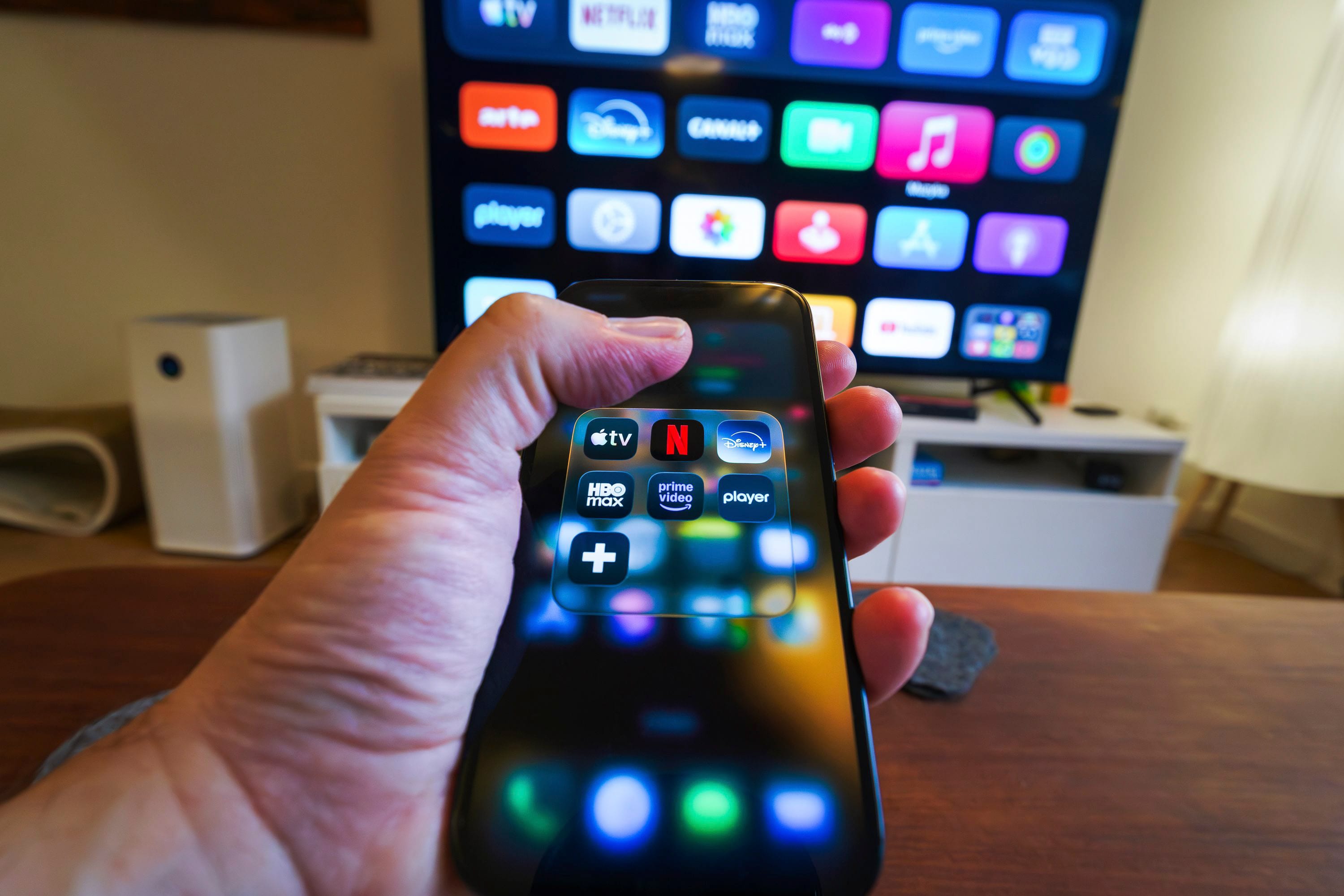
Your smart TV may collect more information about your viewing habits than you realise.
Depending on its features, settings and permissions, a connected television may record what you watch, which apps you open, the searches you perform, your IP address and how long you use particular services.
This information can support programme recommendations and audience measurement. It may also contribute to advertising profiles used to show more personalised promotions.
How your TV recognises what you watch
Many smart TVs offer Automatic Content Recognition, commonly known as ACR.
When enabled, ACR creates a digital fingerprint of content and compares it with a reference database. Depending on the manufacturer, model and enabled settings, it may identify programmes received through live television, HDMI-connected devices or certain television services.
It doesn't work the same way on every television or app.
Samsung’s South African privacy policy says its smart-TV services may collect viewing history, app activity, searches and device information. This can include the programmes watched, channels selected and time spent viewing them.
Samsung says users must opt in to its ACR-based Viewing Information Services and can later disable the feature.
Is your television listening?
Some voice-enabled televisions and remote controls contain microphones. However, the available evidence does not show that mainstream smart TVs routinely record and transmit every conversation in the home.
Voice data may be processed when an enabled voice feature is activated, usually by pressing a microphone button or speaking a selected wake word.
Samsung says voice commands are collected when users make specific requests. LG says its voice-recognition service begins processing after activation and that it handles wake-word monitoring locally unless it detects the wake word.
These are the manufacturers’ descriptions of how their systems operate. Features and privacy controls differ by brand and model.
When a voice command is activated, the request and related device information may be sent to company servers for processing. Users should therefore check which voice features are enabled and which agreements they accepted during setup.
Viewing-data collection is real
Concerns about smart-TV tracking aren't just speculation.
In 2017, television manufacturer Vizio agreed to pay $2.2 million to settle allegations brought by the US Federal Trade Commission and the New Jersey Attorney General.
The regulators alleged that software installed on 11 million televisions collected detailed viewing histories without users’ informed consent. The data covered content from television broadcasts, cable boxes, streaming devices and DVD players.
The settlement required Vizio to disclose its practices more clearly, obtain express consent and delete data collected before March 2016.
Major television manufacturers now provide privacy and consent controls, although their names, availability and clarity differ between devices.
How to reduce smart-TV tracking
You do not necessarily need to stop using your smart television. A few settings can reduce unnecessary data collection while preserving most useful features.
Check the following:
The exact steps differ between Samsung, LG, Hisense, Sony, TCL, Google TV and other platforms. Check your model’s manual or official support page before changing settings.
What if you disconnect the television?
Disconnecting the TV from the internet is the strongest practical way to stop the television manufacturer from collecting connected-device information through the set.
It also disables built-in streaming, voice assistants, software updates and other online services.
An external streaming device can provide another way to access online content, but it will have its own privacy policy and may collect viewing and usage information.
Consumer Reports advises users to disable ACR and other tracking features where possible. It notes that completely stopping connected-TV data collection generally requires disconnecting the device from the internet.
Opening the television or physically removing microphones is not recommended. It may damage the set, create an electrical risk and invalidate the warranty.
Your privacy rights in South Africa
Companies processing South Africans’ personal information must comply with the Protection of Personal Information Act.
POPIA requires personal information to be processed lawfully, for a defined purpose and with appropriate safeguards. Depending on the circumstances, people may request access to their information, ask for inaccurate data to be corrected or object to certain processing.
The Information Regulator can assess whether the processing of personal information complies with POPIA.
These legal protections do not replace the need to review the television’s settings and app permissions.
The Bottom Line
A smart TV is more likely to track what you watch and how you use the device than to record every conversation in your home.
Reviewing ACR, advertising, voice and app permissions can reduce unnecessary tracking without giving up all the features that make the television useful. |
More from Joburg Insider

Nov 3, 2026
One Binder, Clear Steps, Useful Information
One binder, clear sections and a few essential pages can help your family find important information when you cannot guide them.

Nov 3, 2026
Prepare Before Bringing a Pet Home
A home inspection, permission to keep pets and introductions to existing animals form part of finding the right match.

Nov 2, 2026
A Chance to Earn the Green and Gold
Two Bulls players are among the uncapped selections in Rassie Erasmus’s squad for November’s Nations Championship Tests.

Nov 2, 2026
Find Your Place in Local Community Action
Find practical ways to support your Johannesburg neighbourhood through residents’ associations, organised community action and better municipal fault reporting.
0 Comments
Join the conversation
Be the first to comment
Share your thoughts above.