
Joburg can help ease water pressure as consumption reaches record levels |
The city is using 273 million litres a day above its temporary limit, but reducing avoidable demand now could help protect reservoirs and prevent supply cuts. |
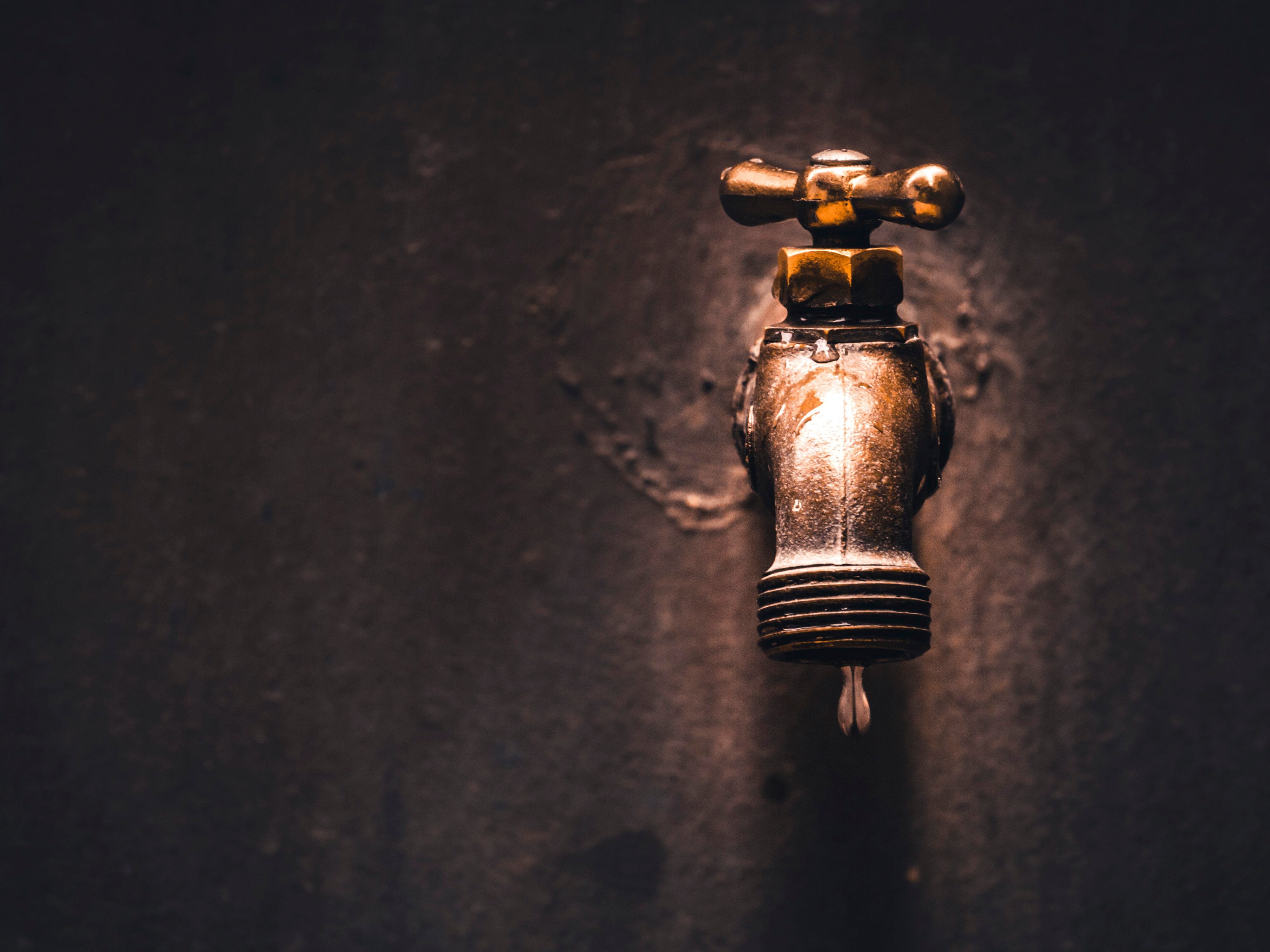
Johannesburg’s water system is under growing pressure, but households, businesses and the city still have an opportunity to help stabilise it before the situation becomes more serious.
Rand Water says Johannesburg is consuming about 1.801 billion litres of water a day. That is 273 million litres above the city’s temporarily increased limit of 1.528 billion litres a day.
The city’s permanent allocation is 1.356 billion litres a day, meaning consumption will eventually need to fall by about 445 million litres to return to that level.
Why Rand Water is concerned
Rand Water says it is already pumping at maximum capacity, while water use across several municipalities has reached record levels.
Continued overconsumption makes it difficult to balance the bulk supply network and keep municipal reservoirs stable. The utility has warned that it may reduce supply to customers that repeatedly exceed their allocated volumes.
This is a warning about increasing pressure on the system. It is not an announcement that Johannesburg’s water is about to be switched off. Reducing consumption now could lower the risk of low pressure, reservoir depletion and further restrictions during the hotter months.
Johannesburg is not the only area affected
Tshwane and Emfuleni are also using more water than their allocated volumes.
Ekurhuleni’s reported consumption of 1.005 billion litres a day remains below its permanent and temporary limits, showing that not every municipality supplied by Rand Water is currently exceeding its allocation.
Rand Water has called on over-consuming municipalities to introduce immediate measures to reduce demand and protect continuity of supply across the wider network.
Level 1 restrictions are already in place
Johannesburg’s annual Level 1 water restrictions took effect on 1 September 2026 and will remain in place until 31 March 2027.
During this period:
Johannesburg Water says demand rises during hot weather as people use more water for gardens, pools, showers and washing vehicles. This can cause reservoirs and towers to empty faster than they recover.
Small changes can protect the wider system
Individual households cannot solve infrastructure problems on their own. However, reducing unnecessary water use can help give reservoirs more time to recover.
Residents and businesses can assist by:
Johannesburg Water says it is also monitoring reservoir and tower levels, repairing leaks, managing pressure and addressing illegal connections and water losses.
The Bottom Line
Rand Water’s warning comes before widespread forced reductions have been announced, which means there is still an opportunity to act.
Municipal repairs, better demand management and responsible use by households and businesses can help reduce pressure on the network and protect water availability during the hotter months. |
More from Joburg Insider

Nov 3, 2026
One Binder, Clear Steps, Useful Information
One binder, clear sections and a few essential pages can help your family find important information when you cannot guide them.

Nov 3, 2026
Prepare Before Bringing a Pet Home
A home inspection, permission to keep pets and introductions to existing animals form part of finding the right match.
Nov 2, 2026
A Chance to Earn the Green and Gold
Two Bulls players are among the uncapped selections in Rassie Erasmus’s squad for November’s Nations Championship Tests.
Nov 2, 2026
Find Your Place in Local Community Action
Find practical ways to support your Johannesburg neighbourhood through residents’ associations, organised community action and better municipal fault reporting.
0 Comments
Join the conversation
Be the first to comment
Share your thoughts above.