
When Online Betting Stops Being Fun: Know the Signs and Get Help |
More South Africans are seeking help for gambling-related harm, but confidential counselling, treatment and self-exclusion services are available. |
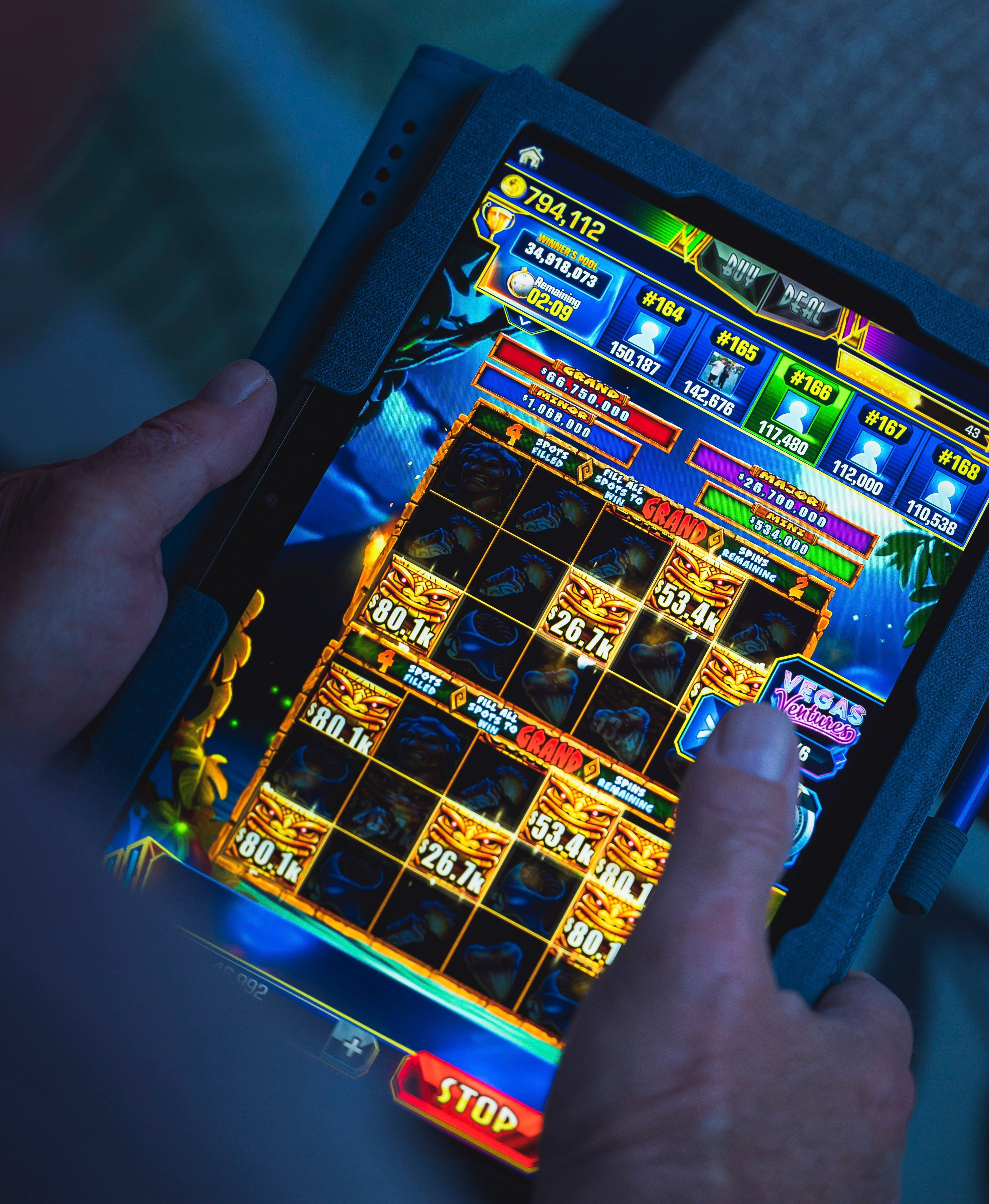
Online betting has made gambling available almost anywhere and at any time. For some people, it remains occasional entertainment, but for others it can develop into debt, secrecy, relationship problems and serious emotional distress.
Clinical data from the South African Responsible Gambling Foundation shows that 5,199 people were screened for treatment during 2025/26. Of these, 1,345 presented with high-risk suicidal-ideation profiles.
This does not mean that 1,345 people attempted suicide or died by suicide. It means the screening process identified people who required closer assessment and support.
The harm often extends beyond gambling
Among those assessed, 83% reportedly had debt they could no longer manage, while 35% of first-time callers reported higher alcohol consumption.
Thirty-six people were referred for psychiatric evaluations and 20 entered inpatient treatment programmes.
These figures show why gambling harm should not be dismissed as poor money management. It can overlap with anxiety, depression, substance use, family conflict and financial hardship.
Online betting is growing rapidly
South Africa recorded approximately R1.5 trillion in gambling turnover during 2024/25. However, this figure includes winnings that were subsequently wagered again, so it is not the amount that gamblers lost.
Gross gambling revenue, the amount retained after winnings are paid, was R74.5 billion, up 25.6% from the previous year. Online betting generated R44 billion and accounted for 85.5% of betting revenue.
In October 2026, Communications and Digital Technologies Minister Solly Malatsi said he would engage ICASA to assess whether online gamblers have sufficient safeguards and whether operators are complying with regulatory requirements.
Warning signs to take seriously
Online betting may be causing harm when someone:
The National Gambling Board advises people to treat gambling as entertainment, not as an income source, and never to gamble with money needed for essential expenses.
Practical steps that can help
Because online betting is constantly accessible, relying on willpower alone may not be enough. Creating practical barriers can make it harder to place another impulsive bet.
Setting a budget can help recreational gamblers, but it may not be enough once someone is borrowing money, hiding losses or repeatedly failing to stop.
The National Responsible Gambling Programme provides free counselling and treatment. Self-exclusion can also restrict a person’s access to gambling while they receive support.
Self-exclusion offers a stronger barrier
A person can request self-exclusion through a gambling operator or provincial gambling authority.
Under the formal process, the person is excluded from gambling for at least six months and receives counselling support. Reinstatement is considered only after the exclusion period and evidence that counselling has been attended.
Be careful where you gamble
Not every gambling website or application available online is legal in South Africa.
The National Gambling Board says consumers should use only operators licensed by a provincial gambling authority. Offshore casinos and unlicensed platforms may offer no reliable protection or recourse when winnings are withheld or information is misused.
Help is available
You do not have to wait until gambling has caused a financial or emotional crisis before asking for support. Free and confidential guidance is available to individuals and families affected by gambling harm.
The Bottom Line
Gambling harm can become serious, but people do not have to wait for a crisis before asking for help.
Recovery may begin with one honest conversation, a self-exclusion request or a call to a counsellor. Families can also seek guidance when someone else’s gambling is affecting the household. |
More from Joburg Insider

Nov 3, 2026
One Binder, Clear Steps, Useful Information
One binder, clear sections and a few essential pages can help your family find important information when you cannot guide them.

Nov 3, 2026
Prepare Before Bringing a Pet Home
A home inspection, permission to keep pets and introductions to existing animals form part of finding the right match.

Nov 2, 2026
A Chance to Earn the Green and Gold
Two Bulls players are among the uncapped selections in Rassie Erasmus’s squad for November’s Nations Championship Tests.

Nov 2, 2026
Find Your Place in Local Community Action
Find practical ways to support your Johannesburg neighbourhood through residents’ associations, organised community action and better municipal fault reporting.
0 Comments
Join the conversation
Be the first to comment
Share your thoughts above.