
Shared ATMs could reshape how South Africans access cash |
The Reserve Bank wants a neutral ATM network that serves customers from different banks while improving access in underserved communities. |
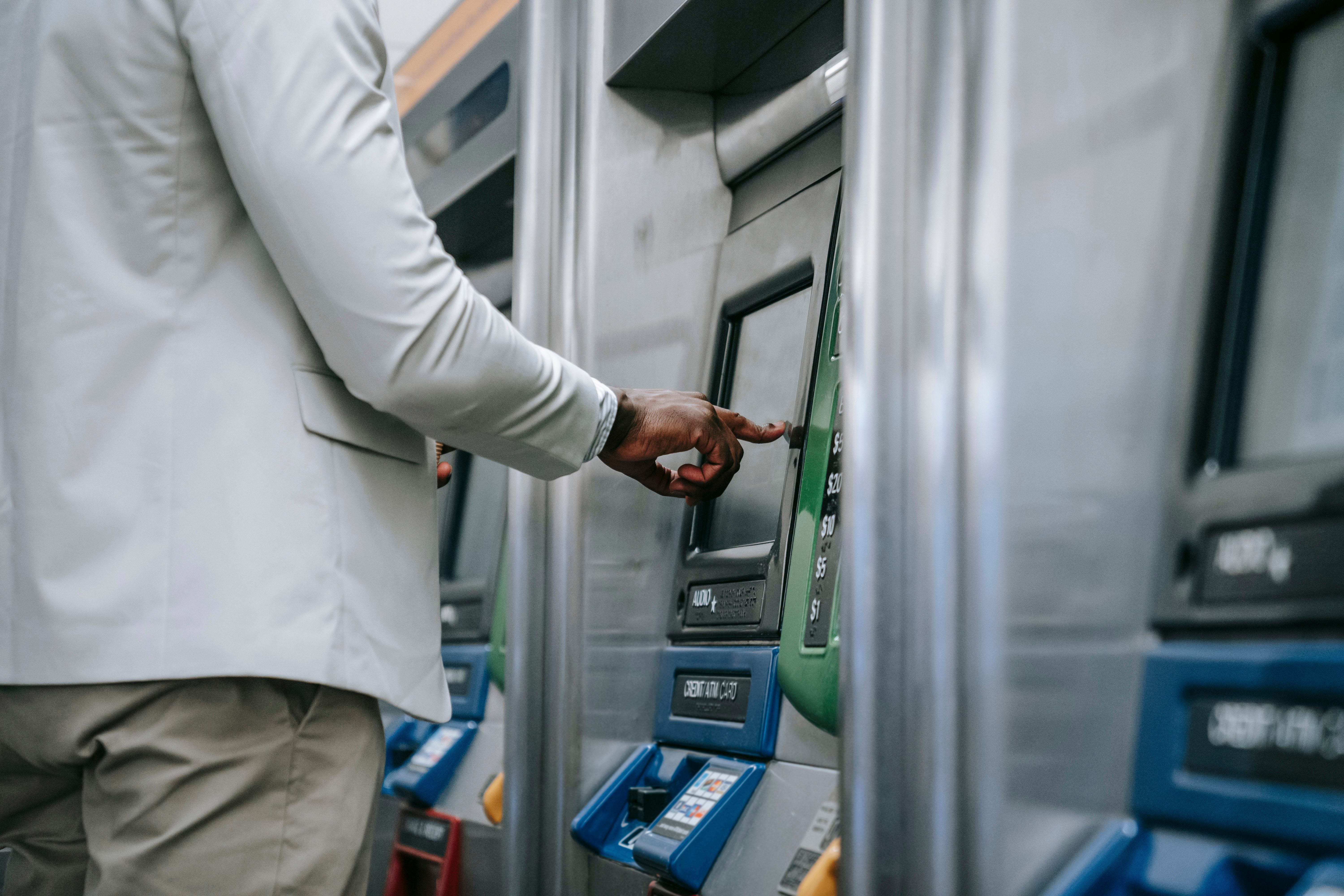
Bank-branded ATMs may gradually be replaced or supplemented by shared machines under the South African Reserve Bank’s plan to modernise the country’s cash network.
Known as white-label ATMs, these machines would not belong to one commercial bank. They would form part of a shared network available to customers from different banks.
The change forms part of the Reserve Bank’s Cash Smart Strategy, which aims to make cash more affordable, accessible and secure.
How would a shared ATM work?
For customers, a white-label ATM should feel much like any existing machine. Users would insert their bank card or use another supported method and follow the normal transaction prompts.
The difference would be behind the screen. Instead of each bank maintaining a separate network, the machines would be operated through a planned National Cash Utility.
Withdrawals should remain widely available. Deposits, balance enquiries and other services will depend on the final ATM model and the systems supporting it.
Why change the current network?
South Africa has roughly 30,000 ATMs, but access is uneven. Commercial centres may have several machines belonging to competing banks, while people in rural communities, townships and informal settlements may have to travel further to withdraw money.
Running separate networks also duplicates maintenance, security, cash deliveries and processing costs. The Reserve Bank wants to reduce that duplication and place cash-access points where they are needed most.
A Reserve Bank study using 2024 data found that cash still accounts for approximately 56% of consumer transactions by volume. It remains particularly important to informal traders, cash-reliant households and communities where digital payment services are limited or unreliable.
Will ATMs disappear?
Some duplicated or inefficient machines may be removed over time, but the plan is not intended to reduce people’s access to cash.
The shared network would be supported by bank branches and retail cash withdrawals at shops. Additional access points could also be introduced in areas where current coverage is inadequate.
SARB says the new system should include clear standards for:
Will withdrawals become cheaper?
The strategy is designed to reduce the overall cost of accessing and managing cash, but customers should not assume that all transactions will be free.
Free withdrawals below a possible transaction threshold have been discussed, but the final fee structure has not been confirmed. Banks and the Reserve Bank are still working through the funding, operating and technical arrangements.
The system will be introduced in phases over several years. A senior Reserve Bank official has indicated that broader deployment could begin from 2028, although the timetable will depend on industry consultation and operational readiness.
Cash is not being phased out
The Cash Smart Strategy is not an attempt to create a cashless South Africa.
The Reserve Bank considers cash and digital payments complementary. Cash provides an important alternative during network or electricity disruptions and remains essential to millions of people and businesses.
For most customers, withdrawals will continue as usual while the new arrangements are tested and introduced.
The Bottom Line
The immediate change for customers will be limited because the shared ATM model has not yet been finalised.
Its success will ultimately depend on whether it gives underserved communities more reliable access, maintains essential banking services and turns lower operating costs into fairer fees for customers. |
More from Joburg Insider

Nov 3, 2026
One Binder, Clear Steps, Useful Information
One binder, clear sections and a few essential pages can help your family find important information when you cannot guide them.

Nov 3, 2026
Prepare Before Bringing a Pet Home
A home inspection, permission to keep pets and introductions to existing animals form part of finding the right match.

Nov 2, 2026
A Chance to Earn the Green and Gold
Two Bulls players are among the uncapped selections in Rassie Erasmus’s squad for November’s Nations Championship Tests.

Nov 2, 2026
Find Your Place in Local Community Action
Find practical ways to support your Johannesburg neighbourhood through residents’ associations, organised community action and better municipal fault reporting.
0 Comments
Join the conversation
Be the first to comment
Share your thoughts above.