
Small Fuel Top-Ups? Avoid Running Almost Empty |
You do not need a full tank every time, but planning when to refuel can help protect your car and avoid getting stranded. |
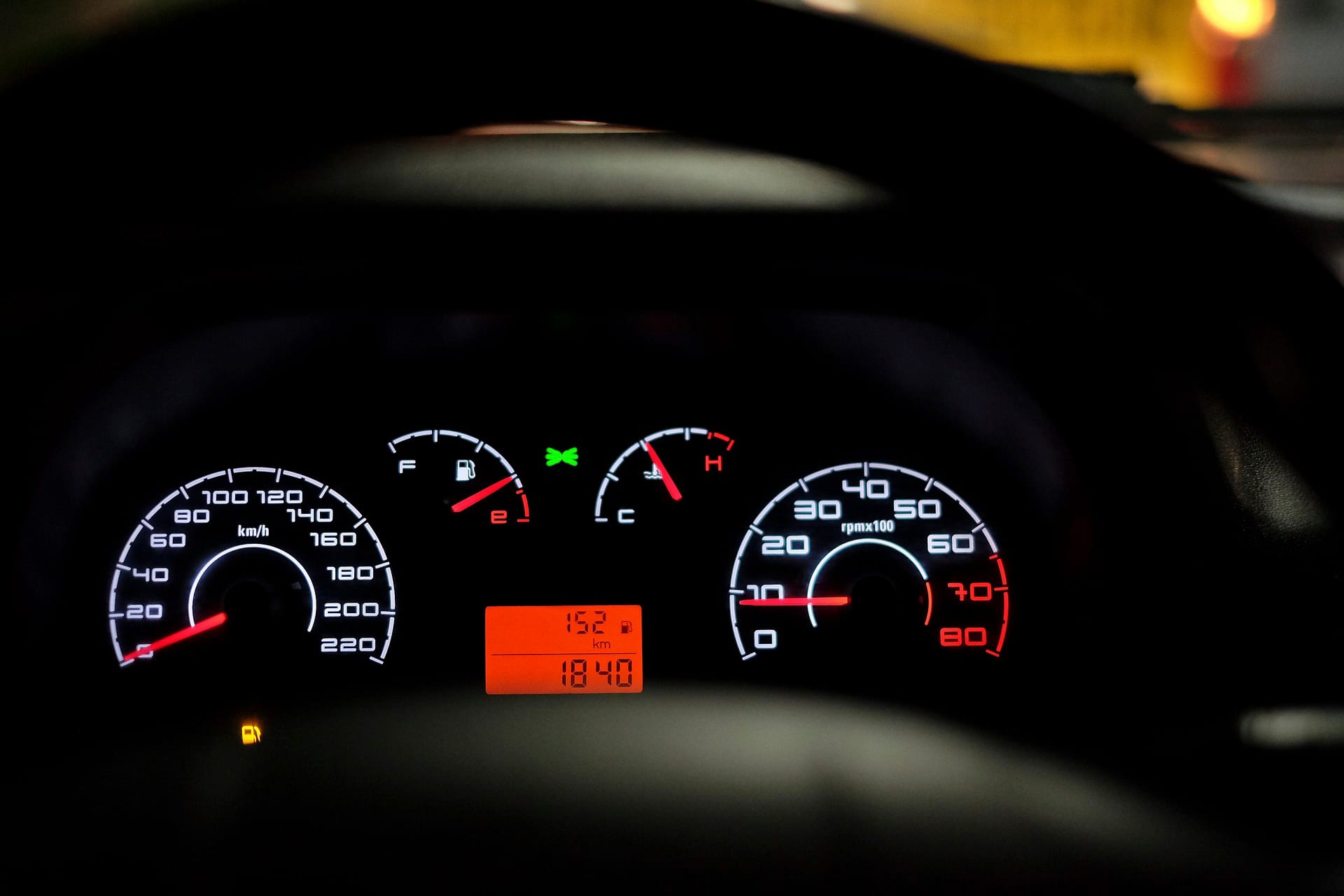
When the budget only stretches to a small fuel purchase, filling the tank may have to wait. The useful distinction is between buying smaller amounts and repeatedly letting the tank become nearly empty.
Fuel-system manufacturer DENSO advises against driving with a nearly empty tank. It explains that fuel flowing through an in-tank pump helps keep its motor cool and lubricated.
For motorists managing tight budgets, the practical aim is to plan the next fuel stop before the remaining supply becomes critically low.
Why the Fuel Level Matters
The fuel pump delivers fuel from the tank to the engine at the pressure the vehicle requires. DENSO identifies in-tank pumps as the most widely used type and includes avoiding nearly empty tanks among its recommendations for preventing fuel-system problems.
A low-fuel warning light does not mean the pump is already damaged. Suspected pump faults need proper diagnosis because electrical connections, contamination, blocked filters and insufficient fuel can also cause problems.
If your car starts to struggle, stall, or hesitate during acceleration, arrange an inspection rather than assuming the fuel pump needs replacing.
Remaining Range Is an Estimate
A dashboard showing kilometres remaining can help with planning, but it doesn't guarantee anything. Ford South Africa describes “distance to empty” as the approximate distance the vehicle can travel on its remaining fuel.
Before setting off, consider the journey ahead and leave room for a detour or delay. If the warning light appears, plan a safe refuelling stop instead of trying to use every kilometre displayed.
Your vehicle’s handbook is the best place to check its specific warning-light and refuelling guidance.
Save Fuel Through Everyday Habits
Keeping fuel in reserve helps with journey planning. Reducing consumption depends more directly on how you drive and maintain your vehicle.
The Automobile Association of South Africa and Ford South Africa recommend practical habits such as:
Savings will vary with your vehicle, its condition, and the journeys you make. These habits offer useful ways to manage consumption without buying additional products.
The Bottom Line
If you buy fuel in small amounts, include the next petrol station in your travel plan. Refuelling before the situation becomes urgent gives you more choice about where to stop and less reason to gamble on the last few kilometres. |
More from Joburg Insider

Nov 3, 2026
One Binder, Clear Steps, Useful Information
One binder, clear sections and a few essential pages can help your family find important information when you cannot guide them.

Nov 3, 2026
Prepare Before Bringing a Pet Home
A home inspection, permission to keep pets and introductions to existing animals form part of finding the right match.

Nov 2, 2026
A Chance to Earn the Green and Gold
Two Bulls players are among the uncapped selections in Rassie Erasmus’s squad for November’s Nations Championship Tests.

Nov 2, 2026
Find Your Place in Local Community Action
Find practical ways to support your Johannesburg neighbourhood through residents’ associations, organised community action and better municipal fault reporting.
0 Comments
Join the conversation
Be the first to comment
Share your thoughts above.