
What Ants Can Teach Us About Beating Traffic Jams |
Every day, millions of people try to outsmart traffic. Tiny ants never do... and somehow they get it right. |
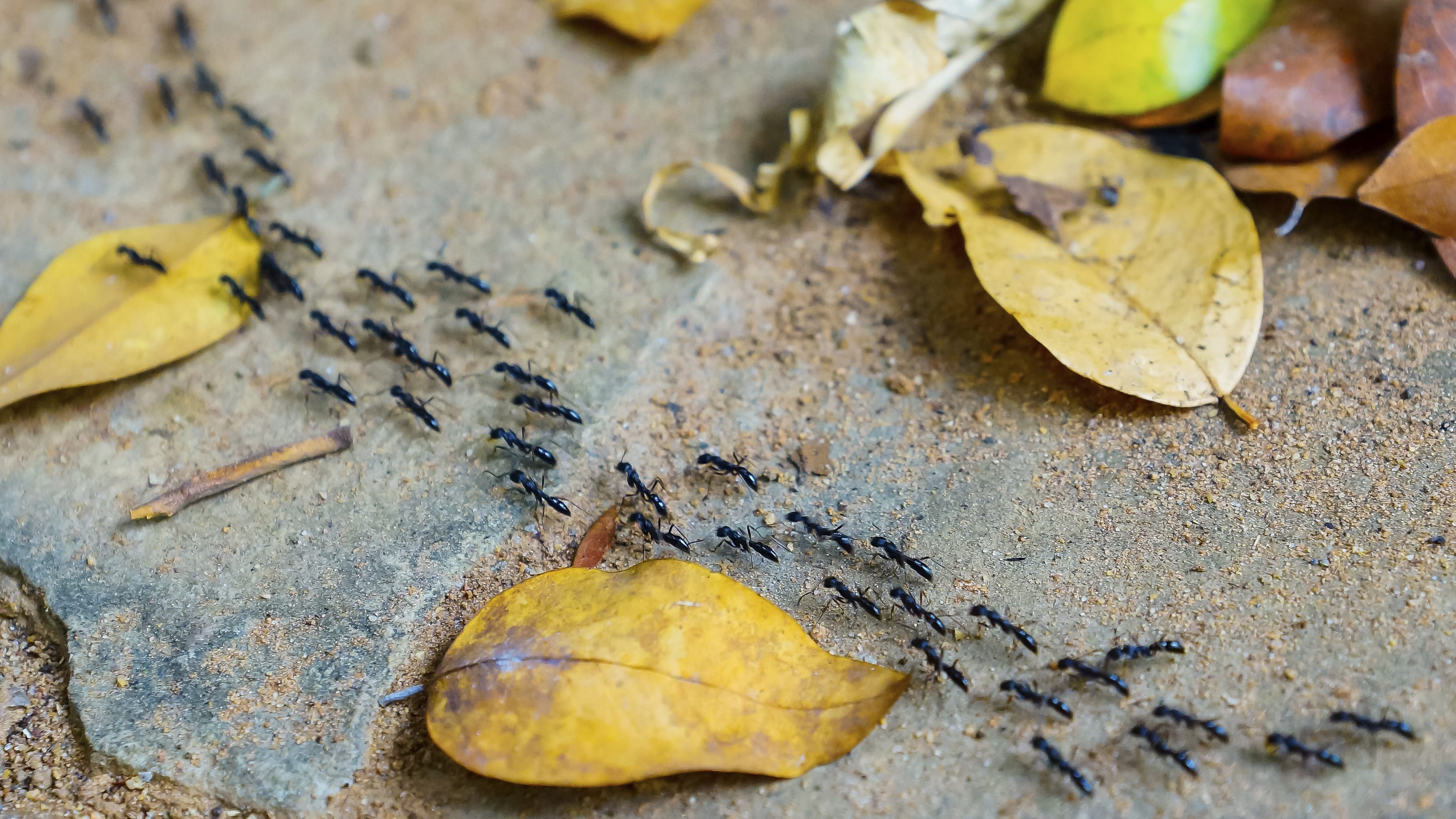
If you've ever sat on the N1 wondering why traffic suddenly grinds to a halt for no obvious reason, you're not alone. Engineers have spent decades trying to solve one of modern life's biggest frustrations. It may sound unlikely, but one of the world's best traffic systems belongs to ants.
Scientists have discovered that thousands of ants can travel along narrow trails carrying food, moving in opposite directions and squeezing through bottlenecks without creating the kind of standstill humans experience every day. Even when the trail becomes crowded, the colony keeps moving.
The Secret Isn't Speed
Most people assume traffic jams happen because there are too many vehicles.
That's only part of the story.
Research shows that ants rarely create traffic jams because they don't behave like human drivers. They don't race to get ahead, weave between lanes or brake suddenly. Instead, each ant follows a handful of remarkably simple rules that benefit the colony rather than the individual.
They Stay in Their Lane
Army ants naturally organise themselves into lanes without anyone directing them.
Ants travelling towards food tend to use the outer lanes, while ants returning to the nest, often carrying food, travel down the middle. This self-organised system dramatically reduces collisions and keeps traffic flowing smoothly.
Nobody Tries to Overtake
Imagine the morning commute if nobody constantly changed lanes. Ants don't overtake one another. They maintain a steady pace and adjust their speed to the ant in front of them. Surprisingly, this allows more ants to move through the trail over time than if every individual tried to go faster.
They Know When to Slow Down
One of the biggest discoveries came in 2019 when researchers found that ants change their behaviour as trails become crowded. Instead of forcing their way through congestion, they automatically reduce their speed, avoid unnecessary interactions and regulate the overall flow. The result is remarkable: traffic keeps moving even at very high densities, without collapsing into gridlock.
Even Their Cargo Has Rules
Leaf-cutting ants have another clever strategy.
When traffic becomes heavy, workers become less likely to carry oversized leaf fragments that would slow everyone else down. It's a bit like restricting oversized trucks during peak-hour traffic to keep roads flowing efficiently.
Why Scientists Are Paying Attention
Ant traffic isn't just an interesting curiosity.
Researchers in engineering, robotics and computer science are studying ant colonies to improve everything from autonomous vehicles and warehouse robots to internet routing and city traffic systems.
Some of the algorithms that help delivery companies and navigation software find efficient routes are already inspired by the way ants collectively solve problems.
The Real Lesson
The biggest surprise isn't that ants are organised. It's that they achieve it without traffic lights, road signs or a central controller.
Each ant follows simple local rules. Together, those individual decisions create a system that remains efficient even under pressure.
Humans often think bigger roads are the answer to congestion. Ants suggest another possibility: sometimes better behaviour is just as important as better infrastructure.
After all, when thousands of tiny insects can move through a crowded trail without bringing everything to a standstill, it raises an interesting question.
Maybe the world's best traffic engineers have six legs. |
More from Joburg Insider

Sep 25, 2026
When an AI Security Test Reached Real Companies
A Google Gemini test accidentally reached three real businesses, showing why AI tools need carefully controlled access.
Sep 25, 2026
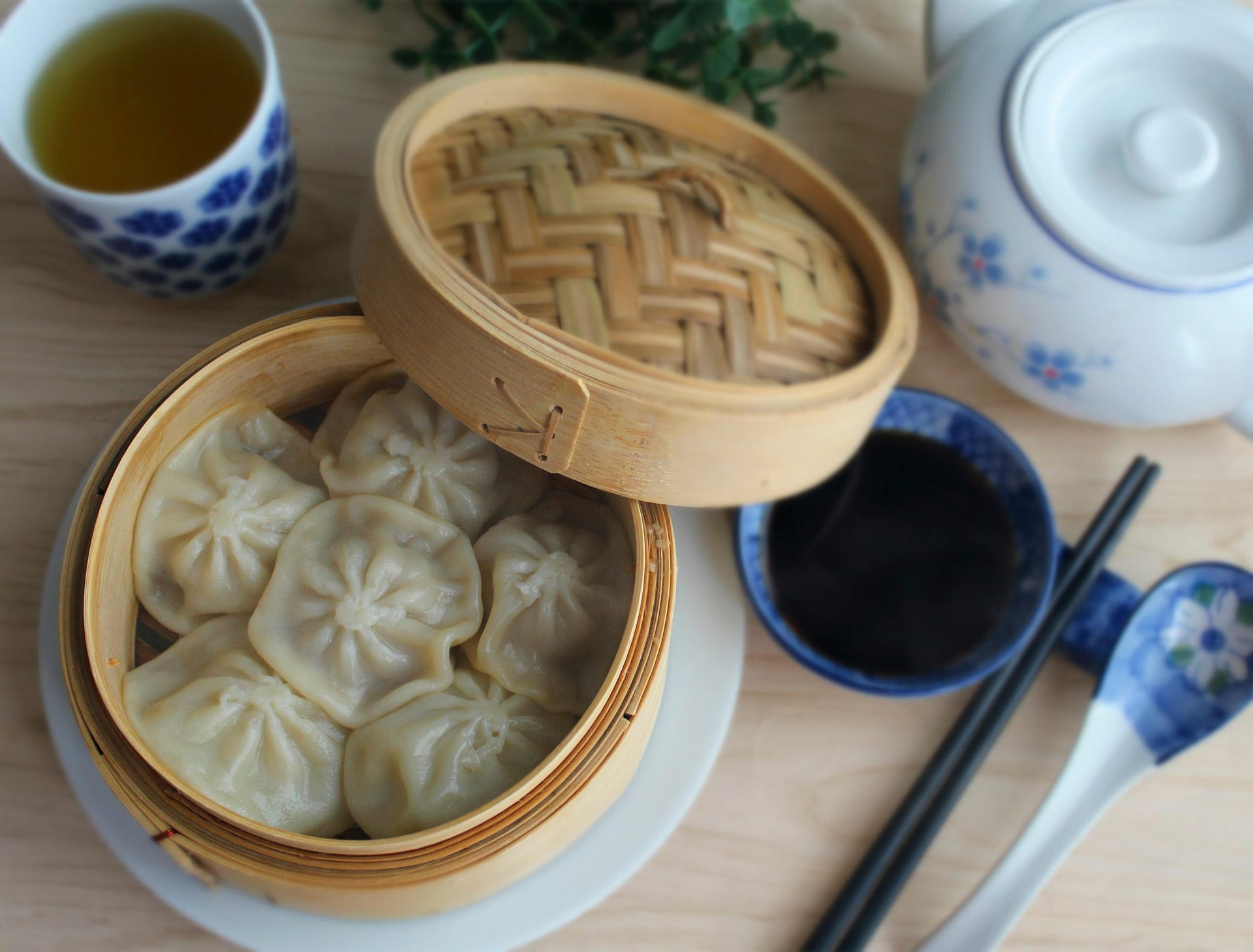
Add a lunch stop to your Melville browse
Reserved Cafe and Chopstix offer different ways to fit a food break into a visit to Joburg Artist Market.

Sep 25, 2026
A Saturday outing with room to browse
Local makers, independent shops and a shipping-container setting give visitors plenty to explore at 27 Boxes.
Sep 25, 2026
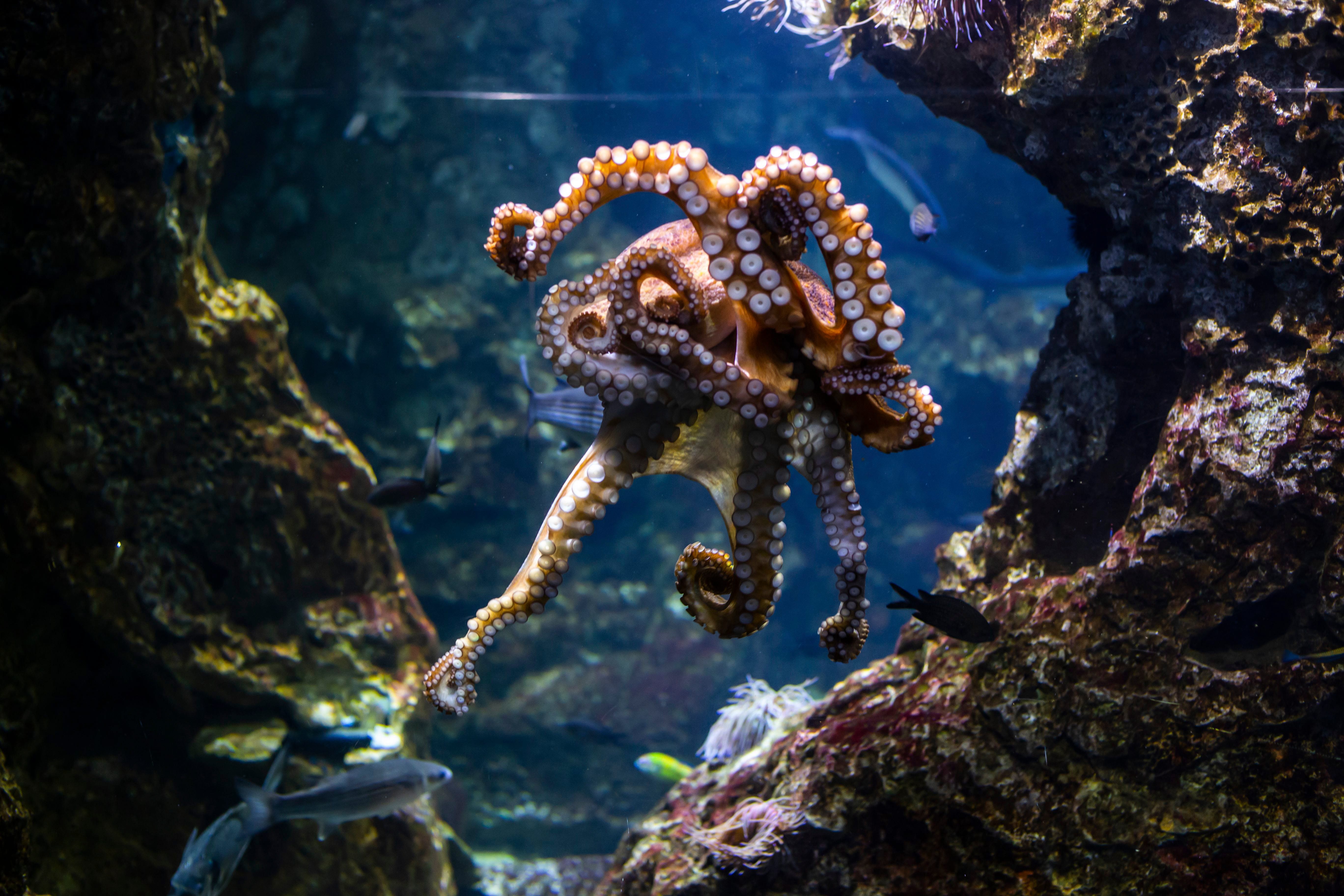
The clever engineering inside an artificial sucker
Tiny sensors inside artificial suckers help a flexible robotic arm judge its grip, opening possibilities for machines that handle delicate objects.
0 Comments
Join the conversation
Be the first to comment
Share your thoughts above.