
When the Heat Becomes a Health Risk |
Know the signs of heat exhaustion, when to call for emergency help and how to stay safer on hot days. |
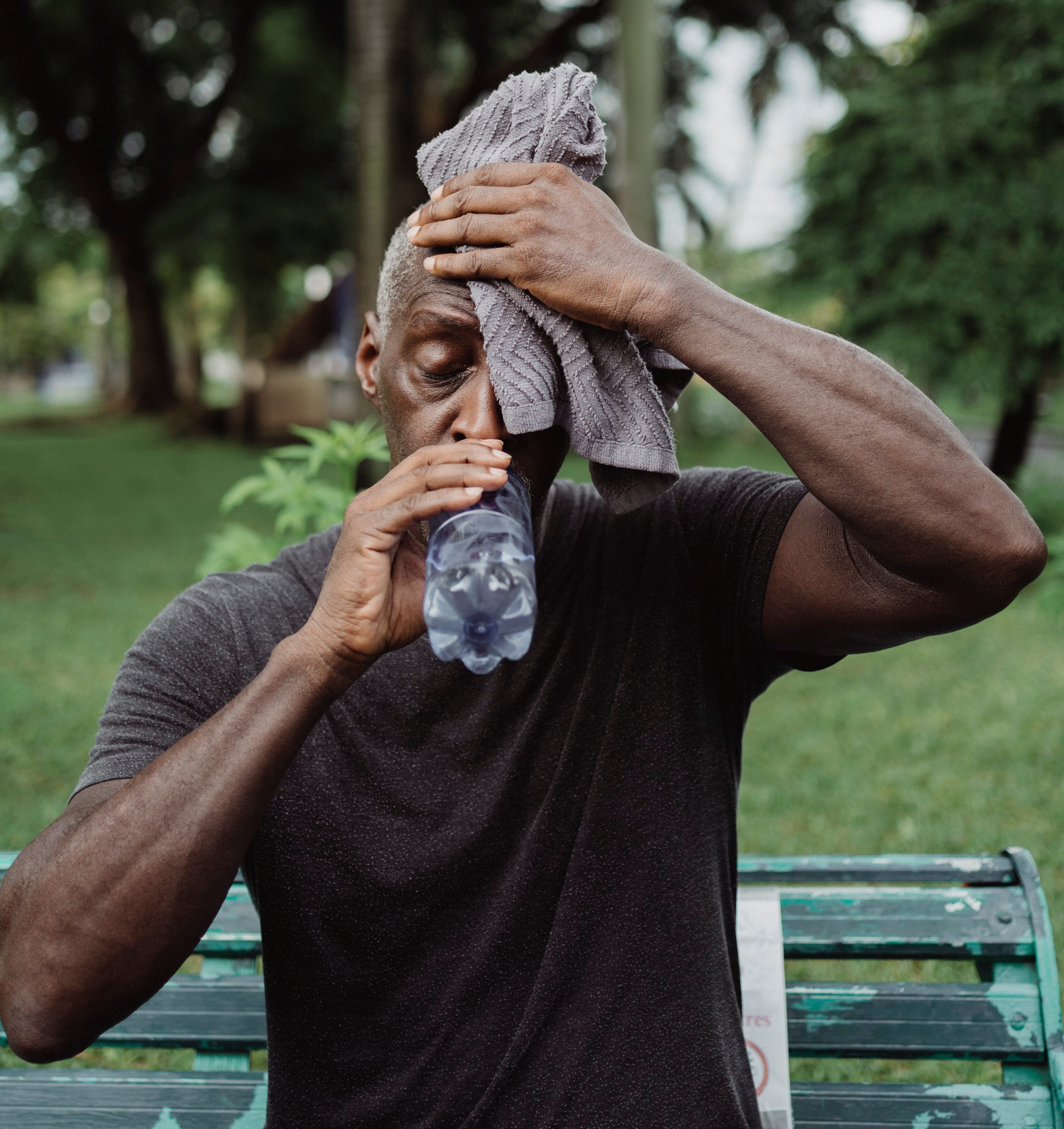
If you feel dizzy, weak, or nauseous after spending time in the heat, stop and cool down. Trying to finish gardening, an exercise session, or an outdoor task can put your health at risk.
Heat exhaustion develops when the body loses too much water and salt, usually through excessive sweating. Heatstroke is more serious: the body can no longer control its temperature, and it needs emergency treatment.
You don't have to wait for someone to collapse to take heat illness seriously.
Recognise the Warning Signs
South Africa’s Department of Health identifies these possible signs of heat exhaustion:
These symptoms after heat exposure need prompt attention.
Stop, Cool Down and Get Help
If someone appears to have heat exhaustion:
Get medical advice if they are vomiting, cannot drink or are not improving. If they remain unwell after about 30 minutes of cooling and fluids, seek emergency help. Do not wait 30 minutes if serious symptoms appear.
Confusion or Loss of Consciousness Is an Emergency
Confusion, unusual behaviour, seizures or loss of consciousness after heat exposure may indicate heatstroke. Call for emergency help immediately.
Someone with heatstroke may have dry skin or may still be sweating. Sweating does not rule it out.
In South Africa, call 112 from a cellphone or 10177 for an ambulance. Give your exact location and describe the person’s symptoms.
While help is coming, move them somewhere cooler, remove unnecessary outer clothing and begin cooling their skin with water, wet towels and fanning. Stay with them and follow the emergency operator’s instructions.
Who Needs Extra Care?
The South African Medical Research Council highlights babies, young children, older people, pregnant women and people taking chronic medication among those needing particular protection.
Outdoor workers and commuters spending long periods in hot vehicles can also face greater exposure.
Heat can worsen existing heart, lung and kidney conditions. If you have a prescribed fluid restriction, ask your healthcare provider how to manage hot weather rather than changing your fluid intake yourself.
Make Hot Days Easier to Manage
A few preparations can help reduce exposure:
Take Symptoms Seriously, Early
Permit yourself to stop a task when the heat makes you feel unwell. If someone nearby becomes confused or loses consciousness, call for help and start cooling them immediately. |
More from Joburg Insider

Nov 3, 2026
One Binder, Clear Steps, Useful Information
One binder, clear sections and a few essential pages can help your family find important information when you cannot guide them.

Nov 3, 2026
Prepare Before Bringing a Pet Home
A home inspection, permission to keep pets and introductions to existing animals form part of finding the right match.

Nov 2, 2026
A Chance to Earn the Green and Gold
Two Bulls players are among the uncapped selections in Rassie Erasmus’s squad for November’s Nations Championship Tests.
Nov 2, 2026
Find Your Place in Local Community Action
Find practical ways to support your Johannesburg neighbourhood through residents’ associations, organised community action and better municipal fault reporting.
0 Comments
Join the conversation
Be the first to comment
Share your thoughts above.