
Why Will We Happily Pay R50 for Coffee but Complain About R25 for Parking? |
It happens every day, often without us even noticing. The surprising part is that behavioural psychologists and economists have spent decades studying exactly why. |
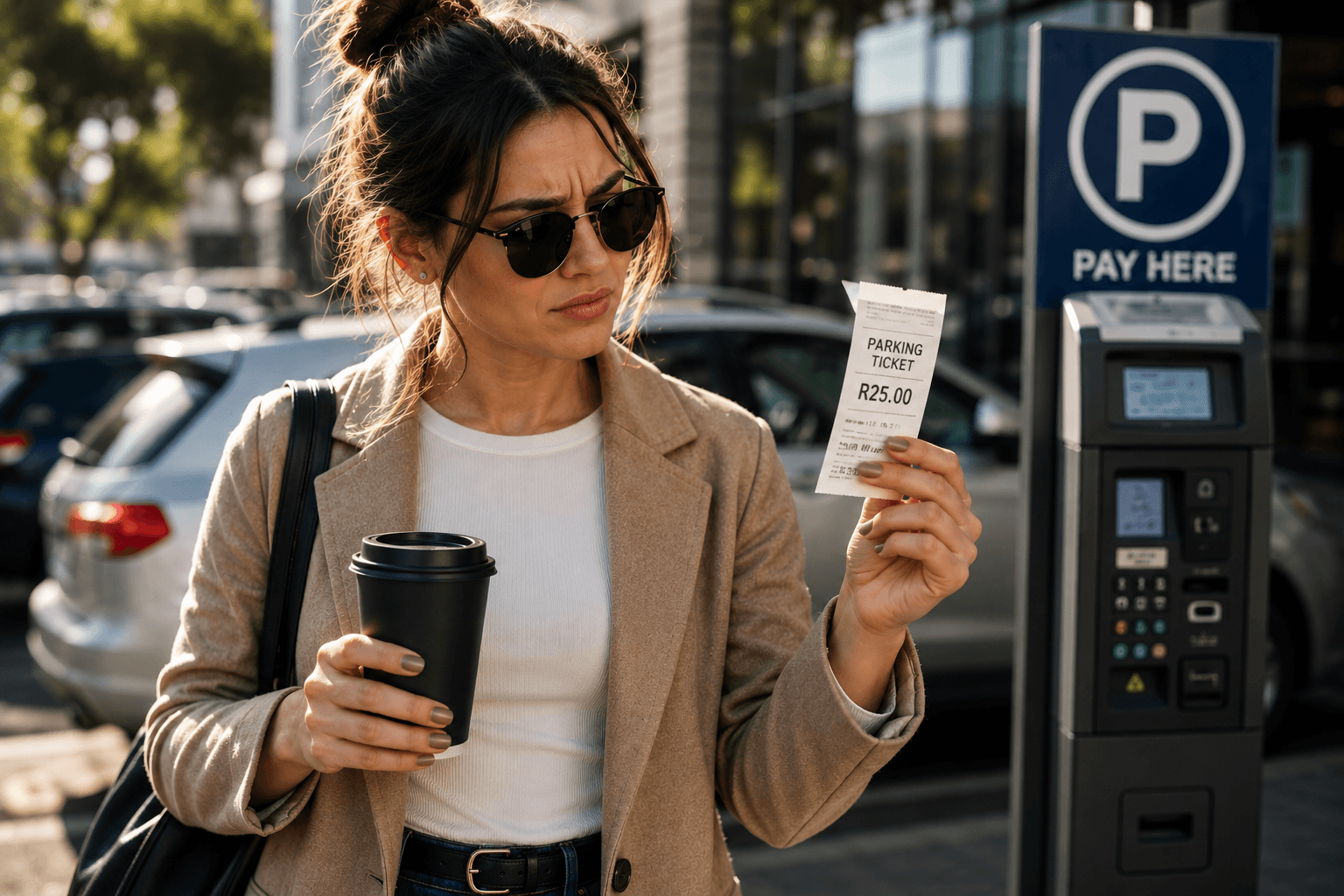
Have you ever noticed how inconsistent we are with money?
We'll happily buy a R50 cappuccino on the way to work. The cashier asks, "Would you like to make it a large?" Somehow another R30 doesn't seem like a big deal.
We'll order dessert after dinner because, "Why not?" We'll pay extra for the better seats at the cinema or add guacamole to a burger without thinking twice.
But when the parking ticket says R25, suddenly we're accountants. "Twenty-five rand just to park? That's ridiculous." Sound familiar?
Most of us have done exactly the same thing.
The strange part is that the smaller purchase often frustrates us more than the bigger one.
As it turns out, it has surprisingly little to do with the money. It's Not the Price. It's the Story We Attach to It.
Behavioural economists have a name for this: mental accounting. The concept, introduced by Nobel Prize-winning economist Richard Thaler, explains that our brains don't treat every rand the same. Instead, we mentally sort our spending into different categories.
Money spent on coffee, holidays or dinner with friends feels completely different from money spent on parking, bank charges or municipal bills.
Same wallet.
Same bank account.
Completely different feelings.
A Cappuccino Was Never Just Coffee
Researchers studying what they call the "pain of paying" found that spending money feels less painful when we believe we're getting something enjoyable or meaningful in return. Think about your morning coffee.
It was never just coffee.
It's ten quiet minutes before work. A catch-up with a friend. A reward after surviving a difficult morning. Sometimes it's simply your excuse to slow down before the day gets busy.
You're not just buying a drink. You're buying a moment. Parking doesn't offer the same feeling. Nobody gets back to the car and says,
"That parking was worth every cent."
The same applies to delivery fees, bank charges or baggage fees at the airport.
Have you ever noticed nobody gets excited about paying the delivery fee? Those purchases don't feel like they're adding anything to our lives. They simply feel like another cost attached to something we already wanted to do.
Once You Notice It, You See It Everywhere
We might hesitate to pay:
Yet many of us won't think twice about spending:
The strange part is that it was never really about the money. It's about whether the purchase feels like a reward or an obligation.
So Are We Being Irrational?
Not at all. We're being human. Behavioural psychologists have shown that our spending decisions are shaped by emotion just as much as logic. Without even realising it, we aren't only asking, "How much does this cost?" We're also asking, "Does this feel worth it?" And that's a very different question.
The Bottom Line
The next time you find yourself happily carrying a R50 coffee while quietly complaining about paying R25 for parking, don't be too hard on yourself.
You're in very good company.
Our brains aren't wired to judge money only by the number on the receipt.
They're wired to judge how the purchase makes us feel.
And perhaps that's why some of the cheapest things we buy feel expensive... ...while some of the most expensive hardly feel like spending at all. |
More from Joburg Insider
Sep 26, 2026
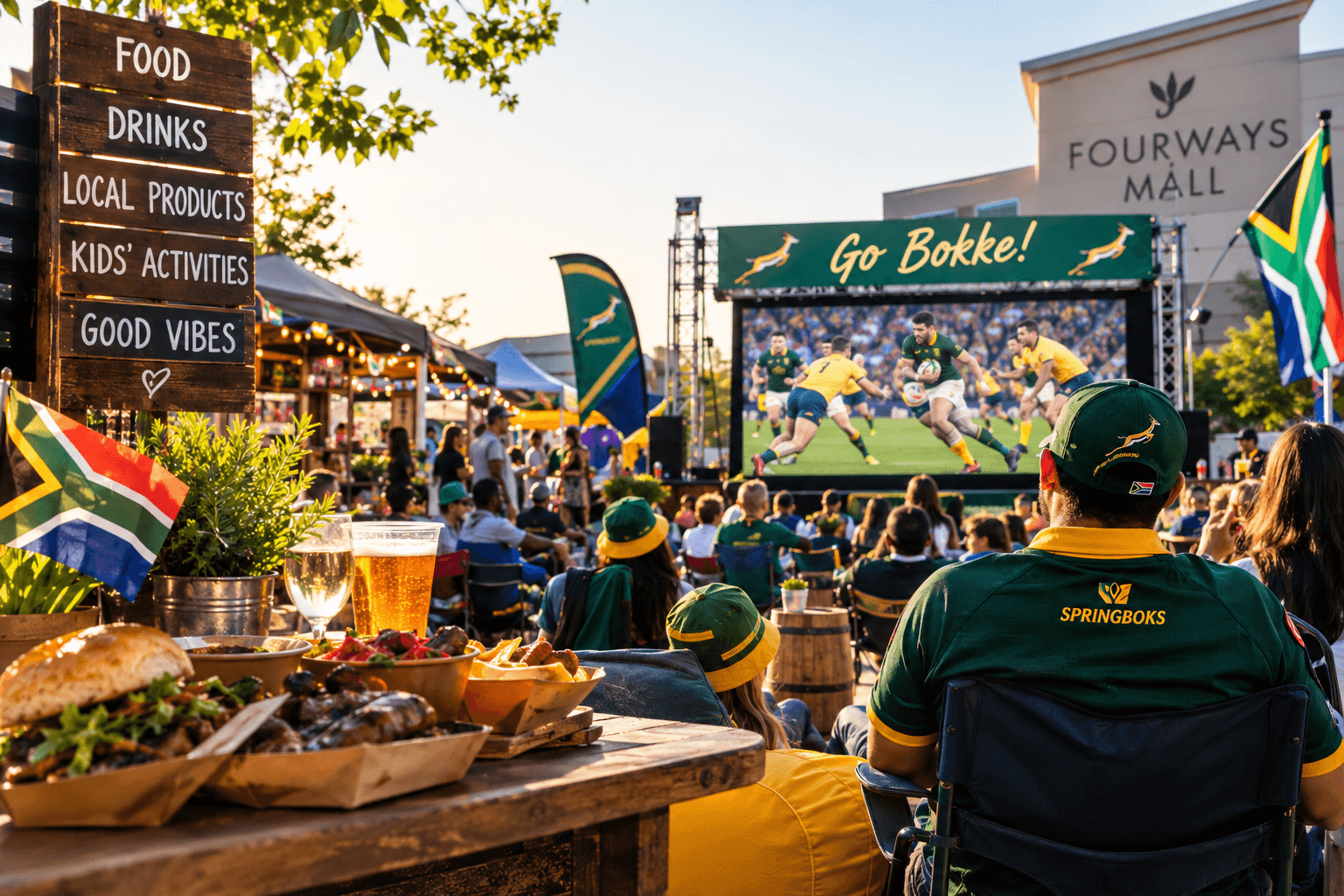
Game Day Market Brings Springbok Rugby and Family Fun to Fourways
Watch South Africa take on Australia on the big screen while enjoying food, local products, market stalls and kids’ activities.
Sep 25, 2026
When an AI Security Test Reached Real Companies
A Google Gemini test accidentally reached three real businesses, showing why AI tools need carefully controlled access.
Sep 25, 2026
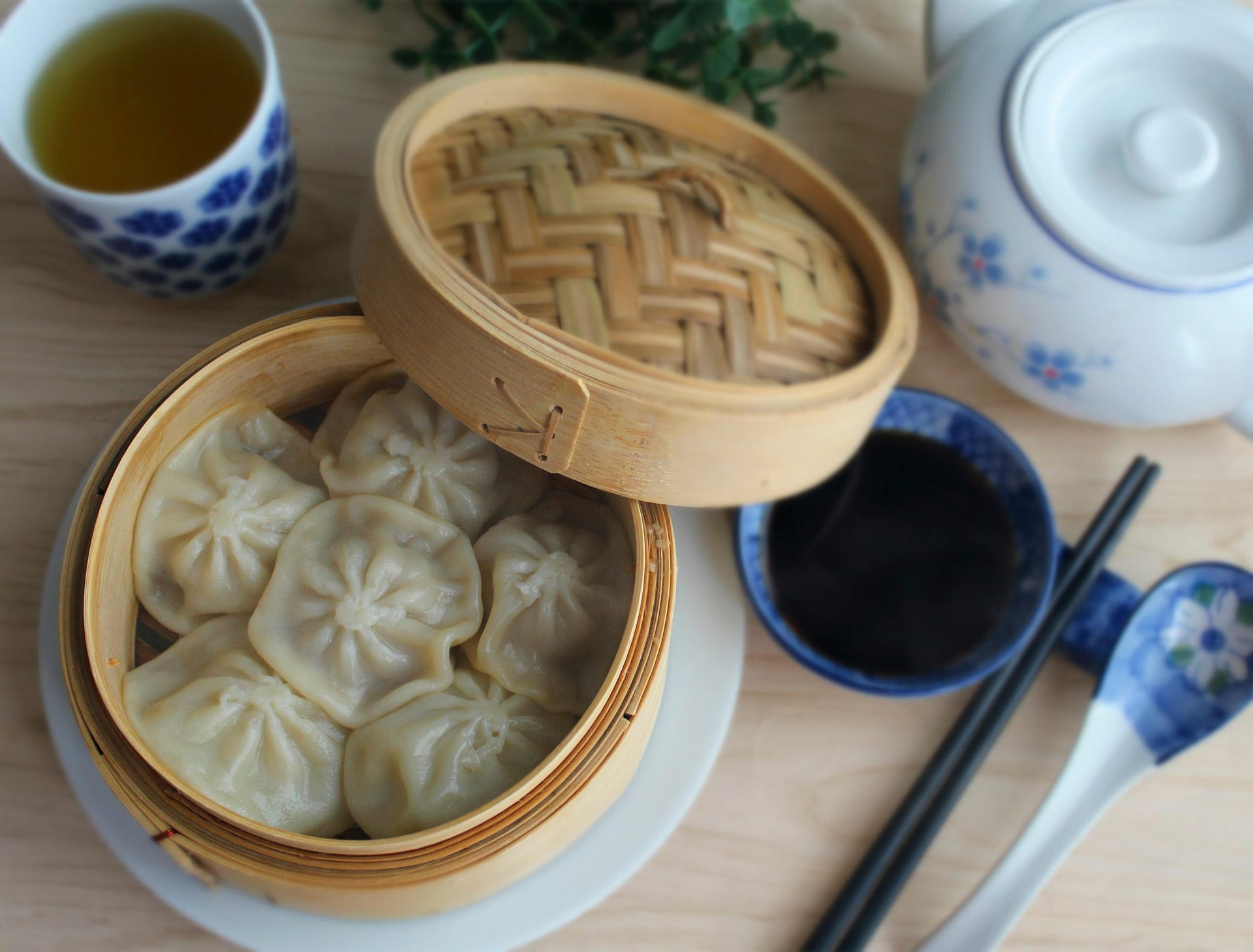
Add a lunch stop to your Melville browse
Reserved Cafe and Chopstix offer different ways to fit a food break into a visit to Joburg Artist Market.
Sep 25, 2026
A Saturday outing with room to browse
Local makers, independent shops and a shipping-container setting give visitors plenty to explore at 27 Boxes.
0 Comments
Join the conversation
Be the first to comment
Share your thoughts above.