
Your Next Grocery Barcode Could Tell You Much More |
South Africa’s retail industry is moving towards 2D barcodes that can do far more than identify a product at the till. |
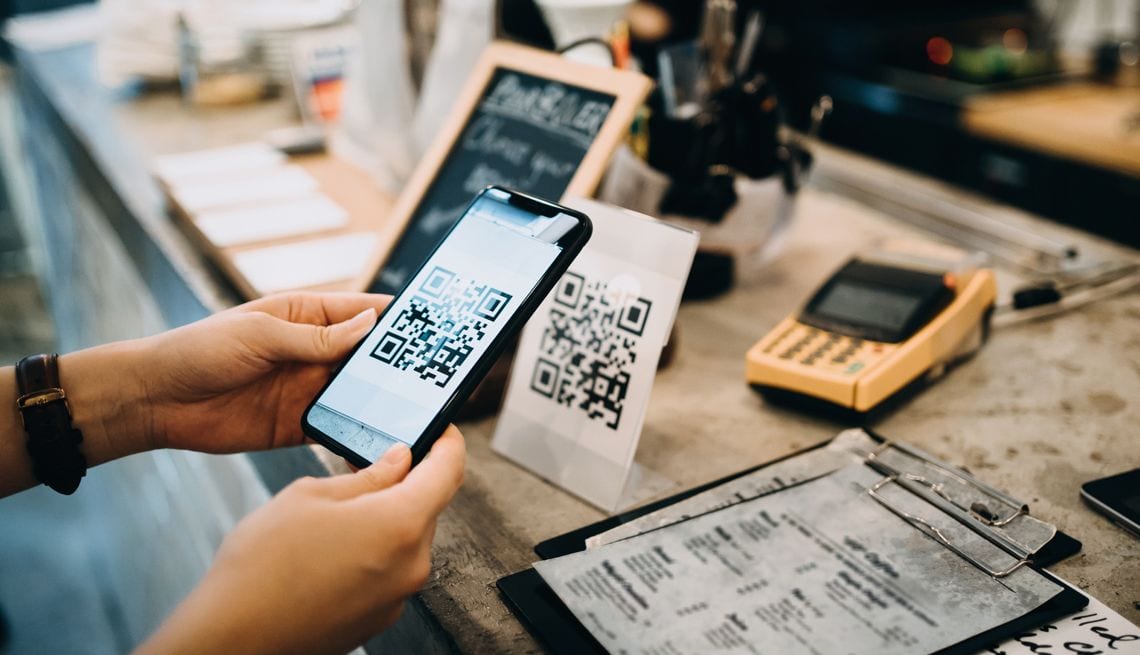
The barcode on your groceries has always been pretty simple. It helps the till identify the product, and that's about it. That is starting to change.
South Africa is part of the move towards 2D barcodes, including QR Codes powered by GS1 standards. These square codes can hold more information than the familiar lines on a traditional barcode and can also connect shoppers to online product information.
For consumers, that could eventually make checking what's in your trolley a little easier.
More than a quick scan at the till
A 2D barcode can carry information such as:
When a QR Code uses GS1 Digital Link, it can also connect shoppers to online information about the product.
Depending on what the brand provides, this could include:
In other words, the barcode could become a doorway to information rather than simply a way for the cashier to identify an item.
South Africa is already testing the possibilities
This isn't only something happening overseas.
GS1 South Africa says Woolworths and selected suppliers are already using 2D barcodes with GS1 standards, with applications including food safety and reducing food waste.
The technology can also help businesses track products more effectively through the supply chain.
That becomes particularly useful when a specific batch needs to be traced or recalled, or when retailers need more accurate information about products approaching their expiry dates.
What does this mean for you as a shopper?
For shoppers, the most interesting part is the information that could become available from the product itself.
Imagine wanting to check an ingredient or allergen before buying something. Instead of searching for the product online, you could potentially scan a QR Code and go directly to information supplied by the brand.
Depending on what the company provides, you could potentially find:
The idea is to make product information easier to access while you're holding it.
Don't expect every barcode to change overnight
This is where the 2027 date needs a little explanation.
GS1's Ambition 2027 is an industry goal for retail point-of-sale systems to read and process defined GS1-standard 2D barcodes alongside existing linear barcodes by the end of 2027.
It does not mean every product will suddenly have a new barcode in 2027.
The transition is expected to happen gradually, with traditional and 2D barcodes used alongside each other while retailers, brands and technology providers update their systems.
So if you go shopping tomorrow and see the same familiar barcode on your favourite products, nothing is wrong. The change is a gradual move rather than a single switchover date.
Will you need a special app?
For QR Codes powered by GS1, consumers can use a smartphone camera to access linked information.
What you see after scanning will depend on the information the brand has chosen to make available.
That means a new barcode doesn't automatically guarantee a huge amount of information. Companies still have to provide and maintain the digital content behind it.
Why it could matter beyond the supermarket shelf
The biggest change may actually happen behind the scenes.
More detailed product information can help retailers and suppliers:
For shoppers, that can mean better protection when a particular batch of a product needs to be identified or removed from sale.
GS1 South Africa says Woolworths and selected suppliers are using the technology in ways that include reducing food waste by up to 40%.
What to look out for
You don't need to change the way you shop right now.
But you may start seeing more square, QR-style codes appearing alongside the familiar barcode on products.
When that happens, don't assume it is simply another marketing QR Code.
A GS1-powered 2D barcode can potentially connect the physical product in your hand with information about that specific item, while also giving retailers and suppliers more useful data behind the scenes.
The Bottom Line
The barcode isn't disappearing tomorrow, and 2027 isn't a deadline for every product to have a new code.
But the humble grocery barcode is becoming capable of doing much more than telling a till what you've picked up.
As South African retailers and suppliers adopt the technology, shoppers could gradually gain easier access to useful information about what they are buying, while better product tracking could help with food safety, recalls and waste.
For now, the next time you see a little square code on a product, it may be worth scanning it. You might find out more than you expected. |
More from Joburg Insider
Sep 22, 2026
Privacy and access meet in the matric-results appeal
The Supreme Court of Appeal will hear a challenge over publishing results by examination number, with learners’ privacy and public access at the centre of the dispute.

Sep 22, 2026
More ways to get grant help
Online applications, WhatsApp support and free office Wi-Fi offer more ways to access grant services, while personal assistance remains available.

Sep 21, 2026
A chance paddle became a bigger ambition
The Gauteng kayaker has represented South Africa overseas and is developing her coaching skills alongside her own sporting ambitions.

Sep 21, 2026
Homemade carts take over Sandton Drive
The wild unpowered go kart race returns to Sandton Drive on 20 September 2026. Teams can still apply to compete.
0 Comments
Join the conversation
Be the first to comment
Share your thoughts above.