
What Brings a Flower and Its Pollinator Together? Climate Holds Clues |
An international study co-authored by a UKZN professor finds that temperature and rainfall help explain how closely plants and their pollinators depend on particular partners. |
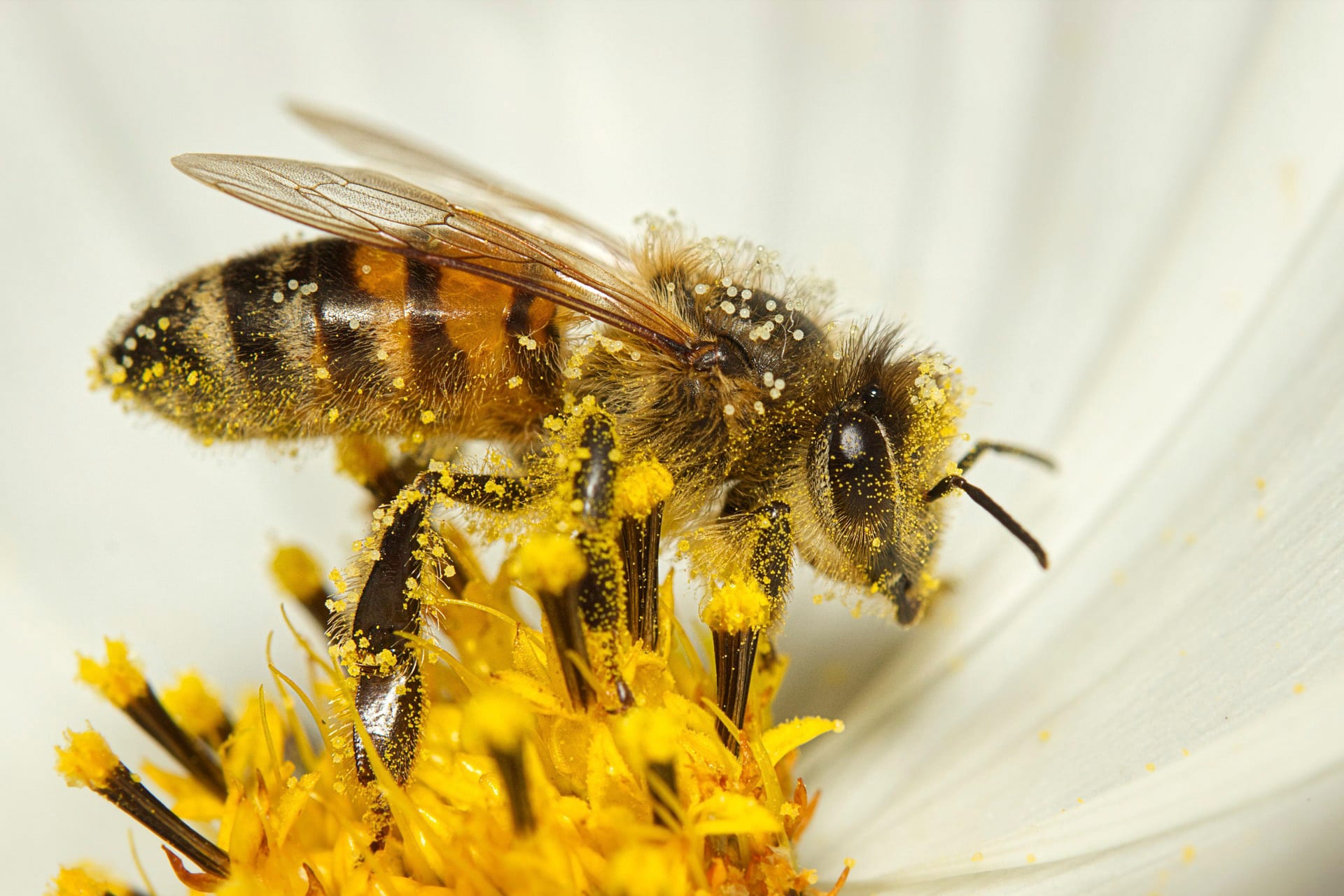
A flower can attract many visitors, but some plants depend on a much narrower group of pollinators. Understanding those relationships helps scientists work out how ecosystems function and how they might change.
A global study involving Professor Michael Lattorff of the University of KwaZulu-Natal has examined these partnerships across thousands of ecological networks. Its findings challenge the idea that relationships become steadily more specialised closer to the Equator.
Some Partnerships Are More Selective
Pollinators carry pollen between flowers, helping plants reproduce. In return, flowers can provide food such as nectar and pollen.
Bees are familiar examples, but flies, beetles, moths, butterflies and birds also perform this work. Some interact with many plant species; others depend on a smaller selection.
Researchers call this specialisation. A close partnership can make feeding and pollination efficient, but it can also leave fewer alternatives if a partner disappears or becomes active at a different time.
More Than a Line on a Map
Published in Nature Ecology & Evolution on 30 September 2026, the study analysed more than 3,400 plant-pollinator networks, containing over 110,000 recorded interactions. These networks describe which plants and pollinators interact and how frequently.
The researchers found no consistent increase or decrease in specialisation towards the Equator. Instead, temperature and rainfall were usually better predictors than latitude, the measure of how far a place lies north or south of the Equator.
The pattern also differed between groups. Birds and insects, for example, showed contrasting relationships with rainfall. No single climate rule explained every partnership.
Timing Matters as Well as Location
Changing temperatures and rainfall can affect where species live, when plants flower and when pollinators are active.
A specialised partnership may become vulnerable if those schedules no longer overlap. The lead researchers highlight this as a reason to understand the relationships themselves, alongside the species involved. Many fruit, vegetable, nut and oilseed crops also benefit from animal pollination.
The study identifies global associations. It does not establish a specific future loss of pollination or crop production in South Africa.
Southern Africa Needs More Local Evidence
UKZN’s account, published on 30 October, highlights an important regional gap. Lattorff says southern Africa remains understudied in plant-pollinator networks.
Its rainfall patterns, seasons and distinctive pollinator communities may produce relationships that differ from those documented in the Northern Hemisphere. More regional data is needed to make reliable predictions about local responses to climate change.
The Bottom Line
Protecting pollination means understanding connections: which animals visit which flowers, and whether they meet at the right time. This research provides a broader picture while showing why southern Africa’s own partnerships need closer study. |
More from Joburg Insider

Nov 3, 2026
One Binder, Clear Steps, Useful Information
One binder, clear sections and a few essential pages can help your family find important information when you cannot guide them.

Nov 3, 2026
Prepare Before Bringing a Pet Home
A home inspection, permission to keep pets and introductions to existing animals form part of finding the right match.

Nov 2, 2026
A Chance to Earn the Green and Gold
Two Bulls players are among the uncapped selections in Rassie Erasmus’s squad for November’s Nations Championship Tests.

Nov 2, 2026
Find Your Place in Local Community Action
Find practical ways to support your Johannesburg neighbourhood through residents’ associations, organised community action and better municipal fault reporting.
0 Comments
Join the conversation
Be the first to comment
Share your thoughts above.