
Lonehill Dam Revival Looks Beyond Clearing the Weeds |
Residents and specialists are exploring how better monitoring and sludge management could support the recovery of a northern Johannesburg landmark. |
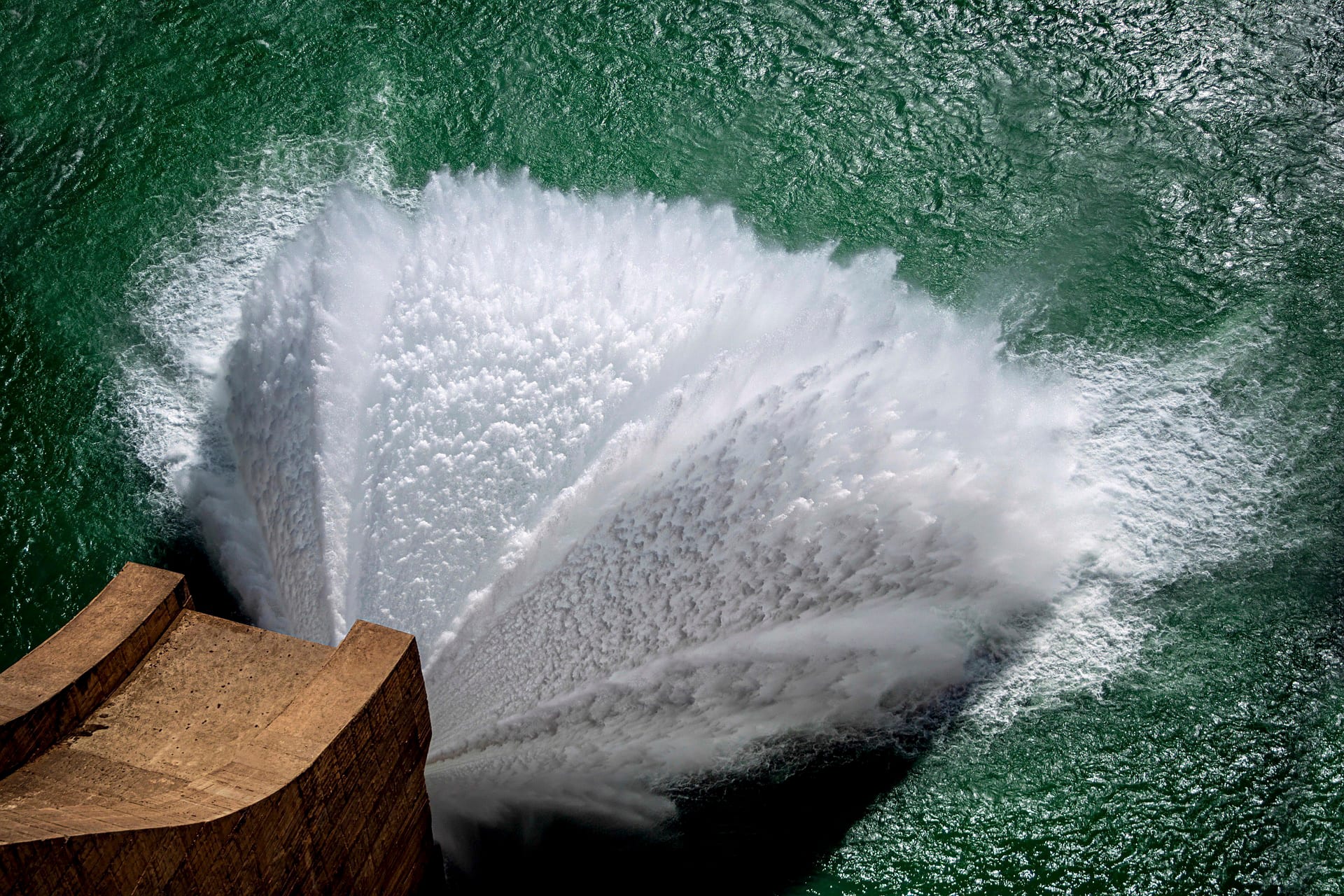
Removing weeds can improve a dam's appearance. Keeping them from returning means understanding what is happening beneath the surface and in the water flowing into it.
That is the challenge behind efforts to revive Lonehill Dam, where the residents’ association is working with environmental specialists, engineers and Johannesburg City Parks and Zoo on a restoration project. The association identifies ageing infrastructure, water loss and environmental pressures among the problems requiring attention.
Looking Beneath the Surface
During a site visit reported by Fourways Review on 30 October, specialists presented proposals for continuous water monitoring and biological sludge treatment.
Agricultural Research Council researcher Dr Kyle van Heyde proposed establishing baseline water-quality measurements, assessing accumulated sludge and mapping the dam’s underwater depth and shape. Those assessments would help guide rehabilitation decisions.
What Could the Technology Do?
Kyle Odgers of Mobile Blue presented a monitoring approach using sensors linked to a dashboard. Depending on the equipment installed, these could track:
Continuous readings could reveal changes missed by occasional sampling. Odgers said comparing monitoring points could also help narrow down where pollution enters the system.
The proposed sludge treatment, described as in-situ biodredging, would aim to break down accumulated organic material within the dam.
Progress Needs Clear Evidence
There are encouraging reports, but the precise implementation stage needs clarification.
SAnews reported on 30 October that rehabilitation was underway, attributing reduced weed growth and a lighter maintenance workload to the residents’ association. However, Fourways Review’s account published that day described the monitoring and sludge-treatment interventions as proposals without a confirmed implementation date.
The accounts do not establish which elements are operating and which remain planned. They should not be read as confirmation that the dam is fully restored.
Why It Reaches Beyond Lonehill
The dam forms part of a wider water network. SAnews reports that its outflow ultimately reaches the Jukskei River and Hartbeespoort Dam.
Addressing pollution here could therefore have downstream benefits. Sustained improvement also depends on dealing with sewage and other pollution entering the system, rather than repeatedly treating what accumulates in the dam.
Residents can follow the LRA’s Dam Revival Project. Community clean-ups must be arranged through nadeem@lra.org.za, at least a week beforehand.
The Bottom Line
The next useful milestone is a clear update showing which interventions are operating and what the measurements demonstrate. Better monitoring could help guide restoration, while stopping incoming pollution remains essential to protecting the progress made.
|
More from Joburg Insider

Nov 5, 2026
Put Bromhof’s Tin Road Market in Your Diary
The Tin Road Craft & Farmer’s Market offers food, local crafts and a family outing at Syringa Café this November.

Nov 5, 2026
Ballet Training Steps Into the Spotlight
The Russian School of Ballet’s Vaganova Showcase will take audiences inside the training process, from a dancer’s first formal exercises to advanced preparation.
Nov 4, 2026
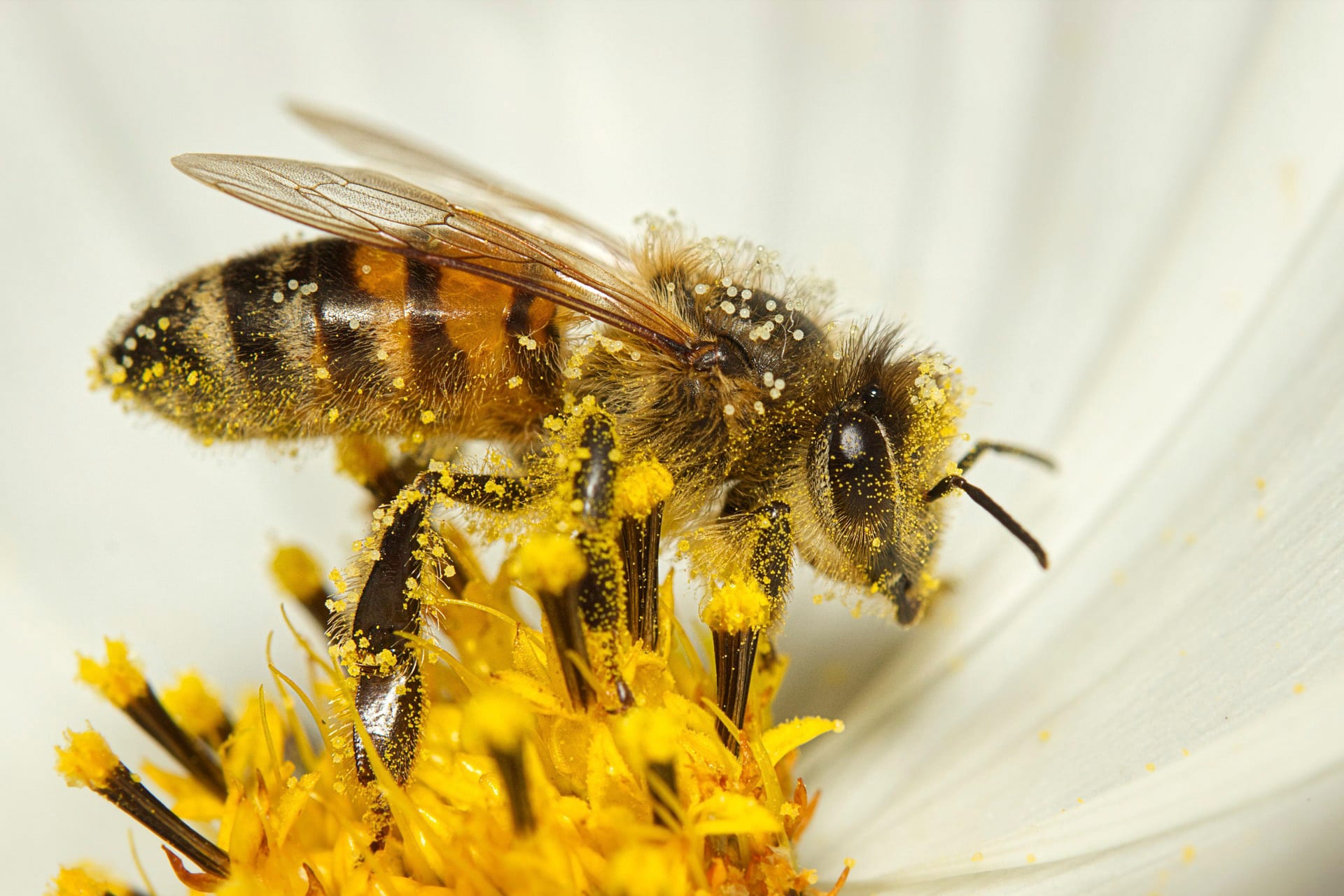
The Connections Behind Pollination
An international study co-authored by a UKZN professor finds that temperature and rainfall help explain how closely plants and their pollinators depend on particular partners.

Nov 3, 2026
One Binder, Clear Steps, Useful Information
One binder, clear sections and a few essential pages can help your family find important information when you cannot guide them.
0 Comments
Join the conversation
Be the first to comment
Share your thoughts above.