
Better Sleep Starts Earlier Than You Think |
You don't have to wait until your head hits the pillow to improve your sleep. Research shows your brain begins preparing for rest hours before bedtime, and the habits you follow during the evening could make all the difference to how well you sleep. |
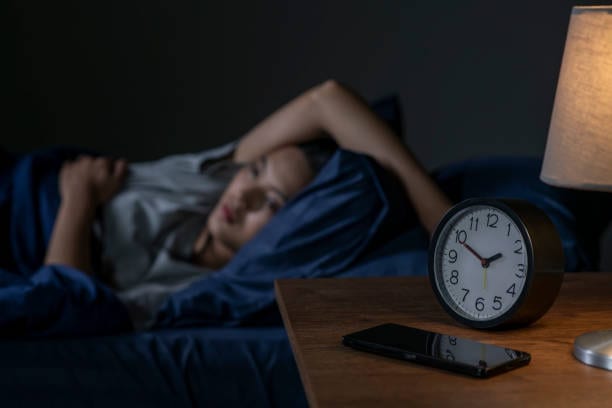
You don't need another alarm clock.
You need your brain to know it's time to rest.
Most of us assume sleep begins when our head touches the pillow. It doesn't.
According to sleep researchers, your brain actually starts preparing for sleep two to three hours before bedtime. During this time, your body begins releasing melatonin, the hormone that helps regulate your sleep cycle.
That's why what you do in the evening matters more than many people realise.
Scrolling through social media, answering work emails or watching bright screens late into the night exposes your eyes to blue light, which can suppress melatonin production and delay your body's natural sleep signals. In other words, your brain receives mixed messages. Your body feels exhausted, but your brain still thinks it's time to stay alert.
It's one of the reasons so many people struggle to fall asleep despite feeling completely worn out.
Modern life doesn't make it any easier.
Work deadlines, financial pressure, family responsibilities and a constant stream of notifications can leave your nervous system in a heightened state of alert. Sleep specialists call this hyperarousal, where the brain remains switched on instead of gradually winding down.
The interesting part is that your brain isn't trying to keep you awake. It's trying to protect you.
For thousands of years, staying alert helped humans survive danger. Today, that same protective system can be triggered by everyday stress, making it harder to relax even when you're lying safely in your own bed.
Fortunately, your brain also responds remarkably well to routine. Simple habits can help tell your body that it's safe to rest.
Dimming the lights an hour before bed, putting your phone away, avoiding caffeine late in the day and sticking to a regular bedtime all help reinforce your body's natural sleep rhythm. Reading a book, listening to calming music or practising slow breathing can also help your nervous system shift into a more restful state.
One of the most surprising discoveries in sleep science has nothing to do with bedtime at all.
It starts the following morning.
Exposure to natural sunlight within the first hour after waking helps set your body's internal clock. That morning light tells your brain when the day begins, making it much easier to produce melatonin at the right time that evening. Many sleep specialists now consider morning sunlight one of the simplest and most effective ways to improve sleep naturally.
And while you sleep, your brain is far from inactive.
During deep sleep, it activates what scientists call the glymphatic system. Think of it as your brain's overnight housekeeping team. This network helps wash away waste products that build up during the day, supporting healthy brain function and overall wellbeing.
Missing one night's sleep might not seem like a big deal, but research shows it can affect concentration, reaction time, memory, mood and decision-making the very next day. Many people feel they're functioning normally after a poor night's sleep, yet studies consistently show our performance often declines more than we realise.
That's why good sleep isn't a luxury. It's one of the foundations of good health.
The Bottom Line
Better sleep doesn't begin when you climb into bed. It begins with the choices you make throughout the evening and even the way you start your morning.
Helping your brain recognise when it's time to switch off isn't about following complicated routines or buying expensive gadgets. It's about working with your body's natural rhythms instead of against them.
Sometimes the smallest habits, like putting your phone down a little earlier or stepping outside into the morning sunshine, can make the biggest difference.
After all, a good night's sleep isn't just about waking up feeling refreshed.
It's one of the best investments you can make in your health, your mood and your ability to enjoy tomorrow. |
More from Joburg Insider

Sep 22, 2026
Privacy and access meet in the matric-results appeal
The Supreme Court of Appeal will hear a challenge over publishing results by examination number, with learners’ privacy and public access at the centre of the dispute.

Sep 22, 2026
More ways to get grant help
Online applications, WhatsApp support and free office Wi-Fi offer more ways to access grant services, while personal assistance remains available.

Sep 21, 2026
A chance paddle became a bigger ambition
The Gauteng kayaker has represented South Africa overseas and is developing her coaching skills alongside her own sporting ambitions.

Sep 21, 2026
Homemade carts take over Sandton Drive
The wild unpowered go kart race returns to Sandton Drive on 20 September 2026. Teams can still apply to compete.
0 Comments
Join the conversation
Be the first to comment
Share your thoughts above.