
A New Medical Assistant Is Helping Doctors Spot Disease Earlier |
Artificial intelligence is becoming a valuable partner in modern healthcare, helping doctors analyse medical scans, identify diseases earlier and spend more time focusing on patients. While it's not replacing medical professionals, it could make getting the right diagnosis quicker and more accurate. |
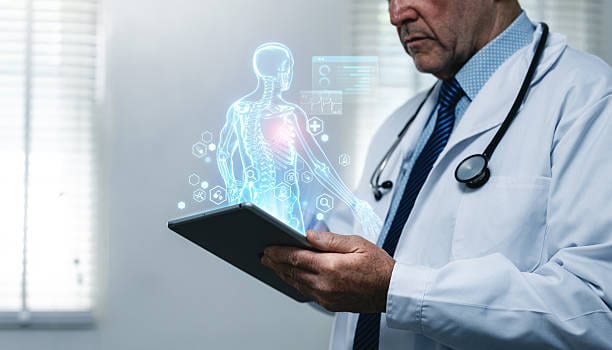
Waiting for medical test results can be one of the most stressful experiences anyone faces.
Whether it's a mammogram, chest X-ray, CT scan or heart test, every extra day spent waiting for answers can feel like a lifetime.
That's why one of the most promising uses of artificial intelligence isn't writing emails or creating images. It's helping doctors diagnose illness sooner.
Around the world, hospitals are increasingly using AI-powered tools to analyse medical images, identify patterns, and flag potential problems that warrant closer review. Rather than making the diagnosis itself, the technology serves as a second set of eyes, helping doctors spot abnormalities they might otherwise spend more time searching for.
The biggest advantage isn't replacing medical expertise. It's saving time.
AI systems can analyse thousands of medical images in seconds, allowing radiologists and specialists to prioritise urgent cases while spending more time with patients who need complex care. For conditions such as breast cancer, lung disease, strokes and heart conditions, finding a problem earlier can make a significant difference to treatment and recovery.
Researchers are also seeing encouraging results in rare diseases. In one recent international study, AI helped medical researchers identify additional diagnoses in children with rare genetic conditions that had remained unexplained despite years of specialist investigations. The technology didn't make the final diagnosis, but it helped doctors uncover new possibilities that led to confirmed answers after further testing.
The good news is that this isn't something happening only overseas. South African healthcare providers are already introducing AI-assisted tools in areas such as medical imaging, tuberculosis screening and radiology support. While adoption varies across hospitals and healthcare groups, experts expect these technologies to become increasingly common as healthcare systems seek to improve efficiency and support overstretched medical teams.
For patients, that could mean more than simply embracing new technology.
It could mean receiving important answers sooner.
Why This Matters
Earlier diagnosis can make a real difference for many serious conditions.
AI-assisted systems are helping doctors: Prioritise urgent scans more quickly. Detect subtle changes that may need further investigation. Reduce reporting times for some medical images. Support specialists who are managing large numbers of patients. Spend more time focusing on treatment rather than routine image review.
The final diagnosis still belongs to the doctor. AI simply provides another tool to help them make informed decisions.
The Bottom Line
Artificial intelligence isn't replacing doctors. It's helping them do what they do best.
As South Africa continues to invest in modern healthcare, AI has the potential to shorten waiting times, support medical specialists, and improve the early detection of serious diseases. For patients, that could mean quicker answers, earlier treatment and greater peace of mind when it matters most. |
More from Joburg Insider
Sep 22, 2026
Privacy and access meet in the matric-results appeal
The Supreme Court of Appeal will hear a challenge over publishing results by examination number, with learners’ privacy and public access at the centre of the dispute.

Sep 22, 2026
More ways to get grant help
Online applications, WhatsApp support and free office Wi-Fi offer more ways to access grant services, while personal assistance remains available.

Sep 21, 2026
A chance paddle became a bigger ambition
The Gauteng kayaker has represented South Africa overseas and is developing her coaching skills alongside her own sporting ambitions.
Sep 21, 2026
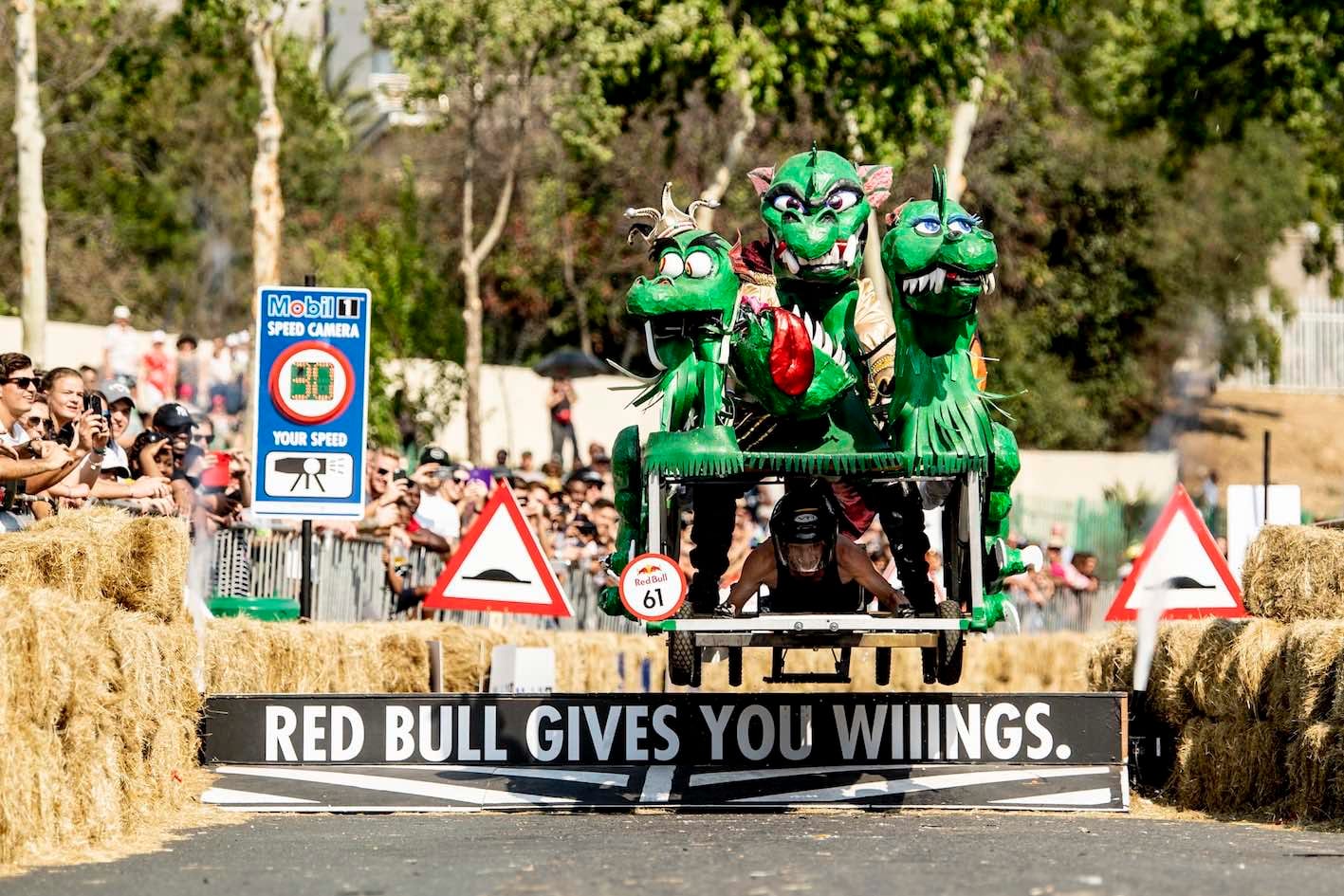
Homemade carts take over Sandton Drive
The wild unpowered go kart race returns to Sandton Drive on 20 September 2026. Teams can still apply to compete.
0 Comments
Join the conversation
Be the first to comment
Share your thoughts above.