
Could Saving the Food We Already Grow Help Feed More People? |
A surprising amount of food is lost before it reaches our plates. New research suggests something as simple as keeping fresh produce cooler could help save more of it. |
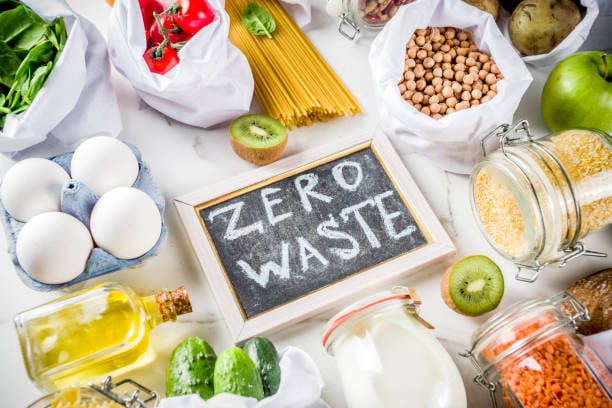
South Africa has enough agricultural capacity and food resources to feed its population, yet many households still struggle to get enough to eat. At the same time, an estimated 10.3 million tonnes of food is lost or wasted each year.
The surprising part is that much of this waste doesn't begin in our kitchen bins.
Food can be lost while it is harvested, stored, processed, transported and sold. CSIR research estimates that almost half of the country's food losses and waste occur during processing and manufacturing, with another 19% during post-harvest handling and storage.
Sometimes, temperature makes a big difference.
Recent research looked at three years of data from a Gauteng fresh-produce market and found that between 9,124 and 17,969 tonnes of fresh produce were discarded annually.
The researchers found that warmer conditions were associated with greater losses, highlighting the importance of keeping fruit and vegetables properly cooled as they move through the food chain. It sounds simple, but fresh produce has a long journey.
It may travel from a farm to a packhouse, truck, fresh-produce market, trader or retailer before eventually reaching someone's kitchen. Better cooling and storage can slow deterioration and give that food more time to be sold and eaten.
There is an opportunity in what we're losing
This isn't only about saving food.
Every crop that goes to waste has already required land, water, energy, labour and transport. Losing the food means losing some of those resources too.
And there is another important opportunity. Fresh-produce markets connect farmers with retailers and smaller traders, helping move fruit and vegetables into communities. Gauteng's municipal markets, for example, operate as wholesale hubs connecting producers and buyers.
Keeping produce fresh longer therefore benefits the whole chain.
It could mean less waste for farmers and traders, better use of what has already been grown and more food surviving long enough to reach consumers.
Cold rooms won't solve hunger.
There is an important limit to the idea.
Food can be sitting perfectly fresh on a shelf and still be out of reach if a family cannot afford it.
South Africa's food problem is therefore about more than waste. Income, food prices and access matter too. That is one reason the SA Human Rights Commission has been investigating the country's food system in 2026, including affordability and access to food.
But that doesn't make preventing waste any less worthwhile.
We already know how to do many of the things that can help: better storage, refrigeration, transport and handling.
The Bottom Line
We don't always need to grow more food to make progress. Getting better at protecting the food we've already grown is a practical place to start.
It won't solve hunger on its own, but more food reaching a plate instead of becoming waste is a win worth pursuing. |
More from Joburg Insider
Sep 22, 2026
Privacy and access meet in the matric-results appeal
The Supreme Court of Appeal will hear a challenge over publishing results by examination number, with learners’ privacy and public access at the centre of the dispute.

Sep 22, 2026
More ways to get grant help
Online applications, WhatsApp support and free office Wi-Fi offer more ways to access grant services, while personal assistance remains available.

Sep 21, 2026
A chance paddle became a bigger ambition
The Gauteng kayaker has represented South Africa overseas and is developing her coaching skills alongside her own sporting ambitions.

Sep 21, 2026
Homemade carts take over Sandton Drive
The wild unpowered go kart race returns to Sandton Drive on 20 September 2026. Teams can still apply to compete.
0 Comments
Join the conversation
Be the first to comment
Share your thoughts above.