
Could Smart Technology Finally Keep Johannesburg's Traffic Lights Working? |
Traffic light theft and vandalism have frustrated Gauteng motorists for years, causing delays, increasing accident risks and costing millions to repair. Now, authorities are investing in smarter technology designed to protect intersections before they become another victim of cable theft. |
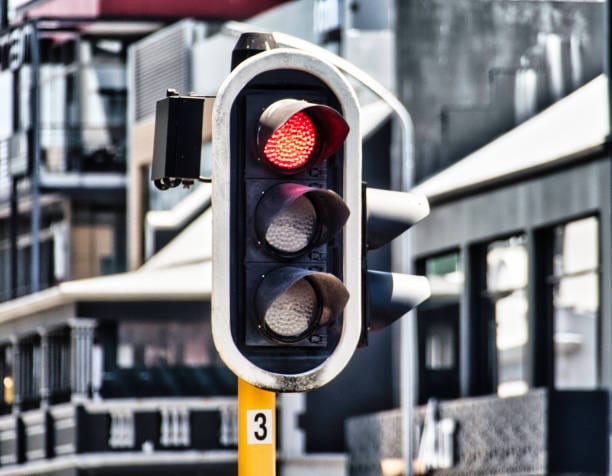
Few things unite Johannesburg drivers quite like a broken traffic light.
You spot the flashing hazards in the distance, traffic begins to slow, and before long a short journey turns into a frustrating wait. It's something most motorists have experienced, and it's become an all-too-familiar part of driving across Gauteng.
What many people don't realise is that every failed traffic light costs far more than a few extra minutes.
Congestion increases, fuel is wasted, emergency vehicles are delayed, and the risk of accidents rises significantly. Municipalities then spend millions replacing damaged infrastructure instead of investing that money in improving roads and transport services. While power failures sometimes play a role, cable theft and vandalism remain among the biggest reasons traffic lights stop working.
For years, the response was largely reactive. Equipment was stolen, intersections failed, and repair teams were sent out to replace damaged equipment. Unfortunately, many of those same intersections were targeted again only weeks or months later. Now Gauteng is trying a different approach.
Instead of repeatedly replacing stolen equipment after the damage has been done, engineers are focusing on making intersections harder to target in the first place.
The Johannesburg Roads Agency (JRA), together with the Gauteng Provincial Government, is expanding the use of smarter security technology at traffic signal sites. Upgraded controller boxes are fitted with electronic access systems that record every authorised opening. If someone attempts to force open a box, alerts can be sent immediately to monitoring centres and law enforcement.
At selected pilot sites, underground sensors are also being used to detect digging activity near traffic signal cables before thieves reach the infrastructure. Stronger controller boxes, improved underground chambers, security bollards and intelligent CCTV systems are also being introduced to make intersections more difficult to vandalise and easier to monitor.
The technology isn't only about security.
Some upgraded intersections are equipped with intelligent cameras that collect traffic data, allowing engineers to better understand congestion patterns and optimise signal timing during busy periods. That means the same technology that helps protect infrastructure could also improve traffic flow.
It's a significant shift in thinking.
The goal is no longer simply to repair damaged intersections as quickly as possible. It's to reduce the number of failures in the first place.
There is still a long way to go.
According to the Gauteng Provincial Government, 4,786 traffic signals across the province are currently operational, while 699 intersections still require restoration. Theft and vandalism continue to be among the biggest obstacles.
Motorists shouldn't expect overnight results.
The upgrades are being rolled out in phases, and rebuilding years of damaged infrastructure takes time. But if the technology proves successful, drivers should gradually experience fewer traffic light failures, faster responses when faults occur and more reliable journeys across Gauteng.
For anyone who spends time on Johannesburg's roads, that's encouraging progress.
The Bottom Line
Most of us only notice traffic lights when they stop working. If Gauteng's investment in smarter technology succeeds, the biggest change won't be the cameras, sensors or electronic locks. It will be something far simpler.
More intersections that just work. Fewer unnecessary delays. And a city that keeps moving a little more smoothly. |
More from Joburg Insider
Sep 22, 2026
Privacy and access meet in the matric-results appeal
The Supreme Court of Appeal will hear a challenge over publishing results by examination number, with learners’ privacy and public access at the centre of the dispute.

Sep 22, 2026
More ways to get grant help
Online applications, WhatsApp support and free office Wi-Fi offer more ways to access grant services, while personal assistance remains available.

Sep 21, 2026
A chance paddle became a bigger ambition
The Gauteng kayaker has represented South Africa overseas and is developing her coaching skills alongside her own sporting ambitions.
Sep 21, 2026
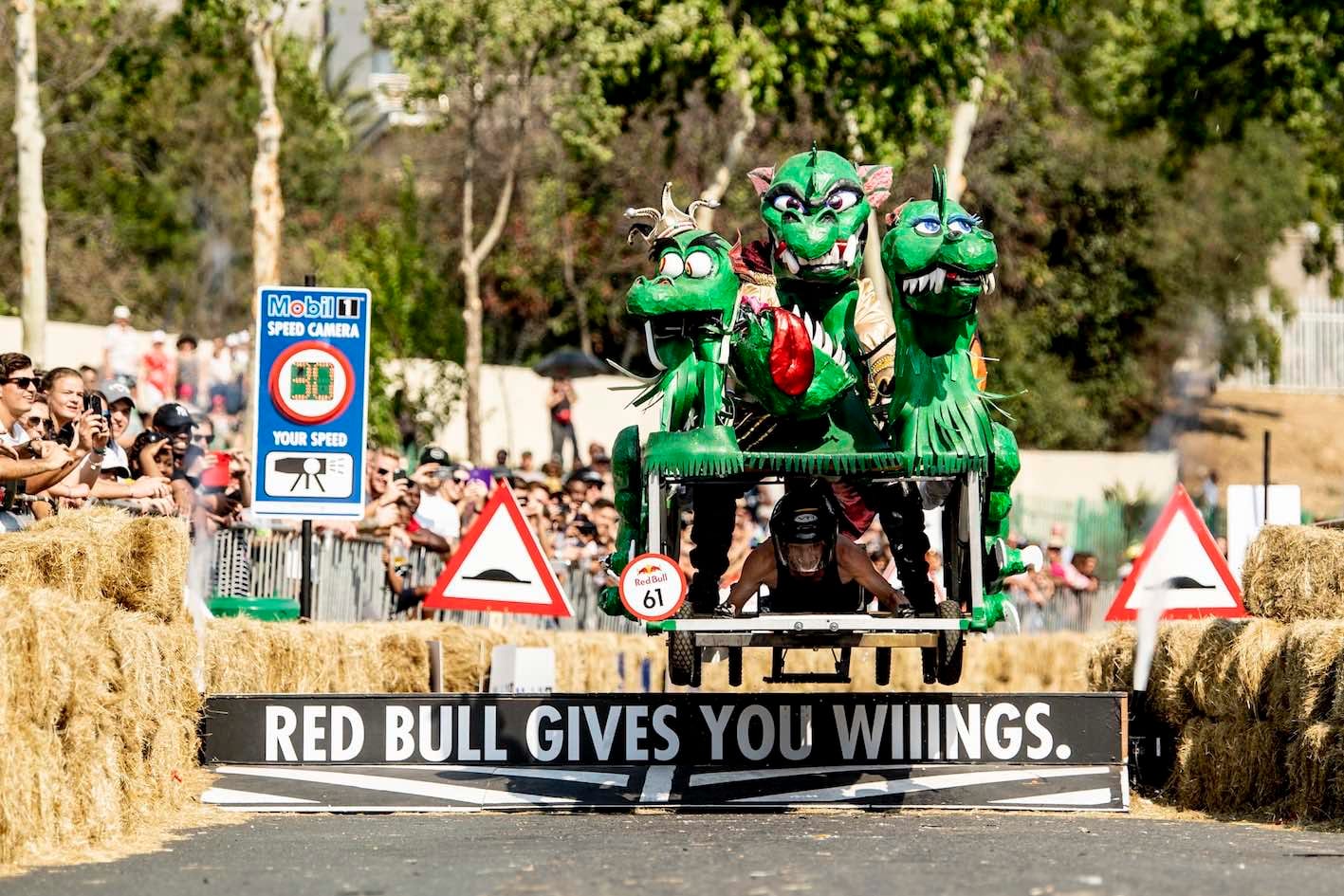
Homemade carts take over Sandton Drive
The wild unpowered go kart race returns to Sandton Drive on 20 September 2026. Teams can still apply to compete.
0 Comments
Join the conversation
Be the first to comment
Share your thoughts above.