
This Robot Borrows an Octopus’s Sense of Touch |
Tiny sensors inside artificial suckers help a flexible robotic arm judge its grip, opening possibilities for machines that handle delicate objects. |

Pick up a ripe peach, and your fingers adjust almost without thought. You need enough pressure to hold it, but not enough to bruise it.
Teaching a machine to make those adjustments is harder than it sounds. Researchers in Italy have taken inspiration from an animal particularly good at gripping: the octopus.
Their 2026 study, published in Nature Machine Intelligence, demonstrates a soft robotic arm that senses contact through artificial suckers and uses that information to grasp objects underwater.
A flexible arm with touch built in
The prototype measures 41cm long and carries 10 artificial suckers. Cables inside its soft body allow it to bend and twist around objects.
Its touch sensors use light. Inside each sucker, tiny LEDs shine onto material that deforms when pressed. Light detectors register the changing reflections, helping the robot calculate how strongly something is pushing and from which direction.
That information guides its grip. Individual suckers can respond to contact while the control system coordinates the arm’s larger movements.
The octopus’s clever contribution
An octopus processes a substantial amount of sensory information within its arms. This helps it respond locally as it explores and handles objects.
The team at the Italian Institute of Technology, led by Barbara Mazzolai, borrowed that principle. Their robot combines sensing and movement along the arm, allowing it to adjust as it makes contact.
The researchers see potential for handling fragile objects underwater and carrying out inspection or maintenance in difficult-to-reach environments. They are now working to increase its carrying capacity and the variety of objects it can grasp.
From underwater gripping to gentler everyday tools
Other researchers are exploring how octopus-inspired technology could help with familiar tasks.
At the University of Bristol, a separate study published in 2025 developed a soft robotic system that uses air or water flow to grip objects and sense its surroundings.
The team identified several possible applications:
Bristol’s researchers are working to make their system smaller and more robust for practical use. The promise is machinery that can respond to what it touches, including objects that are soft, slippery or easily damaged.
The Bottom Line
Holding something securely is only half the task. Knowing when to soften or adjust a grip is what makes these designs worth watching, especially for jobs where a heavy touch can cause damage. |
More from Joburg Insider

Sep 25, 2026
A Saturday outing with room to browse
Local makers, independent shops and a shipping-container setting give visitors plenty to explore at 27 Boxes.
Sep 24, 2026
Clearer markings at a Sunninghill intersection
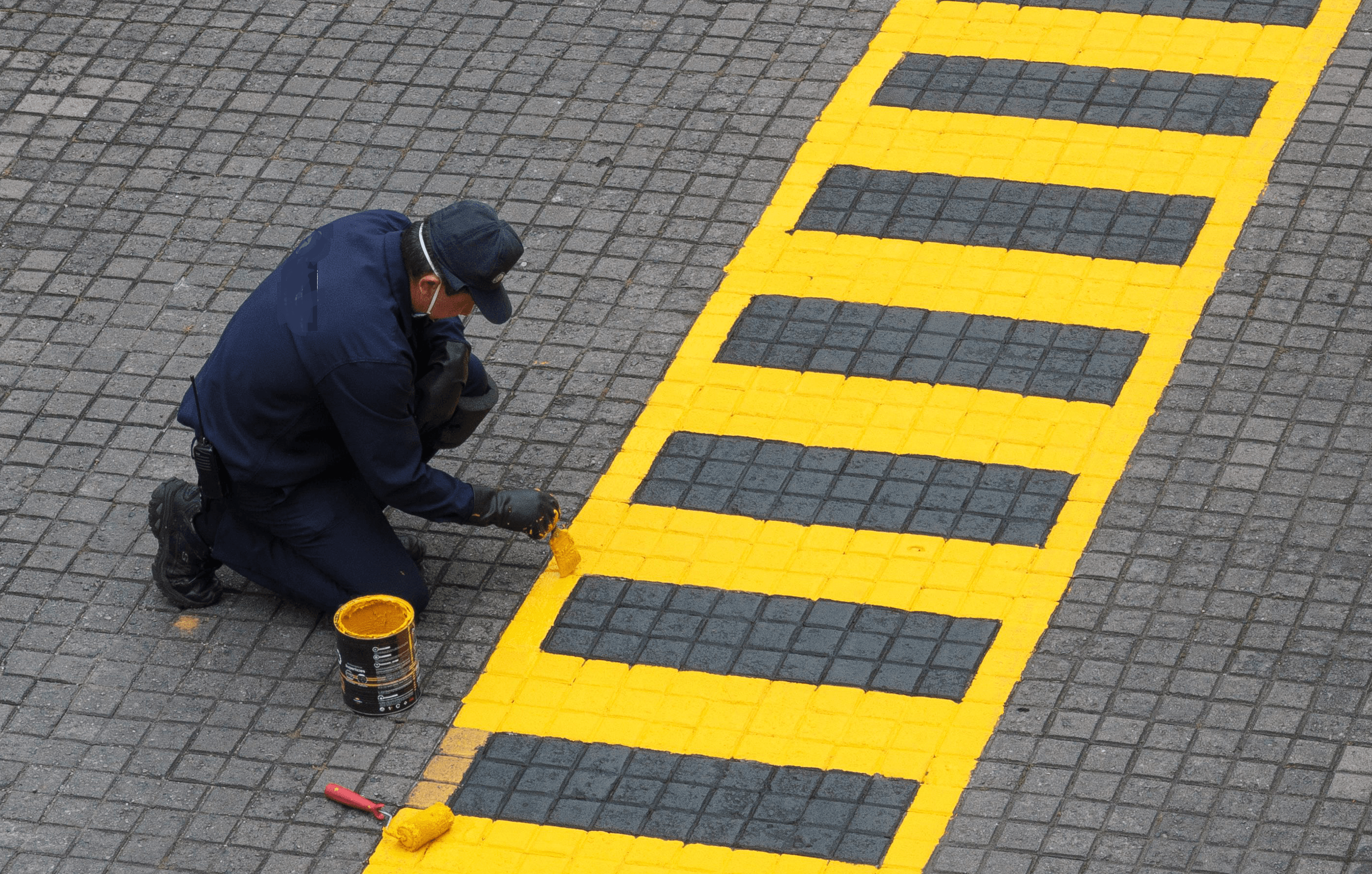
Repainting at Tudor Avenue and Spitfire Street follows concerns about faded lines, with residents able to report other problem spots directly to the roads agency.

Sep 24, 2026
Small notes with a meaningful message
A school project with Latita Africa gave learners a creative way to reflect on women’s dignity and self-worth.
Sep 23, 2026
A useful check before opening the gate
An official verification service can help you check a fieldworker’s identity before answering questions or allowing access to your home.
0 Comments
Join the conversation
Be the first to comment
Share your thoughts above.