
You Call It Portuguese Food. But Is It? |
Peri-peri chicken, prawns, garlic and fiery sauces are familiar favourites, but the food many of us call Portuguese has a distinctly African story. |
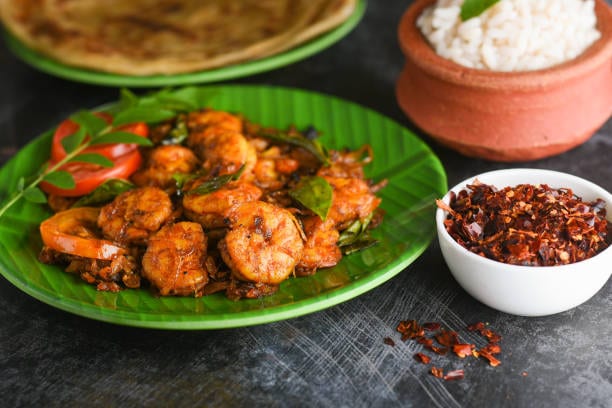
Ask someone what they fancy for dinner and “Portuguese” might immediately bring to mind flame-grilled chicken, hot peri-peri sauce and a plate of prawns.
But that description doesn't tell the whole story.
Much of the food South Africans have come to know and love as Portuguese has roots in a meeting of cultures in southern Africa, particularly Mozambique and Angola.
It's often described as Afro-Portuguese or Afro-Lusitanian food.
So what makes it different?
Mozambique's food reflects centuries of different influences.
Its long Indian Ocean coastline made seafood an obvious part of the table, while local African ingredients and cooking traditions mixed over time with Portuguese and Indian influences.
The result includes prawns and other seafood, grilled chicken, coconut milk, peanuts and cashews, cassava leaves, garlic and, of course, piri-piri.
One traditional dish that shows just how much more there is to Mozambican food than chicken is matapa, made with cassava leaves and a peanut-based sauce, often served with crab or prawns. And then there's the flavour most South Africans immediately recognise.
Peri-peri has travelled a long way
Even peri-peri isn't simply Portuguese.
The fiery chilli became part of cooking in southern Africa, where it was combined with ingredients such as garlic and citrus to create the hot, sharp flavour now associated with Afro-Portuguese cooking.
Even its name tells part of the story. Piri-piri is the Portuguese spelling, while peri-peri became the familiar South African version. Today, it's so familiar that we rarely stop to wonder where it came from.
You can taste the influence close to home
You don't need to travel to Mozambique to recognise these flavours. Mozambik is one restaurant group built around what it calls Afro-Porto cuisine. It started with a single restaurant in Ballito about 19 years ago and now says it has 35 restaurants in South Africa and seven elsewhere in southern Africa.
Its menu draws on this food tradition, particularly prawns, seafood, and flame-grilled chicken, alongside its own sauces, bastings, and spice blends.
But Mozambik is really just one modern example of a food culture that has been part of South African eating for decades.
The Bottom Line
The next time someone suggests going out for “Portuguese”, you'll know there's another story sitting on the plate.
Those prawns, that grilled chicken, and the bottle of peri-peri aren't simply Portuguese. They're part of a much bigger African food story shaped by cultures meeting, cooking and borrowing from one another over centuries. |
More from Joburg Insider
Sep 22, 2026
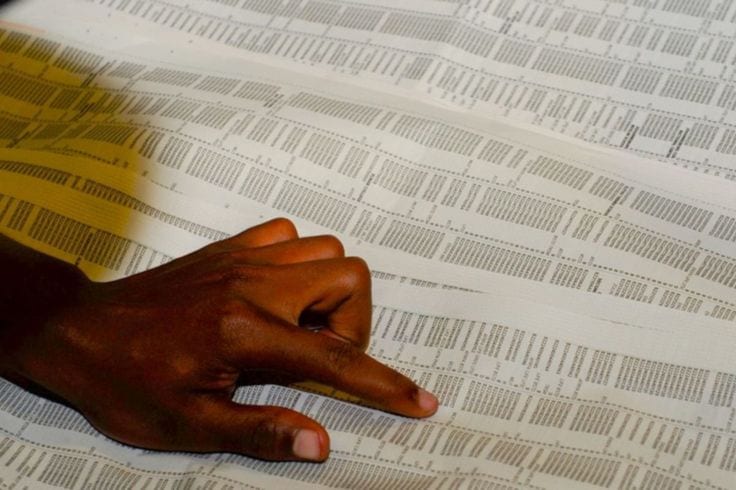
Privacy and access meet in the matric-results appeal
The Supreme Court of Appeal will hear a challenge over publishing results by examination number, with learners’ privacy and public access at the centre of the dispute.

Sep 22, 2026
More ways to get grant help
Online applications, WhatsApp support and free office Wi-Fi offer more ways to access grant services, while personal assistance remains available.

Sep 21, 2026
A chance paddle became a bigger ambition
The Gauteng kayaker has represented South Africa overseas and is developing her coaching skills alongside her own sporting ambitions.
Sep 21, 2026
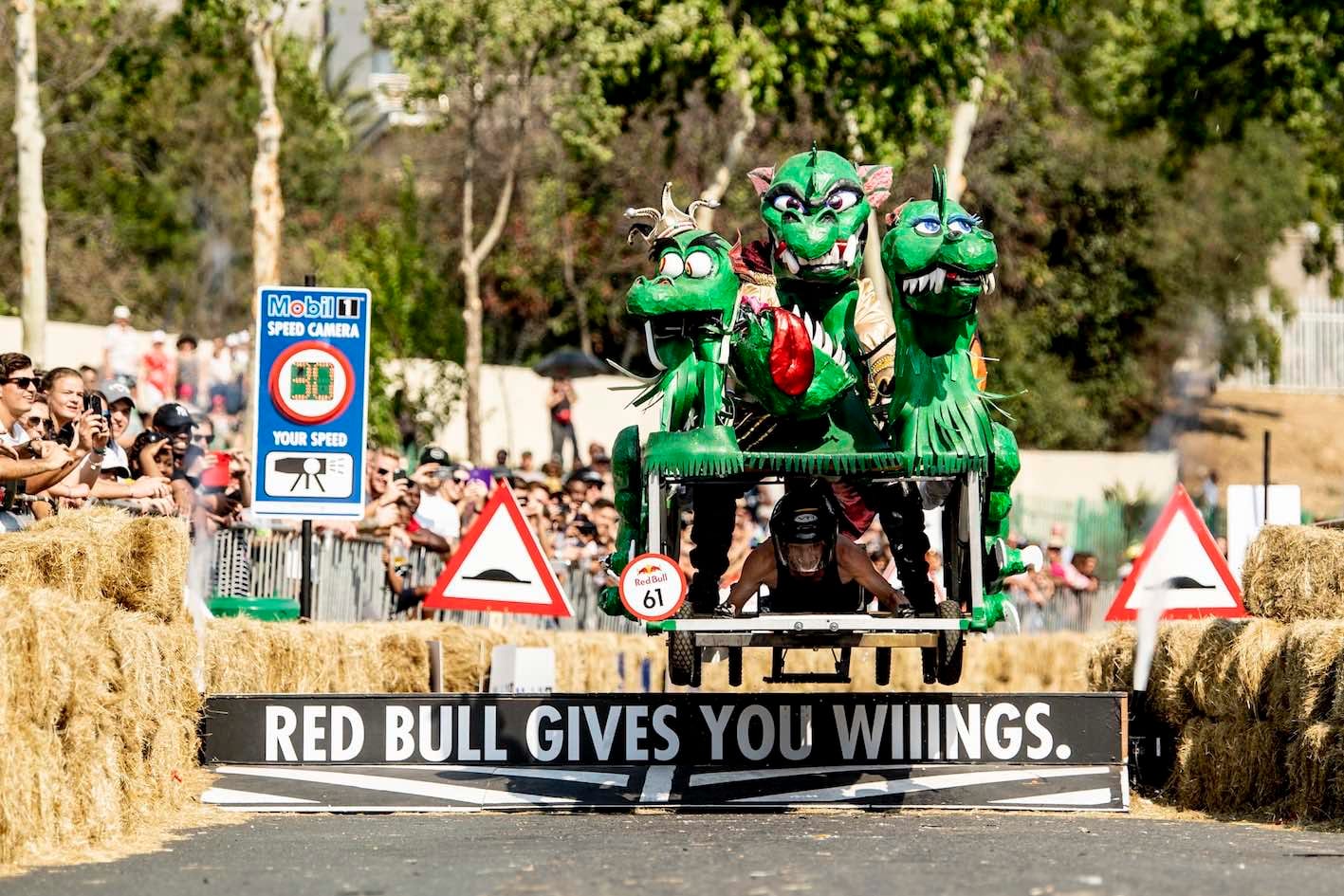
Homemade carts take over Sandton Drive
The wild unpowered go kart race returns to Sandton Drive on 20 September 2026. Teams can still apply to compete.
0 Comments
Join the conversation
Be the first to comment
Share your thoughts above.