
Puppy school teaches the person holding the lead, too |
Early training helps owners understand their puppy and teach everyday skills, from coming when called to staying comfortable during a vet check. |
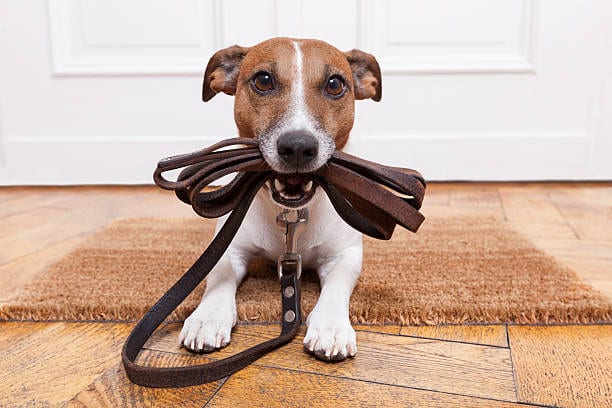
A puppy learning to settle, walk calmly or have its paws examined is practising skills it will use throughout its life. Puppy school gives owners a chance to learn alongside their pets, including how to reward good habits and recognise when an experience becomes overwhelming.
Speaking to 702, veterinarian Dr Melvyn Greenberg of the South African Veterinary Association encouraged training from around eight weeks and stressed the importance of consistent responses from owners.
Start early, with your vet’s guidance
Puppies learn about people, animals and their surroundings during their first few months. Gentle, positive experiences help them become familiar with everyday life.
Training at home can begin before a puppy is ready for group classes. Before booking, ask your vet when attendance is appropriate, taking your puppy’s health, vaccination history and local infection risks into account. Confirm the school’s health requirements too.
A good introduction should feel manageable
Socialisation involves more than playing with other dogs. It includes getting used to household sounds, unfamiliar surfaces, different people and being handled.
Let your puppy observe new things from a comfortable distance and approach at its own pace. Pulling away, freezing or trying to escape an interaction are reasons to pause and give it space.
Gentle handling exercises can also help puppies become comfortable having their paws, ears and mouths checked. This may make grooming, nail trimming and veterinary examinations easier later.
Owners learn how to make the lesson clear
Toilet training is a useful example. Taking a puppy to the same spot after sleeping, eating or playing, then rewarding it immediately after it finishes, helps establish a routine.
Punishing accidents can make a puppy afraid to toilet in front of you. Supervision and prompt rewards help it learn what you want.
For other skills, keep practice sessions short and reward successful responses promptly. Classes provide guidance, while regular practice at home helps build the habit.
Before choosing a puppy school, ask:
For more information see https://nspca.co.za/
These questions help you assess whether the programme offers gradual, positive learning suited to your puppy.
The Bottom Line
Puppy school cannot promise a perfectly behaved adult dog. Its lasting value is also in what you learn: how to respond consistently, recognise discomfort and help your puppy practise useful skills with patience. |
More from Joburg Insider

Sep 22, 2026
Privacy and access meet in the matric-results appeal
The Supreme Court of Appeal will hear a challenge over publishing results by examination number, with learners’ privacy and public access at the centre of the dispute.

Sep 22, 2026
More ways to get grant help
Online applications, WhatsApp support and free office Wi-Fi offer more ways to access grant services, while personal assistance remains available.

Sep 21, 2026
A chance paddle became a bigger ambition
The Gauteng kayaker has represented South Africa overseas and is developing her coaching skills alongside her own sporting ambitions.
Sep 21, 2026
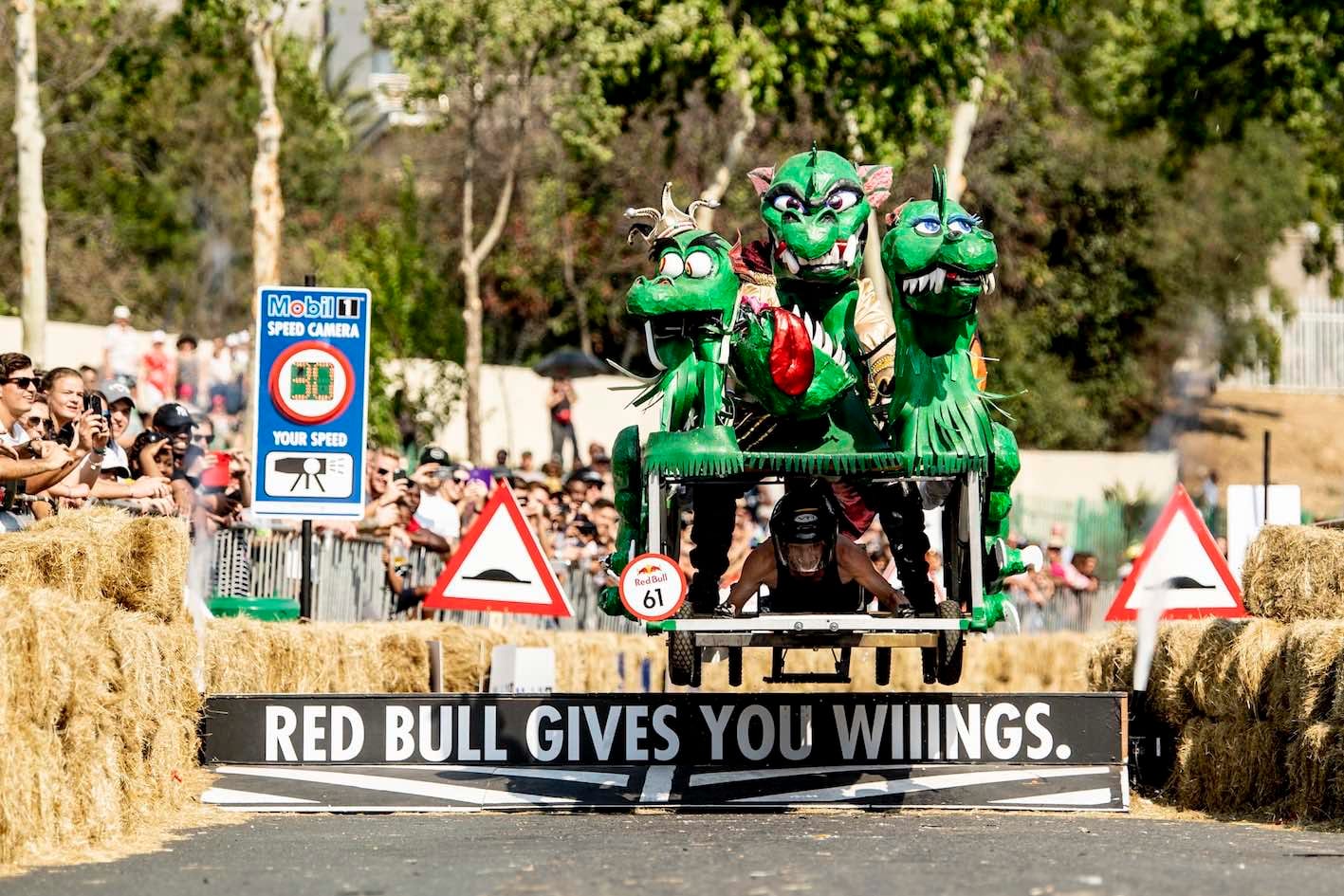
Homemade carts take over Sandton Drive
The wild unpowered go kart race returns to Sandton Drive on 20 September 2026. Teams can still apply to compete.
0 Comments
Join the conversation
Be the first to comment
Share your thoughts above.