
South Africa Was Africa’s Manufacturing Leader. Not Anymore. |
Morocco has moved ahead of South Africa in a major African ranking. Behind that change is a bigger story about the things we make, the jobs they support and whether South African businesses can compete. |
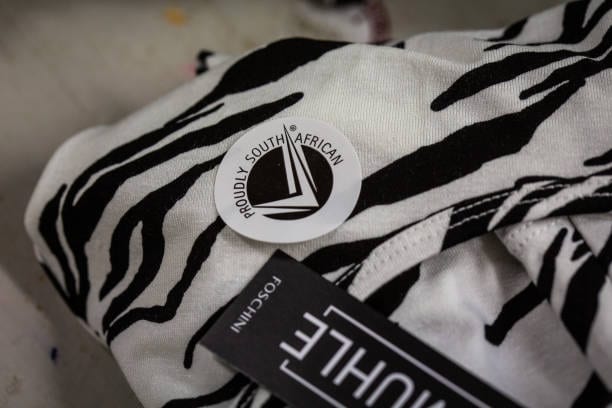
Look around your home.
Food, furniture, medicine, appliances, clothing and building materials all have to be made somewhere.
For years, South Africa ranked first in Africa on a measure of how well countries are developing their ability to manufacture and compete.
Now Morocco has taken the top spot.
It sounds like an industry story. But what happens inside factories eventually reaches far beyond them.
What Changed?
The African Development Bank’s latest Africa Industrialisation Index ranks Morocco first, ahead of South Africa. It assesses 54 African countries using measures including manufacturing performance, competitiveness, infrastructure and access to capital. The latest index draws on data covering 2010 to 2024.
The Bank points to Morocco’s progress in areas such as industrial development and export diversification, while saying South Africa remains an important industrial economy but has lost some competitiveness.
That doesn’t mean South African manufacturing has suddenly failed.
It means other countries are getting better at competing for the same opportunities.
Africa Is Making More. But Here’s the Surprise.
Africa’s manufacturing value grew from $285 billion in 2020 to $351 billion in 2025.
Yet the continent still accounts for:
That gap is where the opportunity lies.
Africa is making more, but there is still enormous room to make more of what people buy and sell more African-made products beyond the continent.
What Does a Factory Have to Do With the Rest of Us?
Quite a lot.
A manufacturer doesn’t only employ the people on its production line. It buys packaging and materials, uses transport companies, pays service providers and creates business for suppliers.
And a Made in South Africa label only survives if the product behind it can compete.
That means the right price, quality and reliable supply. Businesses also need functioning transport, infrastructure, finance, technology and skills. These are among the challenges the African Development Bank identifies as holding back industrial growth across the continent.
If South African companies cannot compete, investment, orders and the jobs connected to them can go elsewhere.
There’s Also a Much Bigger Market Next Door
Only around 14.4% of Africa’s total trade was between African countries on average from 2022 to 2024.
The African Continental Free Trade Area aims to make trading across African borders easier.
For a South African manufacturer, that could eventually mean reaching customers far beyond South Africa.
But having access to the market is only half the job.
You still have to make something people want to buy, at a price they’re willing to pay.
The Bottom Line
Morocco taking first place isn’t really about South Africa losing a trophy.
It is a reminder that countries compete for factories, investment, customers and jobs.
Africa is making more than it did five years ago, but still produces less than 2% of global manufacturing output. South Africa remains a major manufacturing economy, but its position is no longer guaranteed.
“Made in South Africa” means much more when the world wants to buy it. |
More from Joburg Insider
Sep 22, 2026
Privacy and access meet in the matric-results appeal
The Supreme Court of Appeal will hear a challenge over publishing results by examination number, with learners’ privacy and public access at the centre of the dispute.

Sep 22, 2026
More ways to get grant help
Online applications, WhatsApp support and free office Wi-Fi offer more ways to access grant services, while personal assistance remains available.

Sep 21, 2026
A chance paddle became a bigger ambition
The Gauteng kayaker has represented South Africa overseas and is developing her coaching skills alongside her own sporting ambitions.

Sep 21, 2026
Homemade carts take over Sandton Drive
The wild unpowered go kart race returns to Sandton Drive on 20 September 2026. Teams can still apply to compete.
0 Comments
Join the conversation
Be the first to comment
Share your thoughts above.