
South Africa Wants the Jobs Behind Electric Cars |
Electric cars are part of the story. The bigger opportunity could be the factories, batteries and jobs that come with them. |
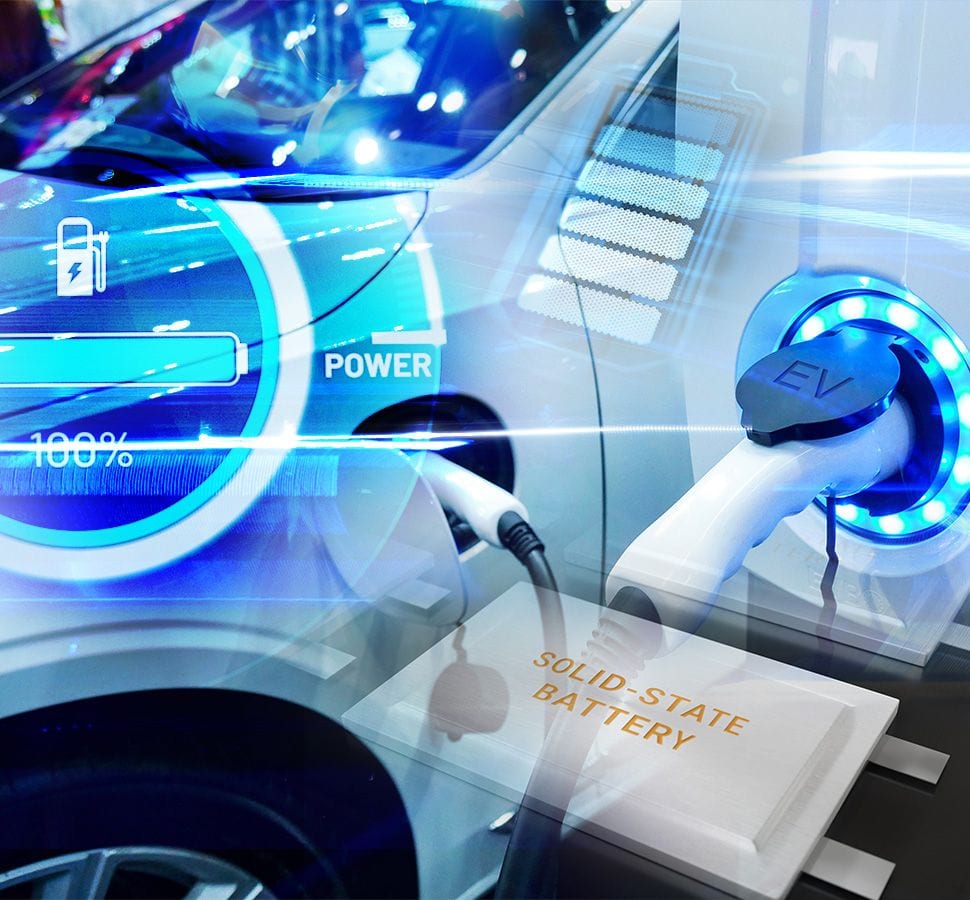
Electric vehicles are still a small part of South Africa's car market, but the government is looking much further ahead.
As more countries move towards electric and other new-energy vehicles, South Africa needs to make sure its large motor industry isn't left behind.
The aim is not simply to import electric cars. The government wants more vehicles, components, and battery materials made locally, bringing investment and jobs.
Deputy Minister of Science, Technology and Innovation Dr Nomalungelo Gina highlighted this at the uYilo e-Mobility Summit in Gqeberha on 26 August 2026.
Why it matters
South Africa already has a major vehicle manufacturing and export industry.
In 2025, the country exported a record 414,271 vehicles, while vehicle and automotive component exports were worth about R291 billion.
If major export markets increasingly move towards electric vehicles, South African factories will need to move with them.
That makes the EV shift about more than what we drive. It is also about protecting an important local industry.
There's now an incentive to build them here
Since 1 March 2026, qualifying manufacturers investing in new production capacity for electric and hydrogen-powered vehicles can claim a 150% tax deduction on qualifying investment.
This is not a discount for people buying an electric car.
It is designed to persuade manufacturers to invest in producing new-energy vehicles in South Africa.
Batteries could be another opportunity
South Africa's manganese resources could also give the country a place in the battery supply chain. Manganese is used in several lithium-ion battery chemistries.
Instead of exporting the raw material and leaving other countries to turn it into higher-value products, there is a push to do more of that processing locally.
A local partnership has already demonstrated pilot-scale production of battery-grade manganese sulphate, while Manganese Metal Company is developing commercial production capacity in Mbombela.
That could give South Africa a place in the EV industry beyond simply assembling cars.
But don't expect petrol cars to disappear
Electric vehicles remain a small part of South Africa's new-car market.
In 2025, 16,716 new-energy vehicles were sold, accounting for about 2.8% of new vehicle sales. Importantly, that figure includes hybrids and other new-energy vehicles, not only fully electric cars. Price and charging infrastructure remain practical hurdles to wider EV use in South Africa.
So the immediate story isn't that South Africans are suddenly switching to electric cars.
It's that the industry that makes our cars needs to prepare for a changing market.
The Bottom Line
South Africa already makes and exports hundreds of thousands of vehicles. The challenge is making sure it still does as the cars themselves change.
If the country can attract EV manufacturing and turn more of its minerals into battery materials locally, the electric-car shift could become an industrial and jobs opportunity, not simply another market for imported cars. |
More from Joburg Insider
Sep 22, 2026
Privacy and access meet in the matric-results appeal
The Supreme Court of Appeal will hear a challenge over publishing results by examination number, with learners’ privacy and public access at the centre of the dispute.
Sep 22, 2026
More ways to get grant help
Online applications, WhatsApp support and free office Wi-Fi offer more ways to access grant services, while personal assistance remains available.

Sep 21, 2026
A chance paddle became a bigger ambition
The Gauteng kayaker has represented South Africa overseas and is developing her coaching skills alongside her own sporting ambitions.
Sep 21, 2026
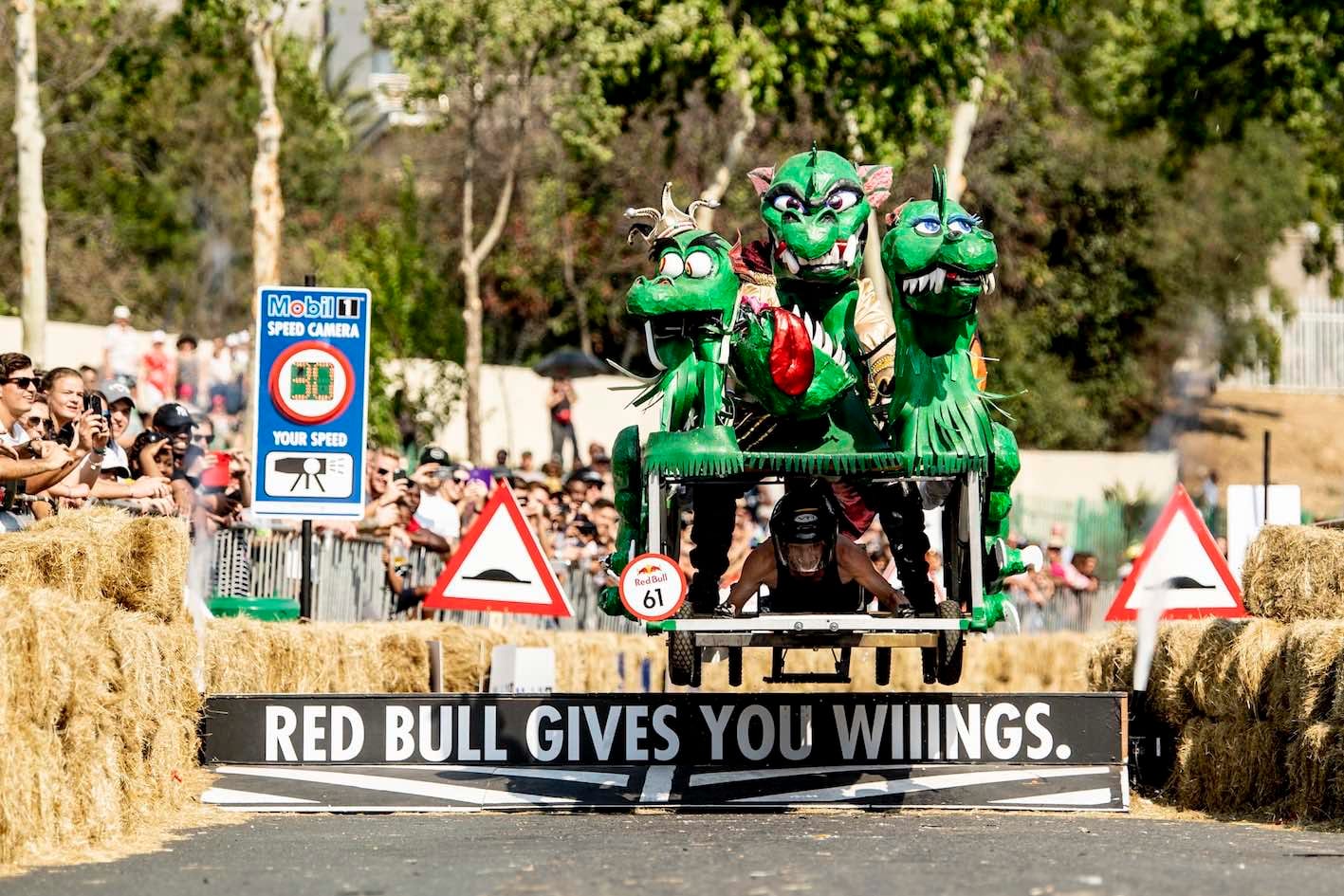
Homemade carts take over Sandton Drive
The wild unpowered go kart race returns to Sandton Drive on 20 September 2026. Teams can still apply to compete.
0 Comments
Join the conversation
Be the first to comment
Share your thoughts above.