
Your Face Is Becoming Part of South Africa's Passport Check |
South Africa is taking more of its visa process online, using biometrics and facial recognition to check that travellers really are who their passports say they are. |
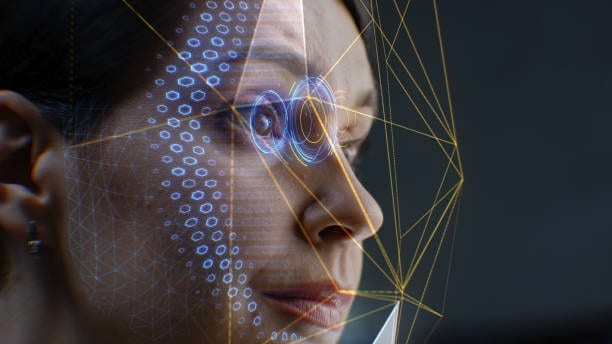
A passport has always told border officials who you claim to be.
South Africa's new immigration technology can add another check: does your face match the person in that passport?
It is part of the country's Electronic Travel Authorisation system, or ETA, which was officially launched at OR Tambo International Airport on 12 August 2026 after a pilot began in 2025.
Your face becomes part of the check.
The ETA moves much of the visa process online for eligible travellers.
Applicants photograph the passport they intend to travel on, answer questions about themselves and their trip, and take a live picture of themselves as part of the application.
There is more happening behind that selfie than simply taking a photograph.
Home Affairs says the technology checks 40 parameters to verify a passport's authenticity. It also uses liveness detection to compare the applicant's selfie with their passport photograph.
When an ETA traveller arrives in South Africa, the Border Management Authority can use facial recognition to verify their identity and visa.
It is already spotting suspect applications.
The system did not start from scratch in August.
South Africa began piloting the ETA in 2025 for travellers from China, India, Indonesia and Mexico, initially in connection with the country's G20 Presidency.
By 21 July 2026, Home Affairs said the system had processed more than 203,000 applications and identified and rejected more than 5,700 fraudulent applications.
The department said machine learning had detected fraudulent passports, manipulated documents and other signs of fraud, in some cases before those travellers could board a flight to South Africa.
Part of the border check can now happen before the journey even begins.
What travellers need to know
The ETA does not mean every foreign visitor suddenly needs a new travel authorisation.
The rollout is being expanded in phases to more countries and visa categories. Home Affairs says the ETA will progressively become compulsory for short stays by travellers from countries that require port-of-entry visas. In contrast, visa-exempt travellers can use it voluntarily as the system expands.
The application process includes:
An ETA does not permit someone to work in South Africa.
Home Affairs said at the August launch that the system would initially be available to travellers arriving at OR Tambo International, Cape Town International, King Shaka International and Lanseria International airports. The department plans to extend facial recognition and its upgraded movement-control system to land and sea ports in the coming months.
Because the rollout is changing, travellers should check the official Department of Home Affairs ETA requirements for their nationality and type of trip before making arrangements.
There is another digital travel requirement. This one is easy to confuse with the ETA, but it is completely separate.
Since 1 July 2026, travellers entering or leaving South Africa by air, land, sea or rail are required to submit a SARS online Traveller Declaration before travelling. This includes South African citizens, residents and foreign travellers.
The declaration covers Customs, including goods, currency, and other items that may need to be declared. It is not a visa or an ETA. If someone arrives at a port without having completed the declaration beforehand, SARS says they will not be refused entry or departure for that reason alone. Customs officials and self-service facilities can assist travellers who couldn't complete it before travelling.
The Bottom Line
South Africa's border checks are becoming digital long before someone reaches the immigration counter.
For eligible foreign visitors, a passport, live photograph and automated document checks can now form part of the process before departure. Facial recognition provides another identity check on arrival.
For South Africans travelling themselves, the practical change to remember is different: the SARS Traveller Declaration is now part of the border process, and completing it online before travelling can save trouble at the port. |
More from Joburg Insider
Sep 22, 2026
Privacy and access meet in the matric-results appeal
The Supreme Court of Appeal will hear a challenge over publishing results by examination number, with learners’ privacy and public access at the centre of the dispute.
Sep 22, 2026
More ways to get grant help
Online applications, WhatsApp support and free office Wi-Fi offer more ways to access grant services, while personal assistance remains available.

Sep 21, 2026
A chance paddle became a bigger ambition
The Gauteng kayaker has represented South Africa overseas and is developing her coaching skills alongside her own sporting ambitions.

Sep 21, 2026
Homemade carts take over Sandton Drive
The wild unpowered go kart race returns to Sandton Drive on 20 September 2026. Teams can still apply to compete.
0 Comments
Join the conversation
Be the first to comment
Share your thoughts above.