
The Extra Cost of Living in Joburg: What Are We Paying for Twice? |
Rates and municipal charges are only part of the household bill. For some residents, keeping the lights on, water flowing and homes secure can mean paying extra. |
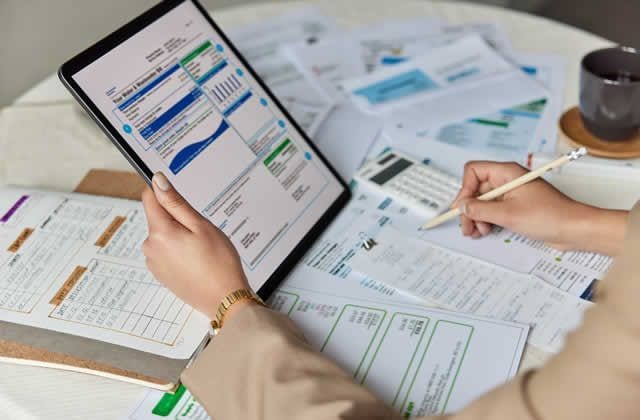
You pay your municipal account. Then you may pay for private security, solar, backup water or neighbourhood services too.
It's easy to see why this has been described as being “taxed twice”.
Technically, it isn't. A water tank or armed-response subscription isn't a second tax. But for households paying for their own backup services, the extra cost is very real.
What are we already paying?
Johannesburg's approved average tariff increases for 2026/27 include:
These are average increases. Your actual bill will depend on factors such as consumption, tariff structure and property valuation.
Then there may be the costs outside your municipal account:
Not all of these are necessarily caused by poor municipal services. Solar, for example, may be a long-term financial choice as well as backup power.
But together they can significantly increase the real cost of running a home.
What can you do?
You can't control municipal tariffs, but you can keep a closer eye on what you're paying.
Having your own backup also doesn't generally mean you can stop paying applicable municipal rates or charges.
Could things improve?
There is some reason for cautious optimism.
Johannesburg's R97.1 billion 2026/27 budget puts renewed attention on infrastructure and service delivery, while the City is also participating in national reforms aimed at improving the performance and financial sustainability of essential municipal services.
That doesn't guarantee better services. What matters is whether residents eventually see the difference.
The Bottom Line
Joburg households have become good at finding ways to keep things running.
The important financial step is knowing what those solutions are actually costing you on top of your municipal bill.
Check your accounts, understand the extras and make use of any assistance you qualify for.
The real win will be when backup services become useful choices rather than expenses households feel they need. |
More from Joburg Insider
Sep 22, 2026
Privacy and access meet in the matric-results appeal
The Supreme Court of Appeal will hear a challenge over publishing results by examination number, with learners’ privacy and public access at the centre of the dispute.

Sep 22, 2026
More ways to get grant help
Online applications, WhatsApp support and free office Wi-Fi offer more ways to access grant services, while personal assistance remains available.

Sep 21, 2026
A chance paddle became a bigger ambition
The Gauteng kayaker has represented South Africa overseas and is developing her coaching skills alongside her own sporting ambitions.

Sep 21, 2026
Homemade carts take over Sandton Drive
The wild unpowered go kart race returns to Sandton Drive on 20 September 2026. Teams can still apply to compete.
0 Comments
Join the conversation
Be the first to comment
Share your thoughts above.