
The End of the TV Licence? South Africa Is Exploring New Options |
Exploring alternatives: South Africa shakes up TV licensing system |
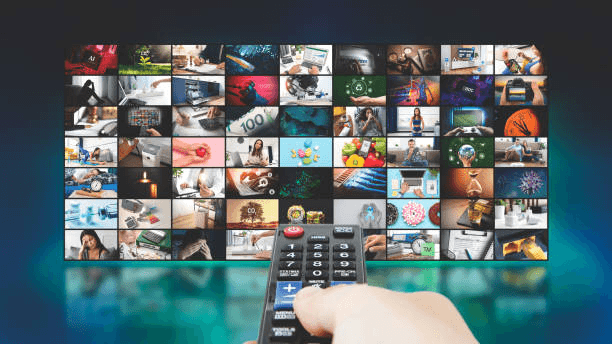
For decades, owning a television in South Africa came with a simple responsibility: paying an annual TV license fee.
Back when most households gathered around a television set to watch the evening news or their favorite shows, the system made sense.
But the way people watch content has changed dramatically.
Today, many South Africans get their news, sport, movies, and entertainment through smartphones, laptops, tablets, and streaming services. In many homes, the television is no longer the main screen. That shift is one of the reasons the government is reviewing how public broadcasting should be funded in the future.
Why This Matters
The discussion is about more than a TV license. It raises a bigger question: how should public broadcasting be funded in a world where fewer people rely on traditional television?
The challenge is not only changing viewing habits. The current TV license system is also under pressure because many license holders do not pay their annual fees. As a result, policymakers are exploring whether the existing model can continue to support public broadcasting in the long term.
Supporters of reform argue that any future funding model needs to reflect how South Africans consume content today rather than how they watched television decades ago.
What Is Being Considered?
The current TV license system remains in place and is still legally required.
However, discussions around a revised SABC Bill could eventually lead to a different approach to funding public broadcasting.
No replacement system has been approved, and no immediate changes are being introduced.
Any proposed changes would still need to go through public consultation, parliamentary processes, and formal approval before becoming law. For now, TV license rules remain exactly as they are.
Why Public Broadcasting Still Matters
While viewing habits may be changing, public broadcasting continues to play an important role in South Africa.
It helps fund:
The debate is therefore not simply about collecting license fees. It is about finding a sustainable way to support these services in an increasingly digital world.
Just the Facts
The Bottom Line
The television is no longer the only screen that matters.
As more South Africans choose to watch content on their own terms, the systems that fund public broadcasting are coming under increasing scrutiny.
No immediate changes are on the horizon, but the conversation reflects a broader reality: the media landscape has changed, and policymakers are now grappling with how public broadcasting should be funded in the digital age. |
More from Joburg Insider

Sep 25, 2026
When an AI Security Test Reached Real Companies
A Google Gemini test accidentally reached three real businesses, showing why AI tools need carefully controlled access.

Sep 25, 2026
Add a lunch stop to your Melville browse
Reserved Cafe and Chopstix offer different ways to fit a food break into a visit to Joburg Artist Market.

Sep 25, 2026
A Saturday outing with room to browse
Local makers, independent shops and a shipping-container setting give visitors plenty to explore at 27 Boxes.

Sep 25, 2026
The clever engineering inside an artificial sucker
Tiny sensors inside artificial suckers help a flexible robotic arm judge its grip, opening possibilities for machines that handle delicate objects.
0 Comments
Join the conversation
Be the first to comment
Share your thoughts above.