
Why We Crave Comfort Food in Winter - And Why It's Not a Lack of Willpower |
The Science Behind Winter Comfort Food Cravings: It's Not Your Fault! |
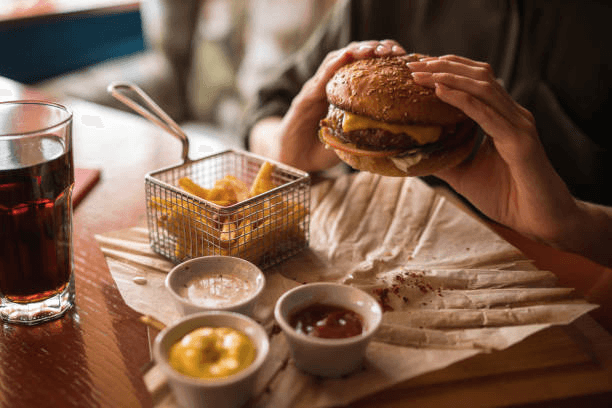
As temperatures drop and the days grow shorter, many of us find ourselves reaching for familiar comfort foods. A warm pastry with morning coffee, an extra helping of pasta at dinner, or that packet of biscuits that somehow disappears during a chilly evening on the couch. If you've ever wondered why winter seems to bring stronger cravings, you're certainly not alone.
The good news is that science suggests these urges are not simply a matter of weak willpower. Instead, they are often the result of a combination of biology, habit, and the way modern foods interact with our brains.
Why Winter Changes the Way We Eat
Winter naturally encourages us to seek comfort.
Colder weather often means spending more time indoors, being less physically active, and looking for foods that provide warmth and satisfaction. Shorter daylight hours can also influence mood and energy levels, making highly rewarding foods feel even more appealing.
There is nothing unusual about craving richer foods during winter. In many ways, it is a normal human response to seasonal changes. The challenge is that today's food environment makes those cravings much easier to satisfy than ever before.
The Power of Ultra-Processed Foods
Researchers have spent years studying ultra-processed foods, items that are often high in refined carbohydrates, fats, sugars, and salt.
These foods are designed to be highly appealing, delivering intense flavours and textures that encourage us to keep eating. They can activate the brain's reward systems, creating powerful eating patterns that are often difficult to ignore.
Understanding this changes the conversation completely.
Rather than viewing cravings as a personal failure, we can recognise them as a predictable response to foods specifically engineered to be tempting.
Small Changes That Make a Big Difference
The goal is not to eliminate every winter treat or live on a restrictive diet. Instead, experts encourage a more balanced approach:
These small habits can help support healthier eating patterns without removing the pleasure from food.
Just the Facts
The Bottom Line
A healthy relationship with food is not built on guilt or perfect eating habits.
Understanding why cravings happen can help remove the shame that often surrounds them. Winter comfort foods are meant to be enjoyed, but knowing how modern foods influence our choices allows us to approach them with greater awareness.
The next time you find yourself reaching for a comforting snack on a cold evening, remember: your cravings are not proof that you've failed. They're simply part of being human. The real skill lies in learning how to respond to them with balance rather than guilt. |
More from Joburg Insider

Sep 26, 2026
Game Day Market Brings Springbok Rugby and Family Fun to Fourways
Watch South Africa take on Australia on the big screen while enjoying food, local products, market stalls and kids’ activities.

Sep 25, 2026
When an AI Security Test Reached Real Companies
A Google Gemini test accidentally reached three real businesses, showing why AI tools need carefully controlled access.
Sep 25, 2026
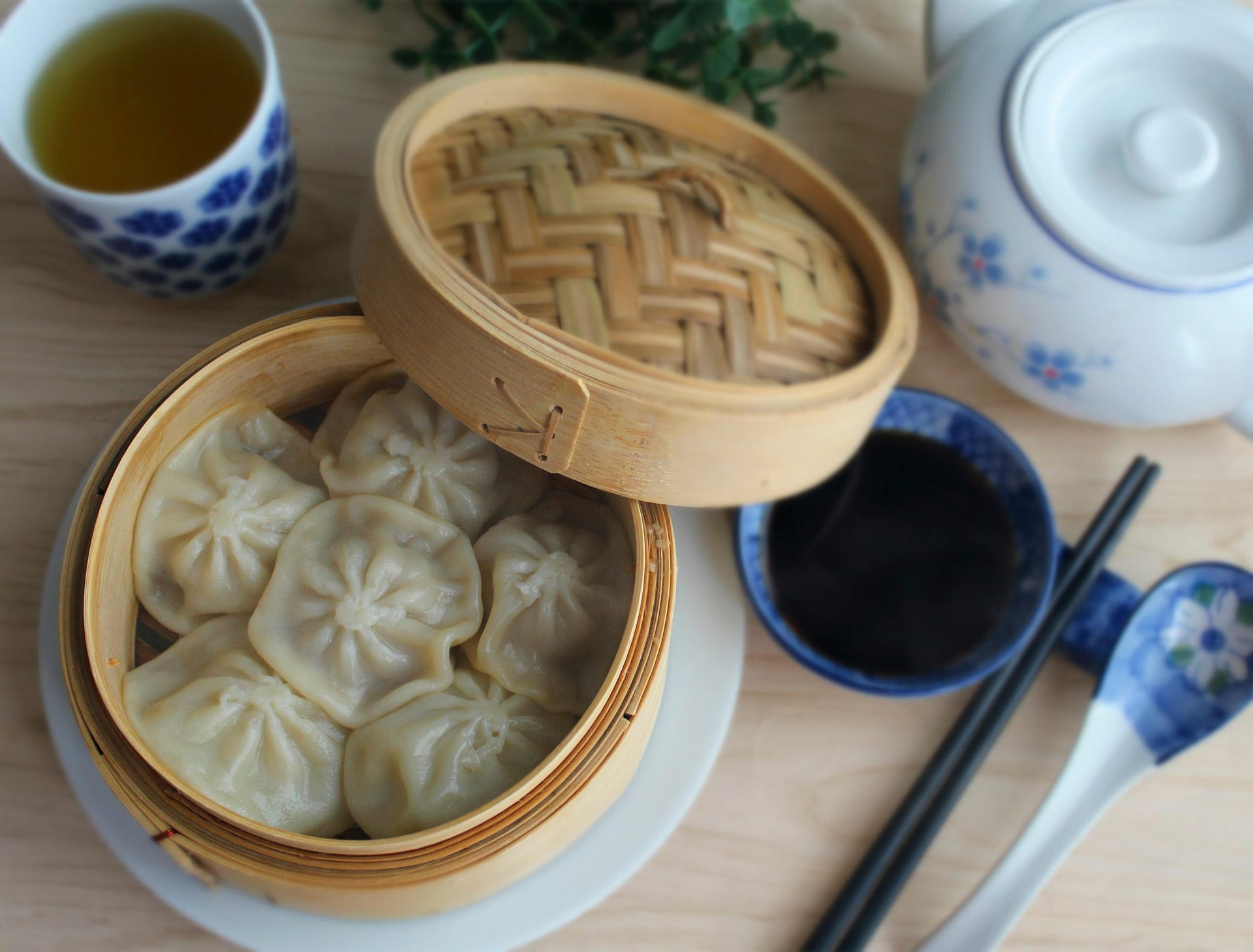
Add a lunch stop to your Melville browse
Reserved Cafe and Chopstix offer different ways to fit a food break into a visit to Joburg Artist Market.

Sep 25, 2026
A Saturday outing with room to browse
Local makers, independent shops and a shipping-container setting give visitors plenty to explore at 27 Boxes.
0 Comments
Join the conversation
Be the first to comment
Share your thoughts above.