
From Dumping Sites to Vegetable Gardens: The Volunteers Taking Back Public Spaces |
Volunteers are turning neglected spaces into gardens and caring for polluted riverbanks, with practical ways for more residents to help. |
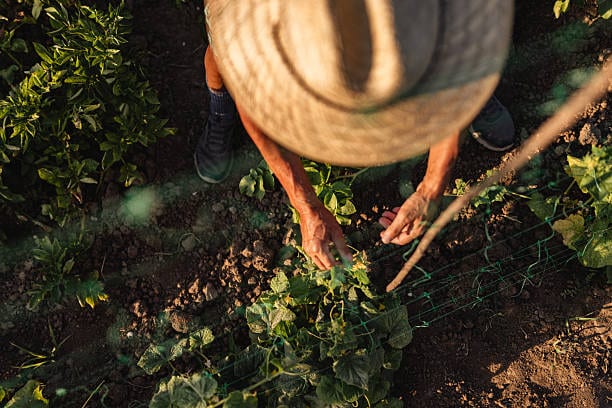
Spinach and onions are growing on land once used for dumping rubbish.
Through the Soulbent Project, cleared dumping sites become vegetable gardens. The produce helps feed vulnerable residents, while sales help pay for equipment such as wheelbarrows and refuse bags.
In March, GroundUp reported that more than two dozen volunteers, including teenagers and pensioners, were cleaning Soweto’s streets during the week.
Their work continues beyond filling a rubbish bag. They are giving neglected ground a use that benefits the people living around it.
People keeping at it
Soulbent began as a family initiative in Atteridgeville in 2008 and expanded into other parts of Gauteng.
The practical needs remain straightforward. Chief executive Mashudu Makhado told GroundUp the organisation needed gardening tools, gloves, refuse bags, litter pickers, masks and sun hats. These are the everyday supplies that make regular work possible.
Along the Jukskei River, the Alexandra Water Warriors are also combining clean-ups with longer-term care. Their work includes recycling, greening and river patrols that speak to residents about dumping, according to a September feature by Good Things Guy drawing on Mandy Wiener’s The Hope Dealers.
Volunteers need reliable backup
Keeping these spaces clean takes more than another volunteer day. Makhado has pointed to inconsistent refuse collection and poor coordination with municipal teams. Those problems can leave community groups carrying work that needs dependable public services.
There are examples of cooperation. On 5 August, Alexandra Water Warriors joined Pikitup, Johannesburg Water, the roads agency, JMPD and other participants in a joint clean-up. The City also acknowledged that restoring reliable waste collection remained a priority.
How you can help
The Bottom Line
The gardens show what sustained care can achieve: food growing on ground people had written off. Supporting the people doing that work, and making sure their rubbish is collected, helps those gains last. |
More from Joburg Insider

Sep 21, 2026
A chance paddle became a bigger ambition
The Gauteng kayaker has represented South Africa overseas and is developing her coaching skills alongside her own sporting ambitions.

Sep 21, 2026
Homemade carts take over Sandton Drive
The wild unpowered go kart race returns to Sandton Drive on 20 September 2026. Teams can still apply to compete.

Sep 20, 2026
A Hands-on Day of Discovery
Nearly 400 interactive exhibits make this Newtown attraction an easy choice for a curious family day out.
Sep 19, 2026
A Family Meal with Space to Play
Golf-course views, good food and a large outdoor play area in Linksfield North.
0 Comments
Join the conversation
Be the first to comment
Share your thoughts above.