
A Birth Record from AD 149: How AI Is Helping Read the Past |
A new research tool is helping recover missing words from ancient documents, offering glimpses of lives lived almost 2,000 years ago. |
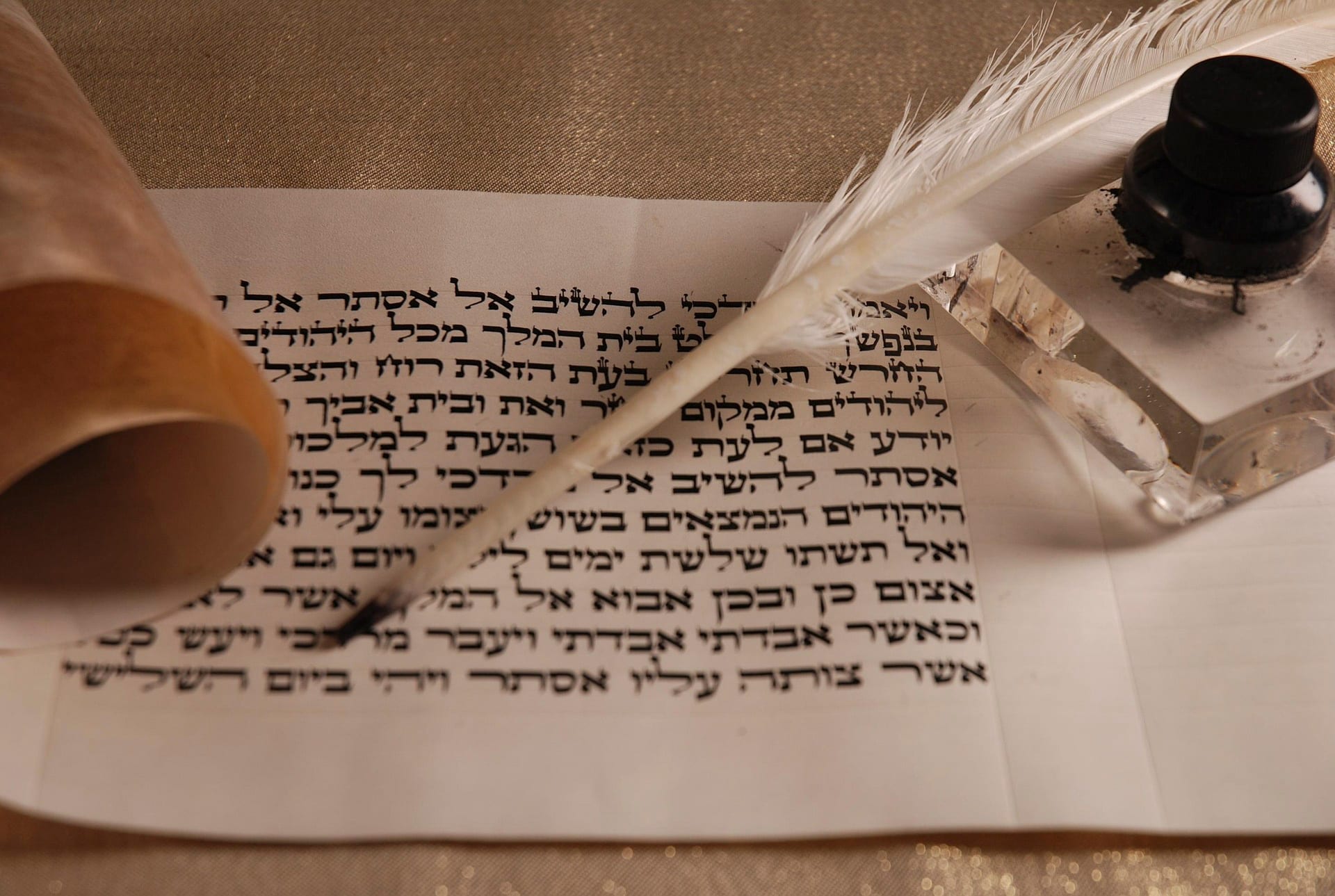
Someone recorded a birth in Roman Egypt in AD 149. Written in Greek on papyrus, the document has survived to our time, though with gaps in its text.
It has now become an example of how artificial intelligence can help historians reconstruct missing passages. There is something wonderfully familiar about it: even almost 2,000 years ago, a new arrival meant paperwork.
Ancient words, new possibilities
On 23 September 2026, the Austrian Academy of Sciences introduced Apollo, developed with Mistral AI, SAIL Reply and a researcher from Northeastern University.
Trained on around 600 million words of historical Greek, it takes incomplete text and suggests what could fit the missing sections. Researchers then assess those suggestions against the surviving evidence.
Think of trying to read a letter with pieces torn away. Knowing the language helps, but a missing word can still change the meaning of an entire sentence.
A scroll that survived Vesuvius
Another example reaches back to the eruption of Mount Vesuvius in AD 79.
A papyrus scroll carbonised in the disaster had been digitally unrolled and studied. Apollo subsequently helped researchers improve its reading by proposing restorations for gaps in the philosophical text. It worked on the words; the digital unrolling was a separate process.
That is part of the fascination. Something too fragile to handle as an ordinary book can still have more to tell us.
What can these tools uncover?
Alongside Apollo, a system called Aeneas helps researchers study Latin inscriptions. Its capabilities include:
These connections can help historians understand an inscription that makes little sense on its own.
Why the everyday details matter
A birth declaration or tax receipt might seem an unlikely historical treasure. Yet these records offer ways to investigate family life, administration and the practical concerns of people who lived centuries before us.
Researchers behind Apollo hope that working through more documents will reveal a fuller picture of ancient society. The appeal is easy to understand: history becomes more personal when we can read traces of ordinary lives.
The essential check remains human expertise. A plausible completion is a proposal, not proof. Restoring damaged Greek or Latin also differs from cracking a language nobody yet understands.
Take a closer look
The Bottom Line
The next revealing piece of history may already be sitting in a museum collection, with a few crucial words missing. AI is giving researchers more ways to investigate those gaps and, perhaps, recover details of a life we would otherwise never know. |
More from Joburg Insider

Sep 29, 2026
There is more growing here than you might notice
A recent community meeting highlighted the work behind the reserve’s grasslands, walking trails and heritage sites.

Sep 28, 2026
A useful conversation for parents of young readers
New classroom resources are being procured for the next school year. Here’s what to ask your child’s school and how to help at home.

Sep 28, 2026
Your first taste of Nigerian food in Joburg
From jollof rice in Gallo Manor to West African dishes in Sunninghill, local menus offer an introduction to a rich food culture.

Sep 28, 2026
From Emperors Palace to a world title in Tokyo
After fighting his first 19 professional bouts at Emperors Palace, the “Magic Man” travelled to Japan and claimed the WBC super flyweight crown.
0 Comments
Join the conversation
Be the first to comment
Share your thoughts above.