
What a Pigeon Can Teach Us About Flying Machines |
Birds change their wing shape in flight. Researchers are building feathered robots to understand how they do it. |
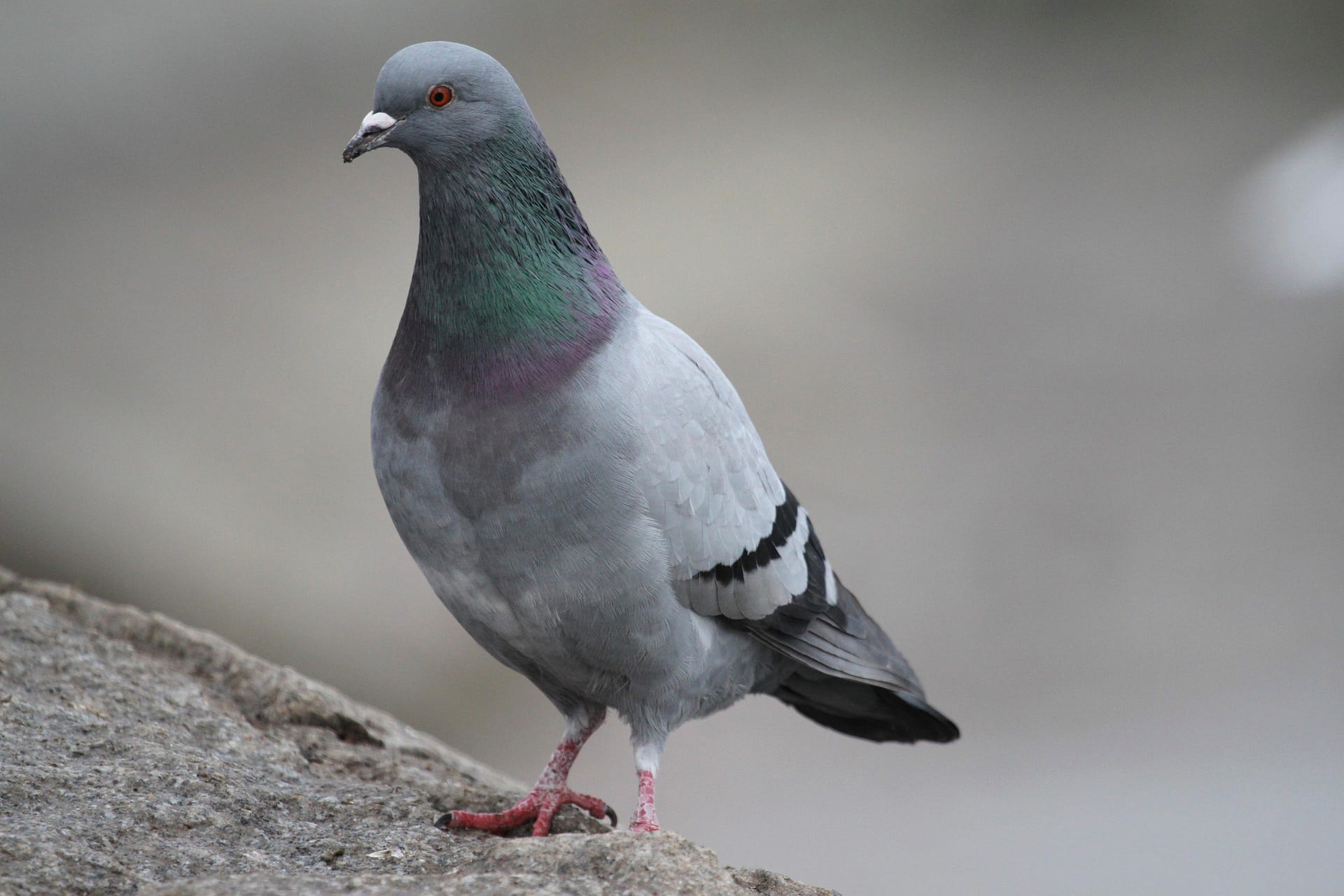
A pigeon’s wings do more than flap. They spread, fold and change shape as the bird adjusts its flight.
Reproducing that control is an engineering challenge. Researchers have approached it using an unusual building material: real pigeon feathers.
A Robot With Feathered Wings
The original PigeonBot, developed by a Stanford research team, used 40 pigeon feathers connected to a mechanical wing structure.
The researchers studied how pigeons’ wrist and finger movements coordinate their feathers. They then built a robot that could change its wing shape using a small number of powered joints.
Flight tests showed that moving the wings differently on either side could initiate turns. The feathers were functional parts of the aircraft, not decoration.
Why Study a Bird’s Tail Too?
Most conventional aeroplanes have an upright tail fin that helps control sideways movement and stability. Birds manage without one.
A later research aircraft, PigeonBot II, explored this difference. Its controller adjusted the shape of its feathered wings and tail to stabilise flight.
The robot was tested in a wind tunnel and subsequently flew autonomously outdoors. It demonstrated a way of controlling flight through coordinated changes in shape.
From Research to Future Aircraft
These experiments help explain how birds fly and offer ideas for future aircraft. They do not establish that passenger planes should be fitted with feathers.
Materials, size, reliability and flight conditions still have to suit the machine. The useful principle is a wing that changes shape to do different jobs, rather than a fixed surface with separate moving controls.
The Bottom Line
The next time a pigeon turns or lands, watch its wings and tail together. An everyday bird is coordinating movements that engineers are still learning to reproduce. |
More from Joburg Insider

Nov 13, 2026
Check Before You Change Your Salt
Potassium-enriched salt can help lower blood pressure, but kidney health, medication and who shares your meals must be considered before switching.

Nov 13, 2026
Make Time for Potjiekos
From slow-cooked beef to seafood and vegetables, the pleasure of a potjie starts with choosing what goes into the pot.
Nov 12, 2026
A Smarter Approach to Geyser Savings
A suitable heating schedule can help, but using less hot water and fixing avoidable waste deserve attention too.
Nov 12, 2026
Travel Prepared, Recognise Symptoms Early
Cases diagnosed in Gauteng are mostly linked to travel. Check your destination’s risk before you leave, and take symptoms seriously when you return home.
0 Comments
Join the conversation
Be the first to comment
Share your thoughts above.