
Cognitive Fitness: How to Use AI to Sharpen Your Mind |
Unlock the Power of AI to Boost Brain Health and Mental Agility |
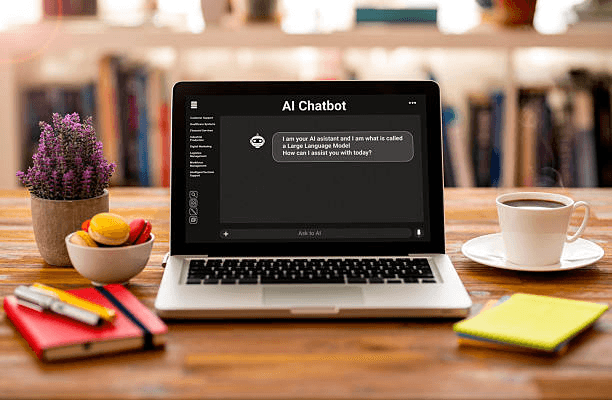
At the Massachusetts Institute of Technology (MIT), research scientist Nataliya Kosmyna recently uncovered a subtle shift in how students engage with information. She noticed that content retention was slipping, and job application cover letters were beginning to read with an identical, uniform tone. The common denominator was a reliance on generative AI chatbots. To understand the exact neurological impact of this shift, Kosmyna launched a study to track what outsourcing our writing does to the human brain.
The investigation does not suggest we abandon technology. Instead, it highlights a profound opportunity to reframe our relationship with digital tools, transforming them from mental shortcuts into active partners for cognitive growth.
The Neurology of Active Thinking
The MIT research team monitored 54 students split into a three-group design. One group utilized an AI chatbot to draft essays, the second used traditional search engines, and the third worked entirely without technology. By measuring live brainwaves during the process, the structural differences in brain activation became immediately clear.
Students relying on their own faculties demonstrated widespread, healthy neural activity across multiple regions of the brain. The search engine group showed intense activation in visual processing zones as they scanned and sorted data. However, the chatbot group showed a 55-percent decrease in brain activity within the regions specifically tied to creativity, working memory, and deep information processing. When we let a machine do the heavy lifting of formulating sentences, our neural networks simply quiet down.
The Reality of Cognitive Surrender
This drop in live brain activation creates real challenges for memory and ownership. Immediately after submitting their essays, the AI-assisted students struggled to quote from their own work, reporting that they felt disconnected from the text.
Parallel research from the University of Pennsylvania describes this habit as cognitive surrender. It occurs when a person accepts automated answers with minimal scrutiny, allowing a machine to override their own intuition. Over time, this passive acceptance can dull our natural skills. For example, a study involving medical professionals who used AI to screen for colon cancer for three months revealed that their independent ability to spot tumors subsequently deteriorated when the tool was removed.
Furthermore, the long-term impacts show that four months after the initial MIT tests, the students who relied on AI still demonstrated lower neural connectivity when asked to write independently. Neuroscientists warn that long-term under-activation of the brain can reduce cognitive reserve later in life. Just like a physical muscle, the brain requires consistent, deliberate resistance to stay sharp, resilient, and healthy as we age.
Building Productive Friction into Your Workflow
The solution is not to delete your AI tools, but to change how you prompt them. By treating AI as a challenger rather than an assistant, you can turn your daily workflow into a cognitive fitness routine. Two highly effective techniques can help keep your mind fully engaged:
The Bottom Line
Your creativity, unique voice, and long-term cognitive health depend entirely on continued mental challenges. Exceptional writing and deep intuition are uniquely human traits that cannot be automated without consequence. By setting boundaries and using AI as a tool to sharpen your thoughts rather than replace them, you can protect your focus, build your cognitive reserve, and ensure your mind stays thoroughly engaged. |
More from Joburg Insider
Sep 22, 2026
Privacy and access meet in the matric-results appeal
The Supreme Court of Appeal will hear a challenge over publishing results by examination number, with learners’ privacy and public access at the centre of the dispute.

Sep 22, 2026
More ways to get grant help
Online applications, WhatsApp support and free office Wi-Fi offer more ways to access grant services, while personal assistance remains available.

Sep 21, 2026
A chance paddle became a bigger ambition
The Gauteng kayaker has represented South Africa overseas and is developing her coaching skills alongside her own sporting ambitions.
Sep 21, 2026
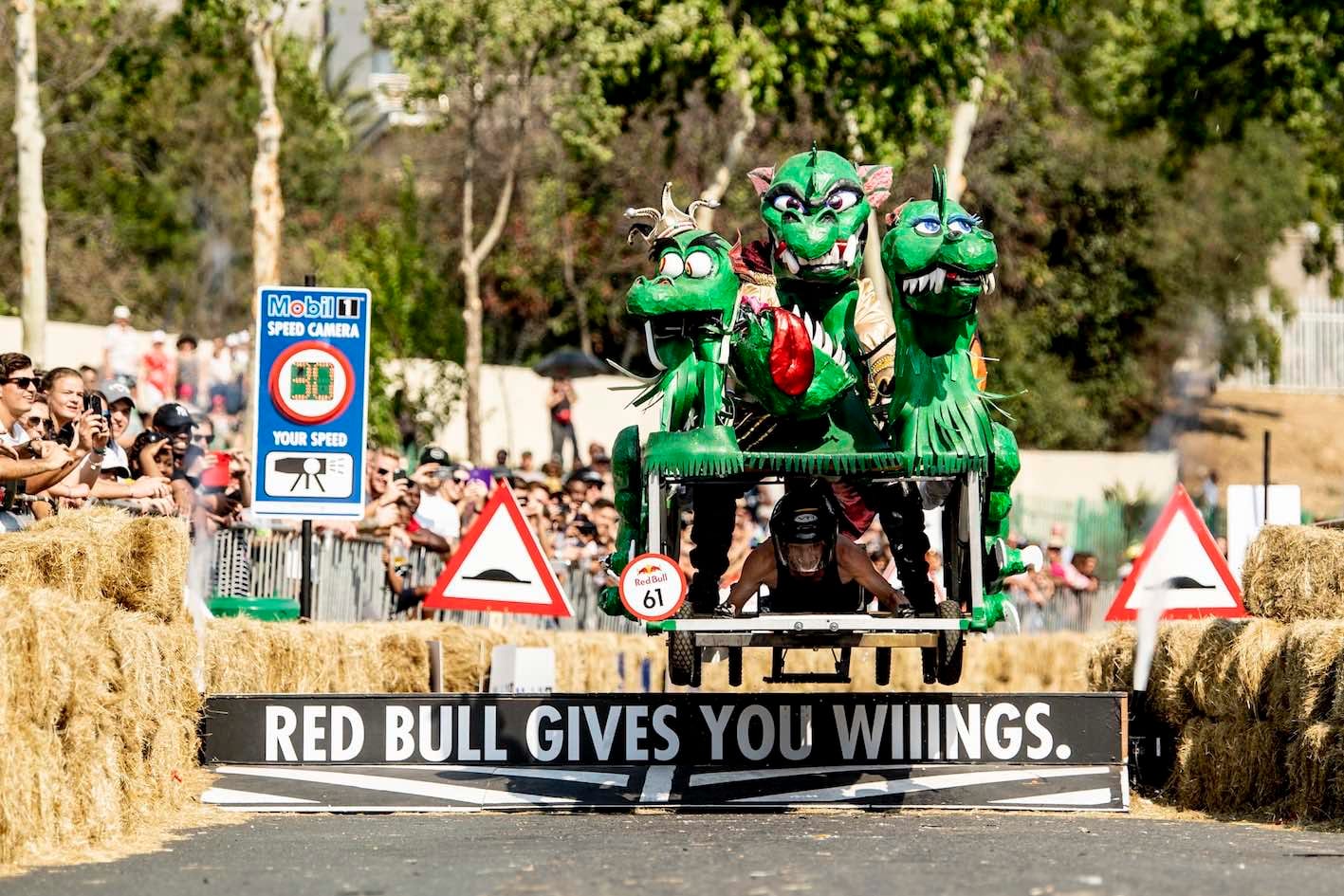
Homemade carts take over Sandton Drive
The wild unpowered go kart race returns to Sandton Drive on 20 September 2026. Teams can still apply to compete.
0 Comments
Join the conversation
Be the first to comment
Share your thoughts above.