
What Happens When You Give Up Sugar for Six Weeks |
Why cutting sugar is harder than it sounds |
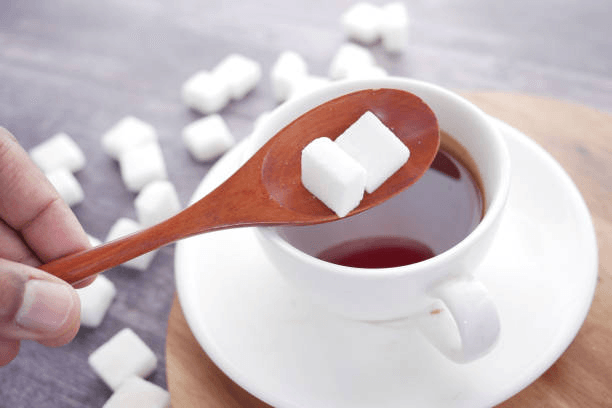
Giving up sugar sounds simple until you actually try to do it. It isn’t just about skipping dessert; the real challenge is that added sugar is quietly stacked throughout our entire day, hidden in foods we’ve been taught to trust, from our bread to our sauces and ready-made meals.
Most of us aren’t overindulging because we lack willpower. We’re doing it because we don’t realize how high the sugar count has become in our "normal" daily food.
Where It Hides
The World Health Organization (WHO) recommends limiting added sugars to about 25 grams a day. In reality, most of us go well beyond that without even noticing.
This isn't an accident; it’s how modern food is built to taste consistent and appealing. The problem is how quickly those grams add up.
The First Week: The Dopamine Silence
The early days are the hardest. The cravings are frequent and very specific, you don’t just feel hungry; you want something sweet.
There’s a biological reason for that. Sugar triggers a "reward" signal in the brain. While it’s not the same as a drug addiction, it does reinforce habits, which is why those early cravings feel so persistent. At the same time, energy levels often become more stable. Without the rapid spikes and drops in blood sugar, that usual afternoon "crash" starts to ease off.
Week Three: The Taste Reset
By the halfway mark, things start to change. Cravings tend to settle down, and your taste actually adjusts. Foods that used to seem neutral start to taste slightly sweet on their own.
This isn’t imaginary. Your taste perception adapts based on what you eat. When you stop eating high-sugar foods, you become more sensitive to sweetness. It’s a gradual reset, and suddenly, fruit becomes a lot more satisfying. Highly sweet snacks can even start to feel like "too much" rather than something you actually want.
At a Glance: The 6-Week Arc
The Bottom Line
Cutting sugar doesn’t transform everything overnight. What it does do is reset your habits. You become more aware of what you’re eating rather than just eating on autopilot.
That shift matters more than any short-term effect, it changes how you eat going forward, not just for six weeks. |
More from Joburg Insider

Sep 22, 2026
Privacy and access meet in the matric-results appeal
The Supreme Court of Appeal will hear a challenge over publishing results by examination number, with learners’ privacy and public access at the centre of the dispute.

Sep 22, 2026
More ways to get grant help
Online applications, WhatsApp support and free office Wi-Fi offer more ways to access grant services, while personal assistance remains available.

Sep 21, 2026
A chance paddle became a bigger ambition
The Gauteng kayaker has represented South Africa overseas and is developing her coaching skills alongside her own sporting ambitions.

Sep 21, 2026
Homemade carts take over Sandton Drive
The wild unpowered go kart race returns to Sandton Drive on 20 September 2026. Teams can still apply to compete.
0 Comments
Join the conversation
Be the first to comment
Share your thoughts above.