
The E-Toll Chapter Is Finally Closing for Gauteng Motorists |
Unpacking the Impact of Gauteng's E-Toll Saga: What This Means for Motorists Now |
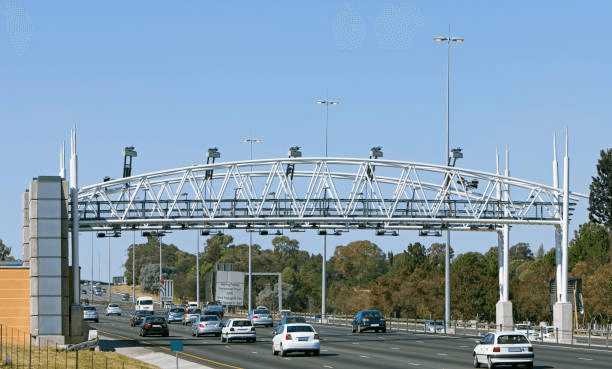
For more than a decade, e-tolls were one of the most debated issues affecting Gauteng motorists. Long after the system stopped operating, questions remained about unpaid accounts, possible collections, and the future of the scheme.
Cabinet has now approved the write-off of outstanding historical e-toll debt, allowing the South African National Roads Agency Limited (SANRAL) to close this chapter and no longer pursue the collection of these historical amounts.
For many motorists, the decision provides something that has been missing for years: certainty.
What the Decision Means
Government says the write-off is intended to bring finality to the Gauteng Freeway Improvement Project (GFIP) e-toll system and resolve historical debt matters in an orderly manner.
The decision means SANRAL will not pursue further collection of outstanding historical GFIP e-toll debt, while government can focus on the continued maintenance and improvement of South Africa's national road network.
It also brings greater clarity for motorists who have lived with years of uncertainty surrounding the scheme.
What Does Not Change
Cabinet also confirmed that motorists who paid their e-tolls while the system was legally in force will not receive refunds.
According to government, those payments were lawful at the time they were made, before the toll declarations were withdrawn. The decision therefore closes the historical matter rather than reopening past transactions.
Looking Ahead
Government has reiterated that the "user pays" principle remains part of South Africa's infrastructure funding framework. However, it has also stated that future tolling arrangements should be legally sound, appropriately structured, supported by clear policy certainty, and broadly accepted by road users.
The focus now shifts from historical debt to ensuring that national roads can continue to be maintained and improved through sustainable funding solutions.
Quick Facts
Outstanding historical e-toll debt: Approved for write-off. Further collection: SANRAL will not pursue collection of this historical debt. Refunds for motorists who already paid: No. Government says those payments were lawful when made. Future road funding: Government says any future tolling model should be transparent, legally sound, and broadly accepted.
The Bottom Line
Some policy decisions are important because they introduce something new. Others are important because they bring closure.
The latest Cabinet decision provides long-awaited certainty for Gauteng motorists and allows one of South Africa's longest-running transport debates to move into the past, while attention turns to the future of the country's road infrastructure. |
More from Joburg Insider
Sep 22, 2026
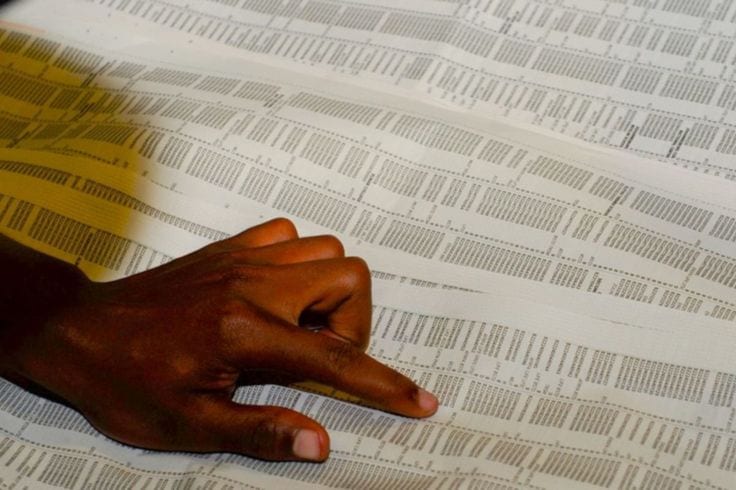
Privacy and access meet in the matric-results appeal
The Supreme Court of Appeal will hear a challenge over publishing results by examination number, with learners’ privacy and public access at the centre of the dispute.
Sep 22, 2026
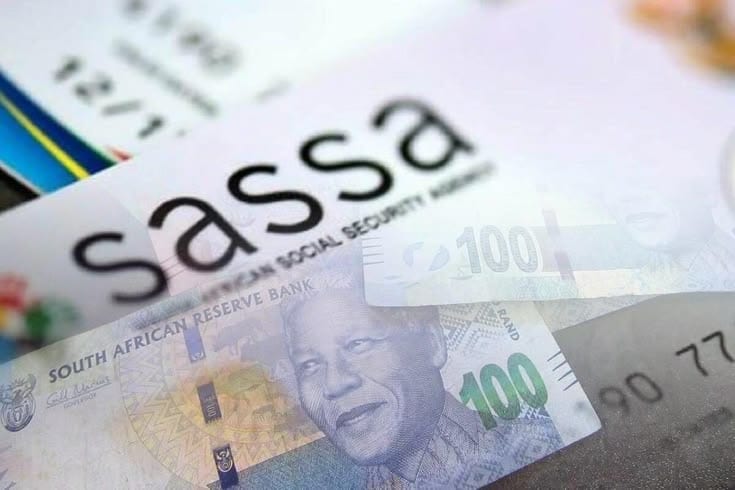
More ways to get grant help
Online applications, WhatsApp support and free office Wi-Fi offer more ways to access grant services, while personal assistance remains available.

Sep 21, 2026
A chance paddle became a bigger ambition
The Gauteng kayaker has represented South Africa overseas and is developing her coaching skills alongside her own sporting ambitions.
Sep 21, 2026
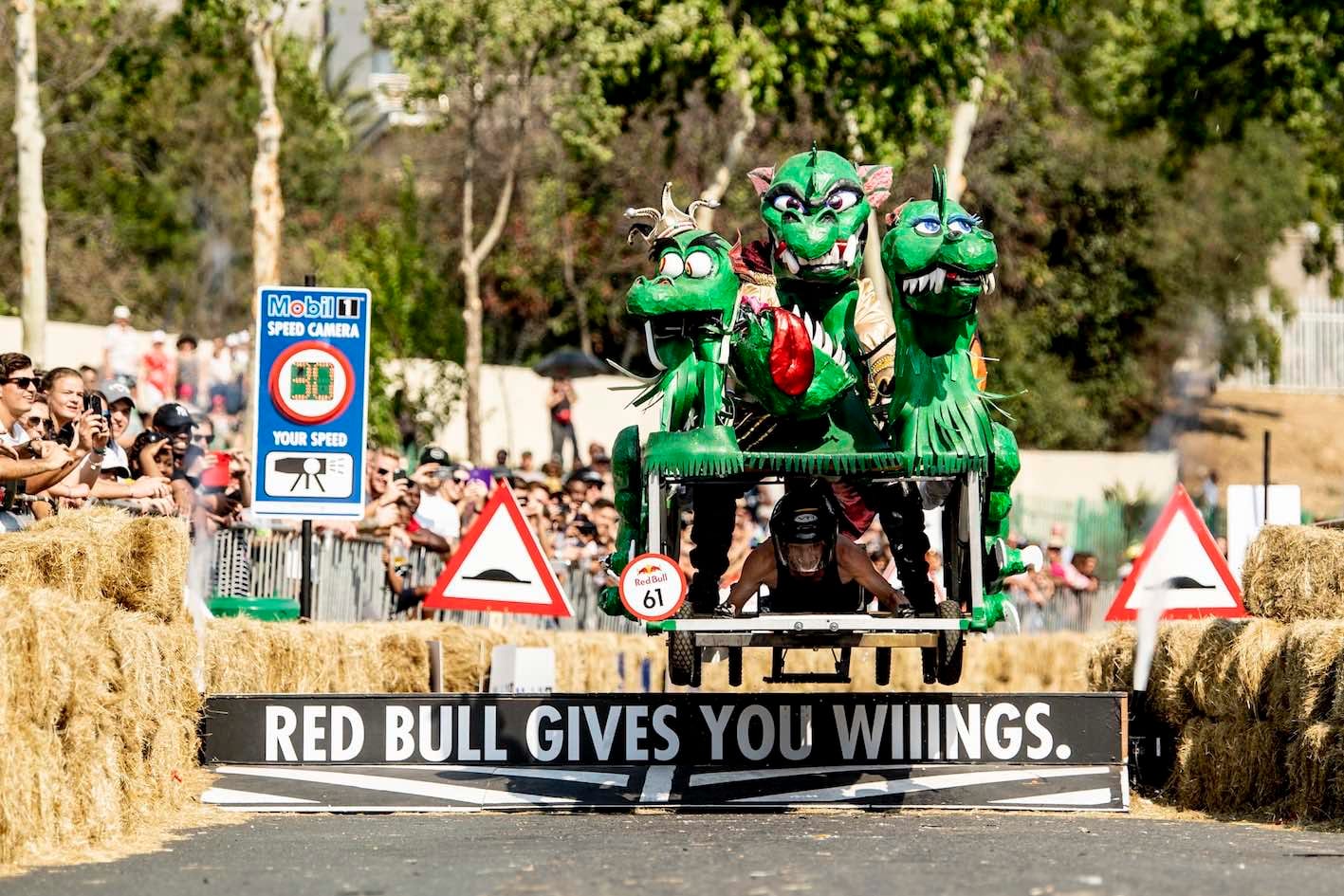
Homemade carts take over Sandton Drive
The wild unpowered go kart race returns to Sandton Drive on 20 September 2026. Teams can still apply to compete.
0 Comments
Join the conversation
Be the first to comment
Share your thoughts above.