
How South Africans Are Stretching Every Tank Further |
Practical fuel-saving habits that are helping motorists cope with rising petrol prices |
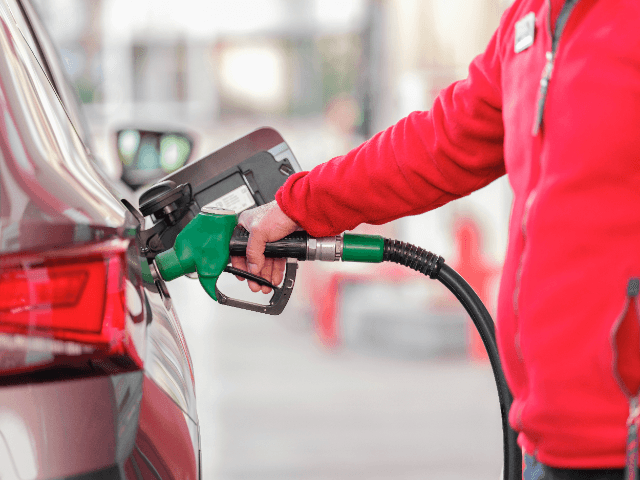
We’ve all felt the wince at the petrol pump lately. With petrol rising by more than R3 a litre this May, seeing the total climb has become a shared South African stress.
While we can’t control global oil markets or the Rand, I’ve noticed a quiet shift in how we're all responding. We aren't just waiting for prices to drop; we're changing how we move.
The Return of the Lift Club
One of the most heartening shifts has been the comeback of carpooling. More of us are coordinating school runs and office trips, not just to save money, but to share the load. It’s a practical response that actually works, splitting the cost of a commute can be the difference between a tight month and a manageable one.
Small Changes, Real Gains
According to energy authorities, your driving habits matter more than the size of your car. It’s the small, daily adjustments that add up over a full tank:
The Myths We Can Drop
We’ve all heard the tricks, but some do more harm than breathing:
The Bottom Line
In a country where the cost of getting to work affects the cost of everything else, these small habits are starting to matter more than ever. It’s about more than just saving a few Rand; it’s about finding a bit of breathing room in a fast-paced world. |
More from Joburg Insider

Sep 22, 2026
Privacy and access meet in the matric-results appeal
The Supreme Court of Appeal will hear a challenge over publishing results by examination number, with learners’ privacy and public access at the centre of the dispute.
Sep 22, 2026
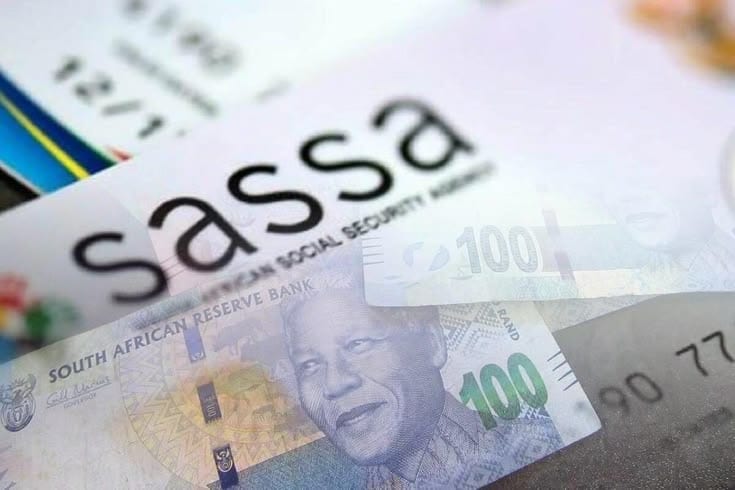
More ways to get grant help
Online applications, WhatsApp support and free office Wi-Fi offer more ways to access grant services, while personal assistance remains available.

Sep 21, 2026
A chance paddle became a bigger ambition
The Gauteng kayaker has represented South Africa overseas and is developing her coaching skills alongside her own sporting ambitions.
Sep 21, 2026
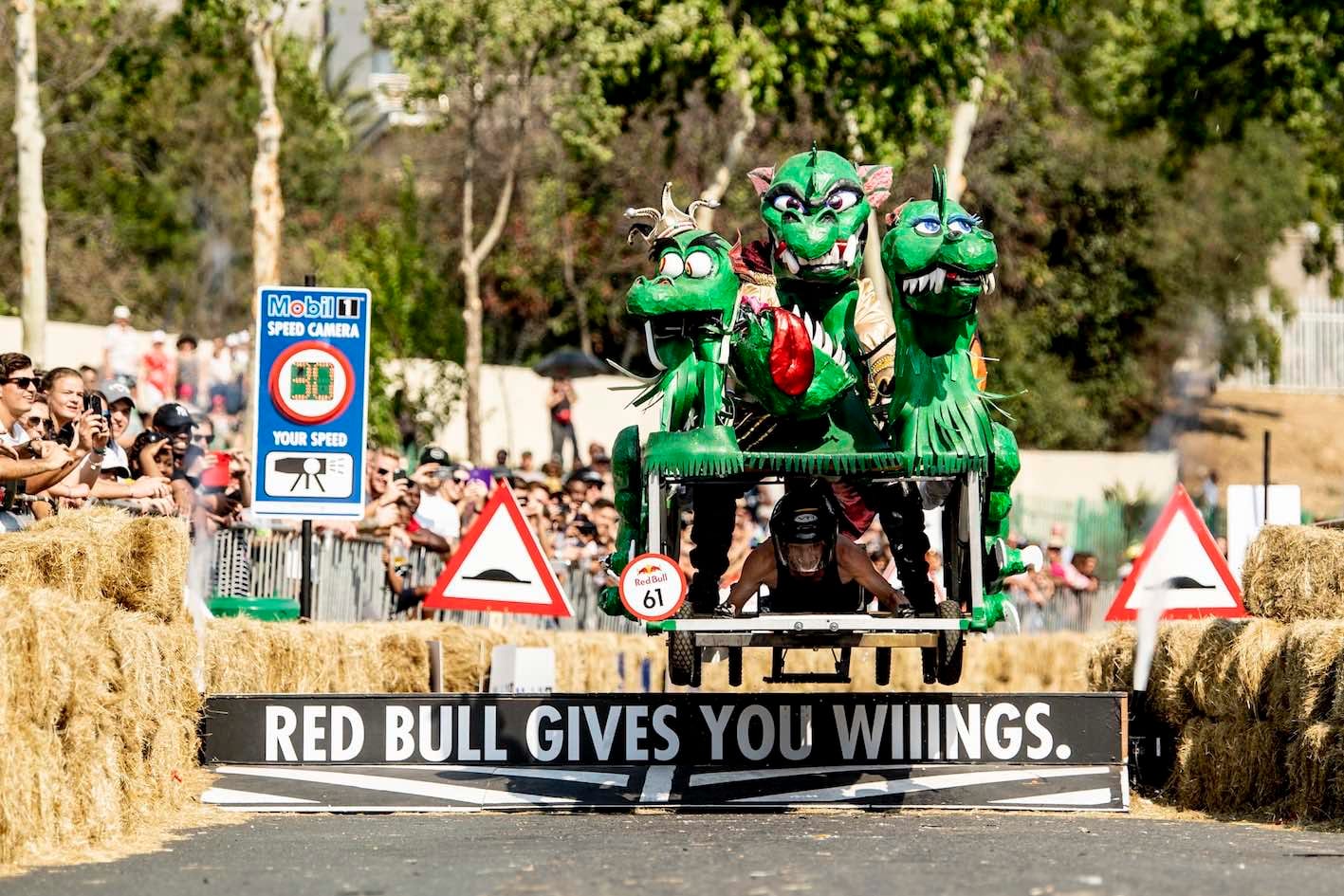
Homemade carts take over Sandton Drive
The wild unpowered go kart race returns to Sandton Drive on 20 September 2026. Teams can still apply to compete.
0 Comments
Join the conversation
Be the first to comment
Share your thoughts above.