
Joburg Zoo Elephants Could Move to Sanctuary After High Court Hearing |
Three African elephants face relocation as advocates argue for improved welfare |
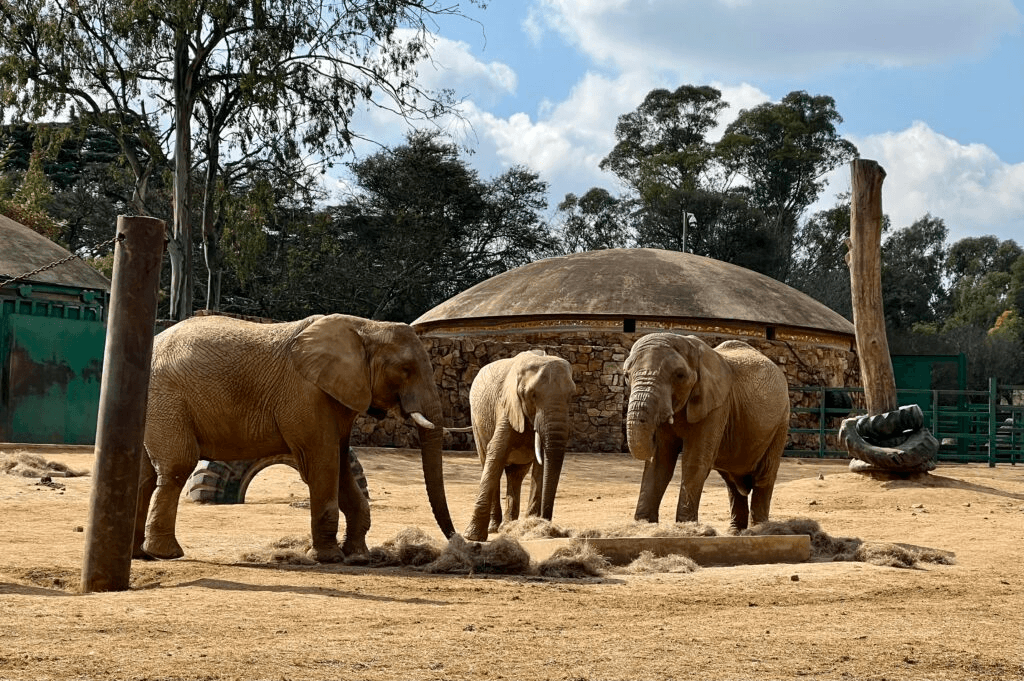
For many of us, a trip to the Johannesburg Zoo is a childhood memory, a place where we first saw the scale and majesty of an elephant up close. But this month, the conversation around three specific elephants, Lammie, Ramadiba, and Mopane, is moving from the enclosure to the Gauteng High Court.
From the 19th to the 21st of May, a judge will decide a question that could change how we look at animal welfare in South Africa: Is a zoo enclosure ever enough for an elephant?
The Case for a New Home
Advocates from Animal Law Reform South Africa and the EMS Foundation aren't just asking for a move; they’re asking for a total reset. Backed by years of expert reports, they argue that the Joburg Zoo simply cannot provide what an elephant needs: space to roam, varied shade, and the freedom to behave like a wild animal.
Specialists have noted that Lammie and Ramadiba show signs of "repetitive behaviour", the kind of low-energy patterns that often suggest an animal is under-stimulated or stressed. In the wild, elephants walk kilometres every day in complex social groups. In captivity, their world is measured in metres.
The Zoo’s Perspective
The Johannesburg Zoo stands by its care. They argue that relocation might actually be more traumatic than staying, especially for Lammie, who has called the zoo home for decades. They’ve even suggested the legal battle is more about "ideology" than what’s best for these specific animals.
The Duma Precedent
We’ve seen this play out before. In 2024, an elephant named Duma (formerly Charlie) was moved from the Pretoria Zoo to a sanctuary in Limpopo after forty years in captivity. Since his move, he’s been seen doing things he never could in a cage: foraging, swimming, and walking long distances. His transformation is the "Proof of Concept" that activists hope will sway the court this month.
More Than Just a Legal Ruling
This case is about more than just three elephants. It’s a test of how our laws view animals. Chief Stephen Fritz has even brought a cultural lens to the case, reminding us of the Khoi values that emphasize a deep, respectful relationship between humans and the natural world.
At a Glance:
The Bottom Line
Whether you believe the zoo provides a haven or a restrictive cage, the outcome of this hearing will matter. It forces us to ask: what is the "acceptable" limit for a creature whose natural life is designed for the open horizon?
Lammie, Ramadiba, and Mopane are waiting in their enclosure today, unaware that their world might be about to get much, much bigger. |
More from Joburg Insider
Sep 22, 2026
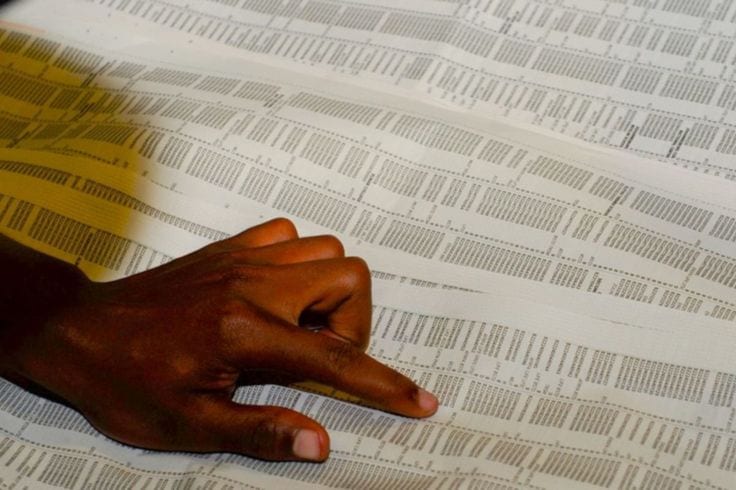
Privacy and access meet in the matric-results appeal
The Supreme Court of Appeal will hear a challenge over publishing results by examination number, with learners’ privacy and public access at the centre of the dispute.

Sep 22, 2026
More ways to get grant help
Online applications, WhatsApp support and free office Wi-Fi offer more ways to access grant services, while personal assistance remains available.

Sep 21, 2026
A chance paddle became a bigger ambition
The Gauteng kayaker has represented South Africa overseas and is developing her coaching skills alongside her own sporting ambitions.
Sep 21, 2026
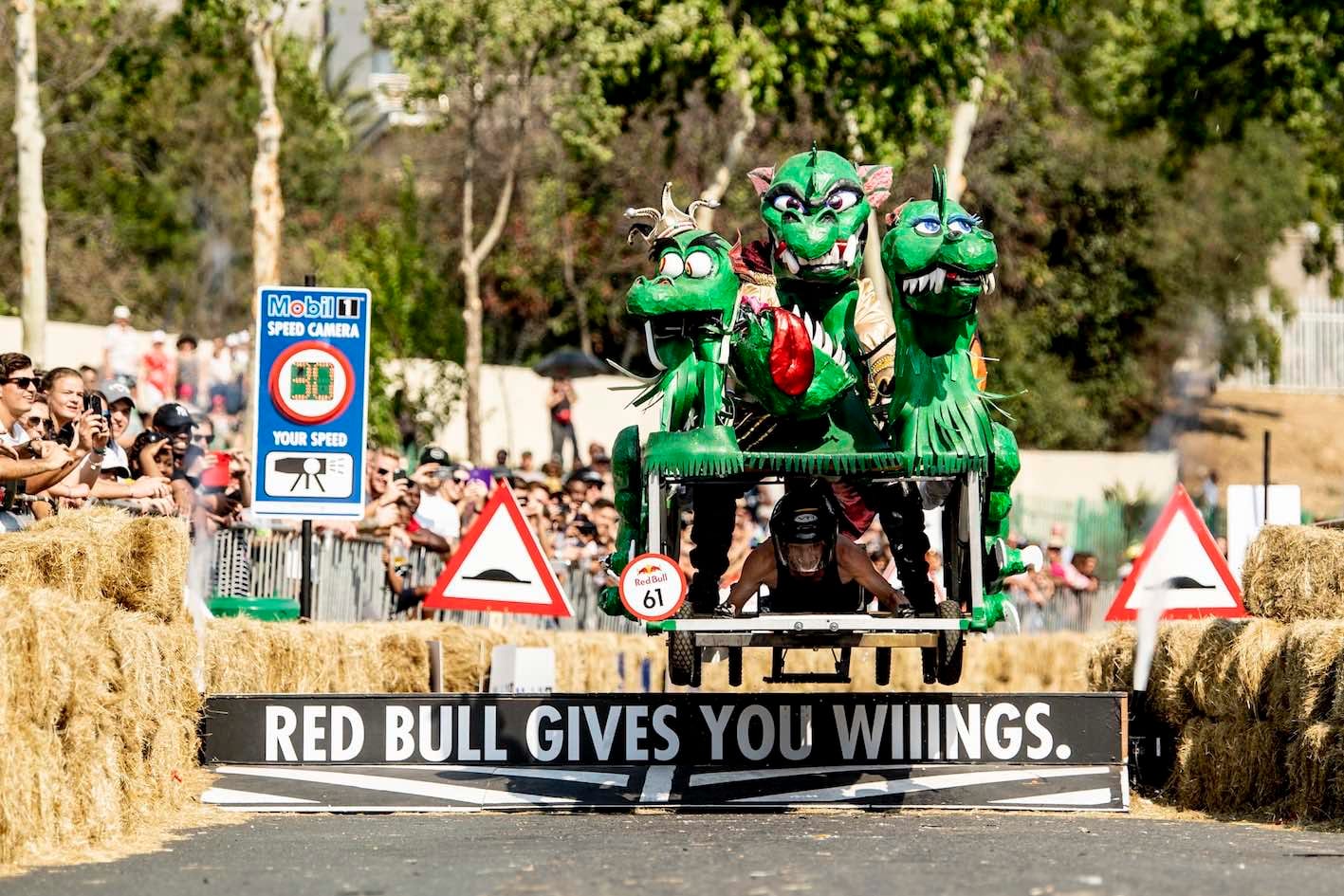
Homemade carts take over Sandton Drive
The wild unpowered go kart race returns to Sandton Drive on 20 September 2026. Teams can still apply to compete.
0 Comments
Join the conversation
Be the first to comment
Share your thoughts above.