
The Human Rights Commission Is Now Investigating Gauteng's Water Crisis |
The SAHRC has launched a formal inquiry after a wave of complaints from residents dealing with prolonged water outages across the province |
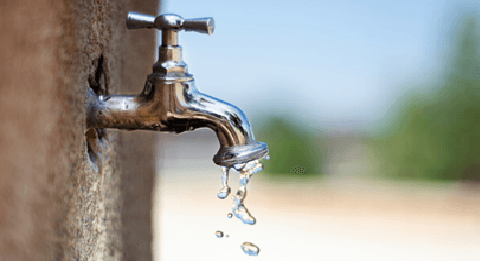
The Human Rights Commission Is Now Investigating Gauteng's Water CrisisFor many people across Gauteng, turning on the tap has become a gamble. Now the country's top human rights watchdog is stepping in. The South African Human Rights Commission has officially launched an investigative inquiry into the province's ongoing water shortages. The decision follows a growing wave of complaints from residents dealing with prolonged and widespread outages. The SAHRC says the scale and persistence of the disruptions raise the possibility of a systemic violation of basic human rights. Water access in South Africa is a constitutional right tied to dignity, health, and equality. Who Is Feeling It the MostWhile outages have affected suburbs across Gauteng, the burden is not shared equally. Communities already on the margins are taking the hardest hit. Informal settlements, schools, and clinics are among the most affected. In many parts of Johannesburg, families are being forced to queue for water or rely on outside sources just to get through the day. For clinics and schools, the consequences go beyond inconvenience. They affect public health and education. Why the System Is StrugglingAuthorities have pointed to a combination of long standing problems behind the crisis. Ageing infrastructure, years of under maintenance, and major leaks have all contributed to a system under pressure. Rapid population growth and high water usage have made things worse. The strain on entities like Joburg Water has become increasingly visible, with repair backlogs and supply interruptions now a regular part of daily life. The Rise of the Water Tanker EconomyOne of the most concerning developments is the growing dependence on water tankers. The SAHRC has warned that this reliance is opening the door to exploitation. So called tanker mafias are stepping into the gap, and residents desperate for access often have little choice but to pay unregulated private suppliers. This shift is quietly reshaping water from a guaranteed right into something that can be bought and sold, deepening inequality in the process. What the Inquiry Will Look AtThe SAHRC's investigation will take a wide view of the crisis. It plans to examine the root causes of the outages, assess whether human rights are being violated, and evaluate how government has responded so far. Infrastructure failures and the growing tanker economy will also come under scrutiny. The process will not happen behind closed doors. The public and key stakeholders have been invited to submit written input before the end of April. The inquiry itself is expected to run over three days next month. After that, the commission will compile findings and recommendations aimed at restoring reliable water access. A Turning Point for AccountabilityFor years, conversations around Gauteng's water problems have focused on technical failures and budget constraints. The SAHRC's involvement reframes the crisis as a question of rights and accountability. If the commission finds that the state has failed to uphold its obligations, it could put serious pressure on authorities to act faster. For residents who have grown used to dry taps and uncertain supply, this inquiry could be the most important development yet. |
More from Joburg Insider

Sep 22, 2026
Privacy and access meet in the matric-results appeal
The Supreme Court of Appeal will hear a challenge over publishing results by examination number, with learners’ privacy and public access at the centre of the dispute.
Sep 22, 2026
More ways to get grant help
Online applications, WhatsApp support and free office Wi-Fi offer more ways to access grant services, while personal assistance remains available.

Sep 21, 2026
A chance paddle became a bigger ambition
The Gauteng kayaker has represented South Africa overseas and is developing her coaching skills alongside her own sporting ambitions.

Sep 21, 2026
Homemade carts take over Sandton Drive
The wild unpowered go kart race returns to Sandton Drive on 20 September 2026. Teams can still apply to compete.
0 Comments
Join the conversation
Be the first to comment
Share your thoughts above.