
Your Smartphone Could Soon Become Your Digital ID |
South Africa is taking another step towards digital government, with plans to let citizens securely store and use official identity documents on their smartphones. |
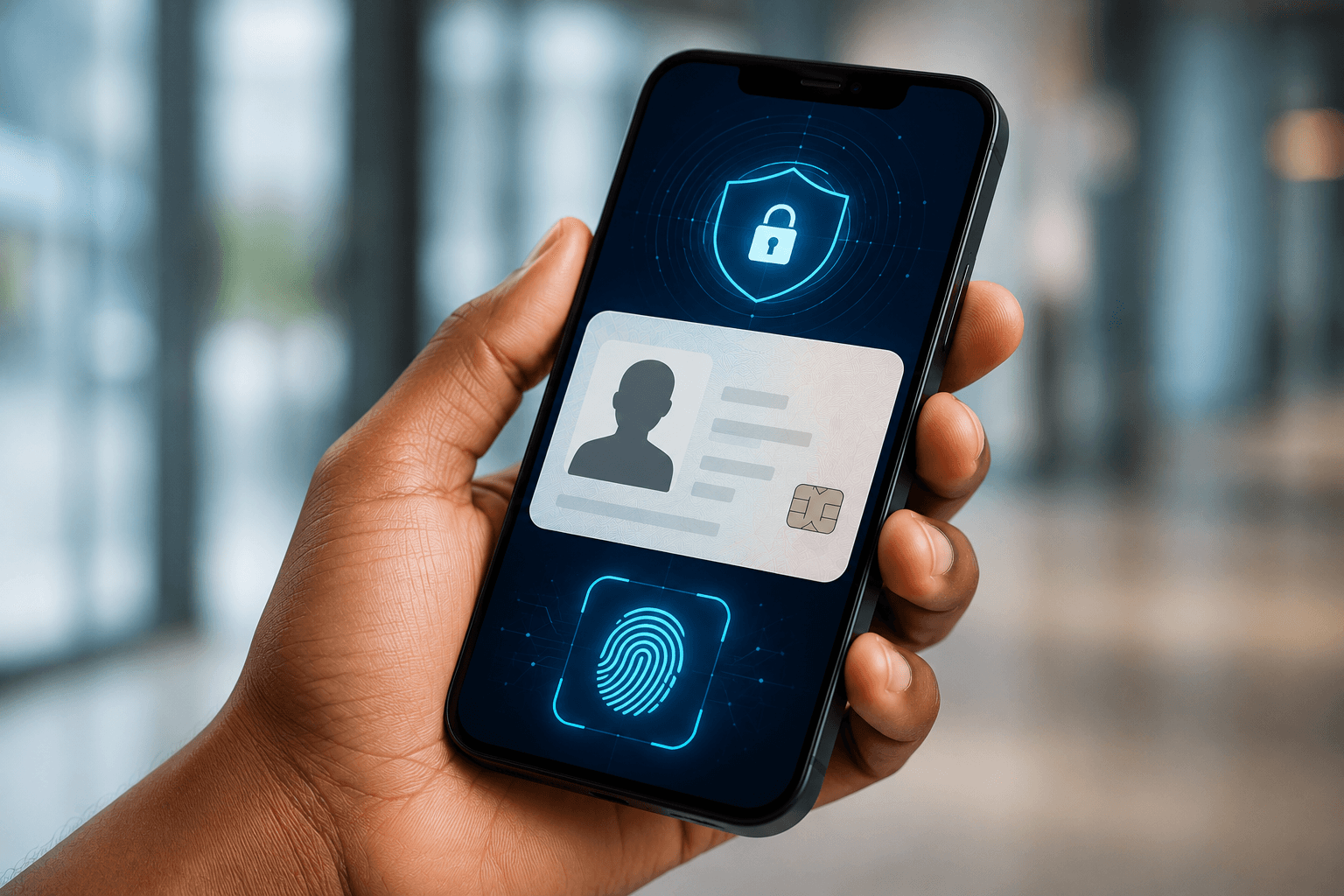
For years, proving your identity has meant reaching for your Smart ID card, passport or even the old green ID book. Whether you're opening a bank account, collecting official documents or applying for government services, carrying the right paperwork has simply been part of everyday life.
That could soon begin to change.
The Department of Home Affairs has taken a major step towards introducing a Digital Identity (Digital ID) system by publishing draft regulations that outline how South Africans could securely store and use verified digital versions of official Home Affairs documents on their smartphones. While the system is not available yet, the publication of these regulations marks an important milestone towards making it a reality.
What Is a Digital ID?
A Digital ID is a secure electronic version of your official Home Affairs identity documents.
Rather than relying solely on physical documents, eligible users will also be able to access secure digital versions of documents such as their Smart ID, birth certificate and marriage certificate directly from their smartphone. The system is expected to use biometric verification, such as fingerprint or facial recognition, to securely confirm a person's identity when accessing services.
Importantly, the Digital ID is designed to complement existing identity documents, not replace them.
Will Your Smart ID Still Work?
Yes.
Government has made it clear that physical Smart ID cards will remain valid while the Digital ID system is introduced in phases. The two systems will operate alongside one another as more digital services become available and citizens gradually adopt the new technology.
Why It Matters
If successfully implemented, the Digital ID could make many everyday tasks faster, simpler and more convenient.
Instead of visiting a Home Affairs office to verify your identity, many services could eventually be completed securely online. According to the Department of Home Affairs, the Digital Identity programme forms part of its broader digital transformation strategy to improve service delivery, reduce identity fraud and make government services easier to access.
The initiative also supports government's wider plans to expand Smart ID and passport services through participating bank branches while moving more public services online.
What Happens Next?
The Digital ID system is not live yet.
The Department of Home Affairs is finalising the legal and technical framework before launching the service. Once the regulations have been finalised, government will announce how South Africans can register, which documents will be available digitally and which public and private sector services will support the new system.
Just the Facts
The Bottom Line
South Africa's move towards a Digital ID is about far more than replacing a plastic card with a smartphone. It represents another step in modernising public services, improving security and making everyday transactions quicker and more convenient. While the technology won't arrive overnight, the latest developments show the country is steadily moving towards a future where proving your identity could be as simple as unlocking your phone. |
More from Joburg Insider
Sep 22, 2026
Privacy and access meet in the matric-results appeal
The Supreme Court of Appeal will hear a challenge over publishing results by examination number, with learners’ privacy and public access at the centre of the dispute.
Sep 22, 2026
More ways to get grant help
Online applications, WhatsApp support and free office Wi-Fi offer more ways to access grant services, while personal assistance remains available.

Sep 21, 2026
A chance paddle became a bigger ambition
The Gauteng kayaker has represented South Africa overseas and is developing her coaching skills alongside her own sporting ambitions.

Sep 21, 2026
Homemade carts take over Sandton Drive
The wild unpowered go kart race returns to Sandton Drive on 20 September 2026. Teams can still apply to compete.
0 Comments
Join the conversation
Be the first to comment
Share your thoughts above.